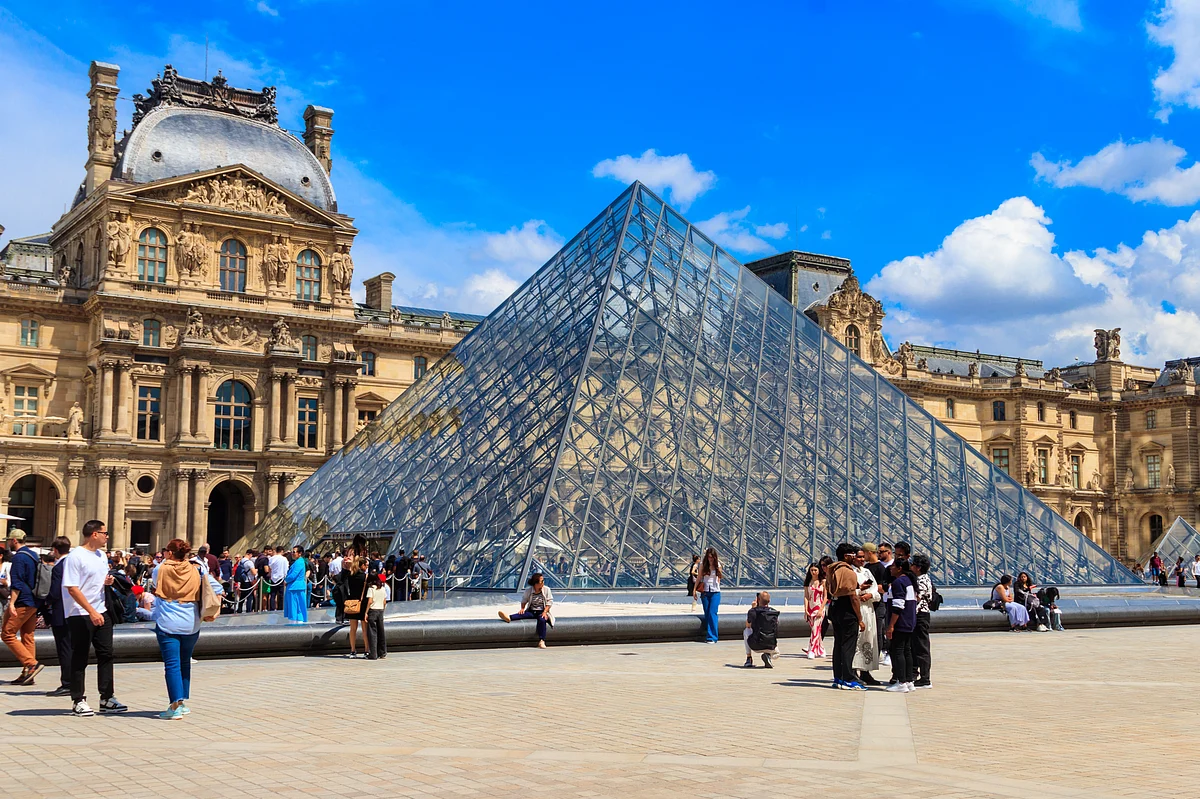
The Louvre Museum will increase ticket prices for non-EU visitors by 45 percent, from EUR 22 to EUR 32 (approximately INR 2,276- INR 3,310), starting January 14, 2026. This significant change, set to affect millions of international travellers, is intended to address financial challenges and marks a major shift for a museum where, in 2024, 69 percent of nearly 90 lakh visitors were foreigners. A visit to the Louvre, long considered a quintessential Parisian experience, whether viewing the Mona Lisa, wandering the galleries, or lingering in the Tuileries Gardens, will soon require higher outlays, stirring debate across France.
Louvre Museum Raises Ticket Prices
The Louvre’s board approved the new ticket prices on November 27. Travellers from India, the US, UK, China, and other non-EU countries will be affected. Meanwhile, citizens of Norway, Iceland, and Liechtenstein remain exempt due to their membership in the European Economic Area.
Observers note this change prompts questions about how the Louvre balances financial needs with its tradition of public accessibility. Since opening in 1793, the Louvre’s identity has centred on cultural openness, transforming from a royal palace into a museum for the people, a legacy that remains important today.
Today, the museum faces a new reality shaped by declining state funding, increased operational costs, and the demands of maintaining a historic site visited by millions each year.
Why The Louvre’s Major Renovation Has Sparked Concerns
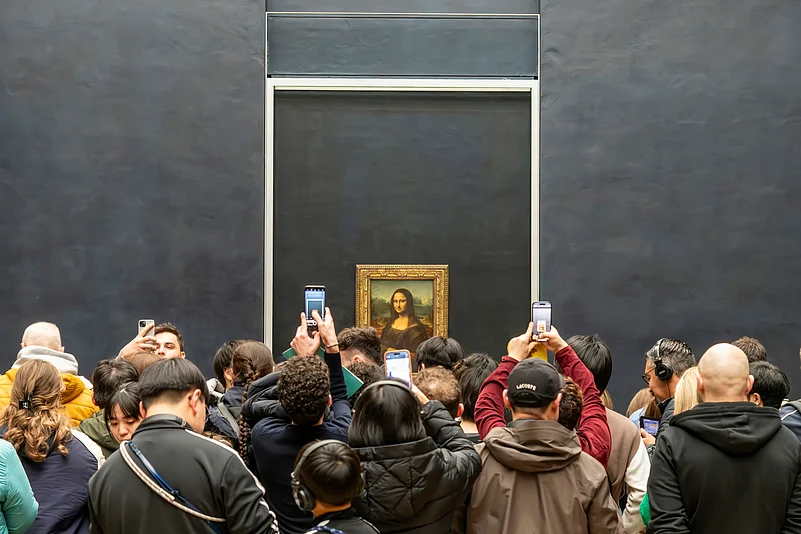

At the heart of the ticket hike is the museum’s most ambitious transformation in decades: the “Louvre New Renaissance” plan. Estimated to cost between EUR 800 million and EUR 1.1 billion, the project aims to modernise outdated infrastructure, alleviate chronic overcrowding, and create a dedicated home for the Mona Lisa by 2031.
Around EUR 450 million is slated for essential repairs, addressing issues that have become impossible to ignore. The urgency was underscored by the bold October 19 robbery, when thieves disguised as construction workers broke into the Galerie d’Apollon and escaped with the crown jewels in minutes. The heist, shocking even by Paris standards, exposed serious security vulnerabilities and triggered a sweep of emergency measures.
The most debated aspect of the new plan is a proposed entrance and underground complex surrounding the Mona Lisa, estimated to cost €666 million. The Louvre continues to seek private sponsors for this addition, and France’s state auditors have raised questions about its financial viability.
Rising Costs Across France's Cultural Icons
The Louvre isn’t the only institution tightening its belt. Culture Minister Rachida Dati has encouraged several national museums and monuments to adopt similar policies for non-EU visitors. The Château de Chambord will increase ticket prices from EUR 19 to EUR 29 (approximately INR 2000-3000), while the Palace of Versailles plans to introduce seasonal pricing ranging from EUR 25 to EUR 35 (INR 2586- INR 3620).
Museum directors argue that foreign visitors often view these sites as once-in-a-lifetime destinations and may not be deterred by a EUR 10 (approximately INR 1,034) price hike. At Chambord, non-EU guests account for only 10 percent of visitors, but their fees are vital for urgent restoration projects, such as saving a 16th-century royal wing from collapse.
A Global Trend Of Charging More From Foreign Tourists
France’s move follows a global shift. In the US, national parks now charge an additional USD 100 for international visitors at major sites, such as Yellowstone. In Africa, non-residents typically pay four to five times more in game reserves, funding conservation and local development. The UK, though it offers free entry to permanent collections, has started to impose higher fees for special exhibitions and ‘tourist taxes.’
France’s new strategy, then, is less an anomaly and more a reflection of how countries are adapting to shrinking cultural budgets.
What This Means For Travellers In 2026
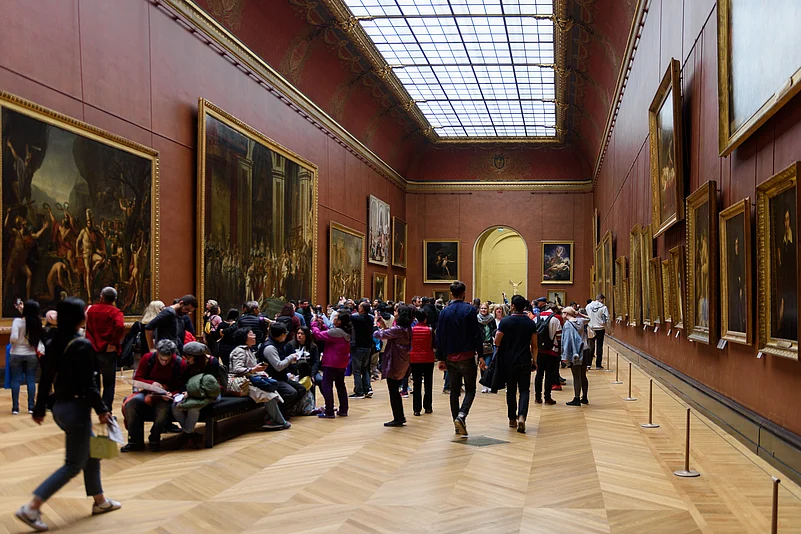
With major visitor groups arriving from the US, China, and the UK, the new pricing structure will be felt by millions next year. Indian travellers, who continue to form a growing segment of Paris-bound tourists, will also need to factor in the increased cost. For many Indian families, students, and first-time visitors planning a long-awaited trip to Europe, this could mean adjusting budgets slightly or prioritising specific museums during their Paris itinerary. Spring and summer, which already see a surge in Indian tourists, are likely to feel the impact most.
Despite the increase, the Louvre remains unmatched as a cultural experience. Its collections, including the Venus de Milo and Egyptian antiquities, still offer value beyond ticket price. For Indian travellers, many of whom consider the Louvre a must-see on a European holiday, its appeal is likely to endure.
And if the upcoming overhaul delivers on its promise, the Louvre could soon offer a smoother, more secure, and more immersive visitor experience.
For now, the Louvre stands at a crossroads. It must strike a balance between financial constraints and its cultural mission, preserving centuries-old art while preparing for the future.
FAQs
1. Why is the Louvre increasing ticket prices for non-EU visitors?
The hike is meant to help fund the Louvre’s massive €800 million–€1.1 billion renovation project, upgrade security, and cover rising operational costs.
2. When will the new Louvre ticket prices come into effect?
The revised prices will be implemented from January 14, 2026, for all non-EU travellers.
3. How much will non-EU visitors pay for Louvre tickets?
The entry fee will increase from €22 to €32, a 45% hike affecting travellers from India, the US, UK, China and more.
4. Are EU citizens exempt from the new Louvre price hike?
Yes. EU visitors, and those from Norway, Iceland, and Liechtenstein under the EEA agreement, will continue to pay the standard rate.
5. Will the Louvre experience change after the renovation?
Yes. The overhaul includes a redesigned entrance, improved crowd management, major security upgrades, and a dedicated Mona Lisa gallery by 2031.