Assam witnessed a defining moment in its modern growth story this weekend, as Prime Minister Narendra Modi laid the foundation stone for the Kaziranga Elevated Corridor in Kaliabor. The ambitious highway project promises to change the way the state moves, trades and thinks about conservation—proving that infrastructure and ecology no longer have to sit at opposite ends of the table.
Wildlife Meets Infrastructure
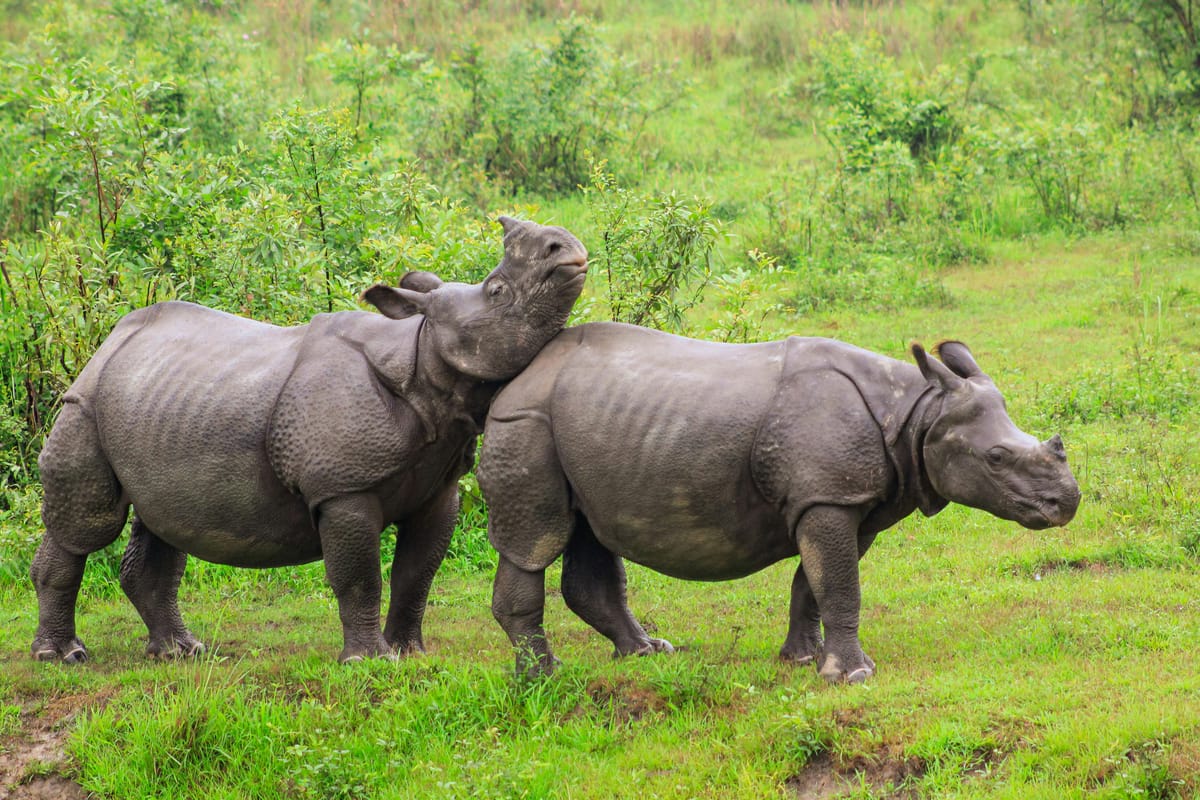
At the heart of the plan is a 35-km elevated corridor that will slice through the Kaziranga landscape without disturbing what makes it precious—its wildlife. Instead of speeding traffic clashing with migrating rhinos, elephants, deer and other animals during seasonal floods, the new design will allow them to move freely under the highway, reducing roadkill and human–animal conflict. Scientific rigour underpins the build: the project follows Supreme Court directives and the Wildlife Institute of India’s recommendations, making it one of India’s most carefully engineered conservation-minded roadways.
This stretch isn’t just about elegance in policy. For decades, Kaziranga’s animals have been forced to flee towards the safety of the Karbi Anglong hills during monsoons, crossing a ground-level highway that hasn’t always forgiven them. The elevated design aims to fix that, while improving safety for drivers who’ve long navigated unpredictable wildlife crossings through Nagaon, Karbi Anglong and Golaghat districts.
Assam On The Move
Layered into the conservation focus is a major connectivity upgrade. Alongside the corridor, the Kaliabor–Numaligarh section of NH-715 is being expanded to four lanes, bringing with it faster commutes, easier logistics and a long-awaited infrastructural fillip to Upper Assam. Once complete, travel time between Guwahati and Upper Assam is expected to drop by at least an hour—welcome news for traders heading to the state’s tea hubs, for patients shuttling for medical care, and for tourists moving along one of India’s most compelling cultural and ecological belts.
The corridor represents the investment of about INR 6,957-crore and is slated for completion within 36 months. The ripple effects are expected to be wide: better mobility for goods, more predictable highway journeys, and fresh momentum for eco-tourism. Local employment is also in the picture, with the project and its secondary developments projected to generate substantial direct and indirect jobs across districts.
Railways Get Rolling
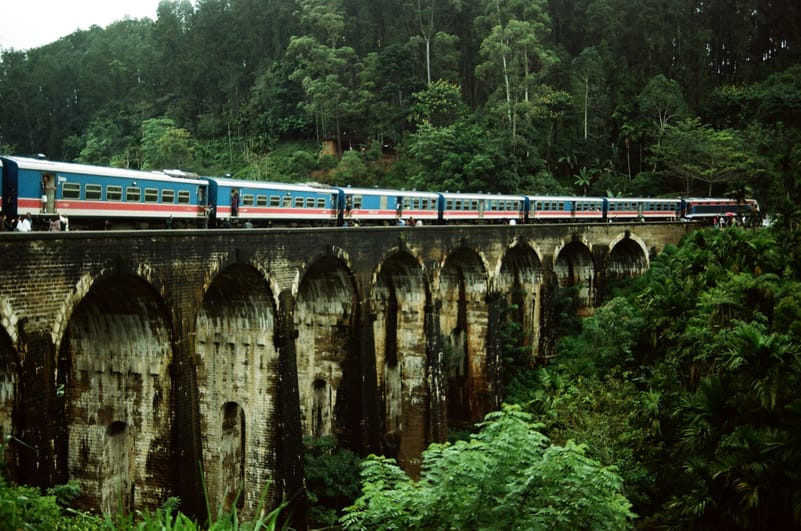

Assam’s weekend wasn’t just about roads. The Prime Minister also flagged off two Amrit Bharat Express trains, one linking Dibrugarh to Lucknow (Gomti Nagar), the other connecting Guwahati (Kamakhya) to Rohtak. Covering nearly 2,000 km each, these services are set to tighten rail connectivity between the North-East and the Hindi heartland, easing passenger movement for students, traders and daily travellers. This comes close on the heels of the first Vande Bharat sleeper train between Guwahati and Kolkata, marking three major rail services in just two days, an unusual burst of mobility upgrades even for a state used to quick political footwork.
These rail links are not just about convenience. They signal a deeper strategy to integrate Assam into national and global circuits, which includes large-scale industrial pushes, semiconductor and bio-refinery investments, airport infrastructure upgrades, bridges over the Brahmaputra, healthcare expansion and cultural recognition projects such as the UNESCO World Heritage tag for Charaideo and classical language status for Assamese.
All this was unveiled in a setting steeped in Assamese folklore and pride, Kaliabor, a landscape tied to legends of Krishna and Rukmini and historically viewed as a gateway to Kaziranga. The ceremony also followed a record-setting Bagurumba performance by over 10,000 Bodo dancers at Guwahati’s Sarusajai Stadium, a reminder that cultural heritage is more than a line item, it’s a calling card.
Assam, once shorthand for “remote” in Delhi’s political vocabulary, is now being rewritten as a frontier of development. The Kaziranga Elevated Corridor, with its blend of ecological stewardship and infrastructural ambition, hints at a future where the roar of an express train and the quiet rustle of an elephant herd can coexist—each moving freely along their path.
FAQs
1. What is the Kaziranga Elevated Corridor?
A 35-km elevated highway stretch through the Kaziranga landscape designed to let wildlife pass beneath safely while improving road travel across Upper Assam.
2. Why is this project needed?
It reduces human–animal conflict and vehicle collisions, especially during floods when animals move towards Karbi Anglong, while easing regional transport.
3. How much will the project cost?
The combined elevated corridor and NH-715 four-laning package carries an estimated investment of around INR 6,957 crore.
4. What are the key benefits for people?
The travelling time between Upper Assam and Guwahati is expected to go down at least by an hour, along with boosting trade, tourism, connectivity and emergency access.
5. When will it be completed?
The project is targeted to be completed within 36 months from its foundation, with respect to execution timelines and environmental clearances.