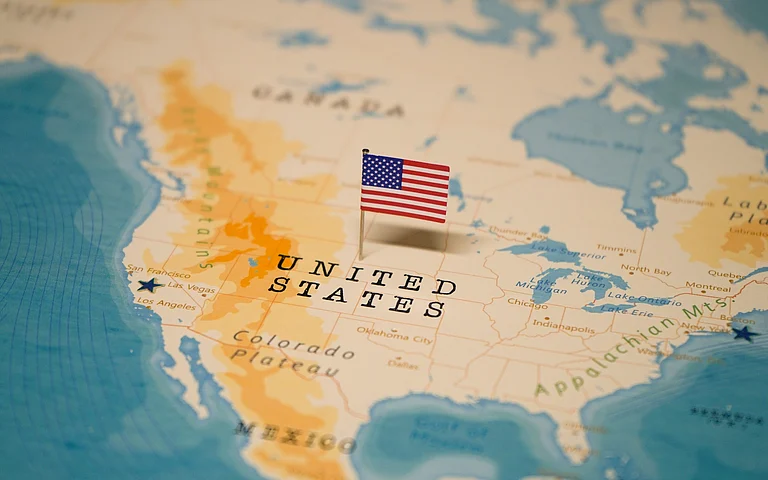


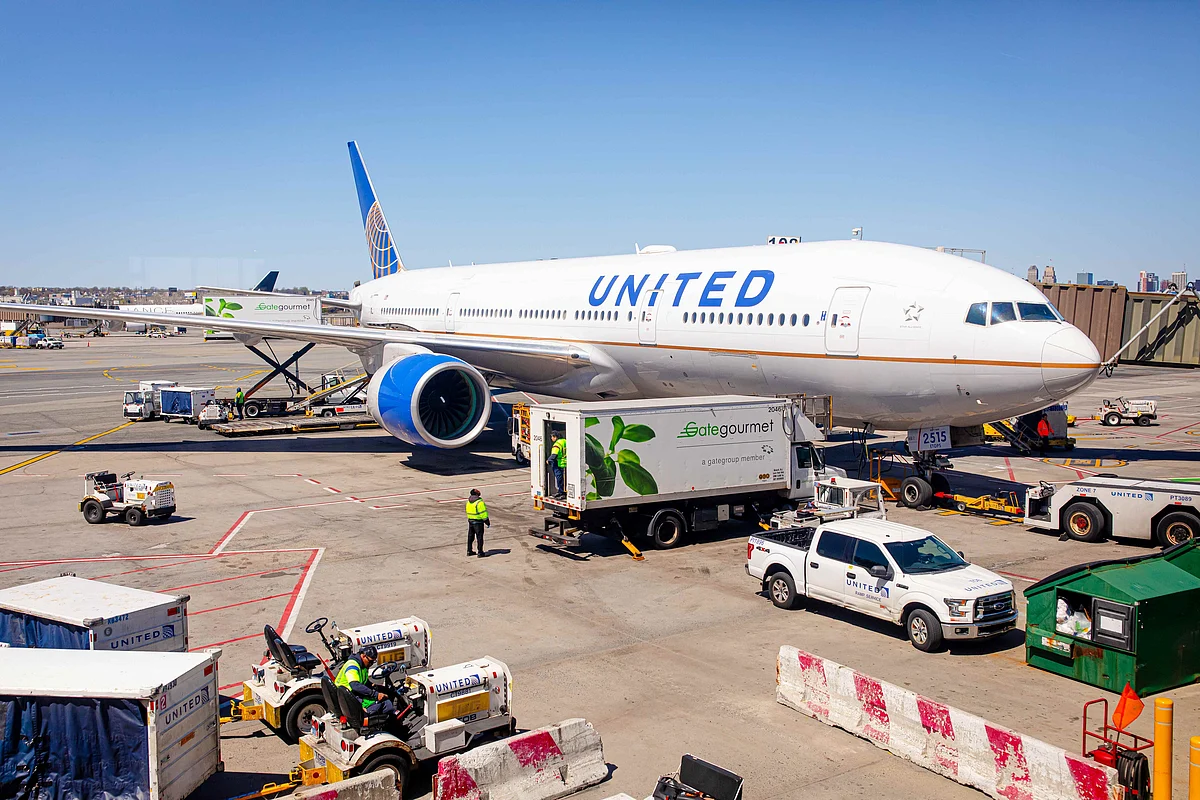
Flights across the United States are gradually returning to the skies after the Federal Aviation Administration (FAA) lifted a nationwide ground stop on November 13, following a major telecommunications outage that disrupted air traffic control operations. However, the end of the grounding has not brought an immediate return to normalcy, with thousands of passengers facing cancellations, delays and disrupted travel plans through the weekend.
The ground stop, imposed on Friday afternoon (US time) over what the FAA described as extraordinary circumstances and safety concerns, halted departures across the country for more than four hours. The restriction was lifted at approximately 8:15 pm Eastern Time, allowing airlines to resume services. Transportation Secretary Sean Duffy cautioned that restoring normal operations would take time, as airlines worked to reposition aircraft and crew members displaced by the disruption.
The disruption affected domestic and international air travel, with more than 1.5 million passengers estimated to have been impacted. Reported flight-tracking data showed more than 4,700 cancellations and around 10,000 delays on Friday, while further cancellations had already been recorded for Saturday. At least 827 flights were also diverted during the disruption, according to aviation analytics firm Cirium.
What Triggered The Ground Stop?
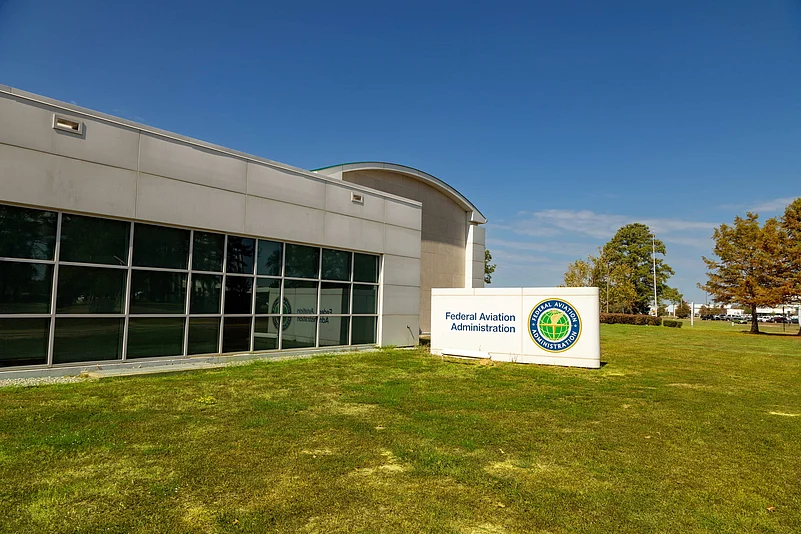

The disruption originated from a telecommunications failure affecting the FAA's 22 regional air route traffic control centres, which manage aircraft travelling between airports. The problem began at approximately 3:36 pm Eastern Time when switches and routers became overloaded with data, resulting in inconsistencies in radar and communications systems.
Although the systems did not experience a complete loss of radar or communication capabilities, the instability prompted authorities to halt departures as a precaution. Aircraft that were already airborne were permitted to continue to their destinations and land safely. International departures were assessed on a case-by-case basis, with some flights allowed to operate during the restrictions.
Homeland Security Secretary Markwayne Mullin said there was no evidence at the time that the incident was caused by a cyberattack or a rogue artificial intelligence system. Investigations into the failure were underway, with the National Security Agency working alongside the Department of Homeland Security. Officials also pointed to the challenges posed by ageing aviation infrastructure and the integration of newer technology with older systems.
International Travel Also Affected
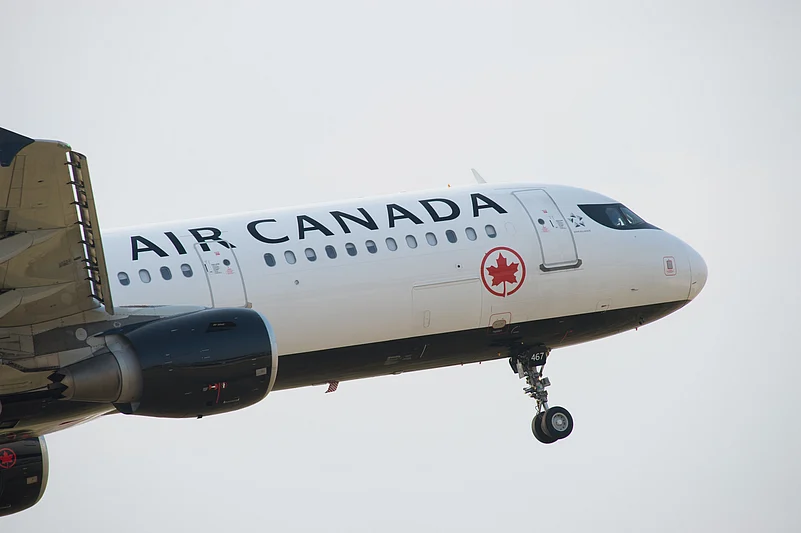
The disruption extended beyond US domestic routes. Air Canada cancelled its remaining US-bound flights for Friday and warned that services connecting Canada with the Caribbean and South America could also be affected if they relied on US airspace. Mexico's aviation authorities also suspended scheduled departures to the United States during the grounding.
In Europe, Eurocontrol suspended US-bound departures from its member states at the FAA's request for a specified period. Cargo operations were also affected, with major operators monitoring the situation and preparing contingency arrangements.
What Travellers Should Know
With flights gradually returning to service, passengers travelling to, from or through the United States over the coming days should account for possible changes to their itineraries. Airlines including Delta Air Lines, United Airlines and JetBlue issued updates on resuming operations, while warning that delays and cancellations could continue as aircraft and crew schedules were restored.
Travellers should check their flight status directly through their airline's website or mobile application before leaving for the airport, keep an eye on departure gate and timing changes, and contact their carrier if they need to rebook. Those with connecting flights should also allow for the possibility of missed connections and revised itineraries.
The incident has renewed attention on the vulnerability of the US air traffic control network. Duffy called for substantial investment in modernising the country's ageing aviation infrastructure, arguing that outdated equipment needs to be replaced to prevent similar disruptions. While the immediate technical problem has been resolved and flights have been cleared to operate, the recovery of airline schedules is expected to take longer. For travellers, the lifting of the ground stop is therefore only the first step towards getting journeys back on track.
FAQs
1. Why did the FAA impose a nationwide ground stop in the US?
The FAA imposed the ground stop after a telecommunications failure affected air traffic control systems, raising safety concerns and disrupting operations.
2. When did the FAA lift the nationwide ground stop?
The FAA lifted the restriction at approximately 8:15 pm Eastern Time on November 13, 2026, allowing airlines to resume departures.
3. Are US flights operating normally after the ground stop?
No. Although flights have been cleared to resume, passengers continue to face delays and cancellations as airlines work to restore aircraft and crew schedules.
4. Which flights and routes were affected by the FAA ground stop?
The disruption affected domestic and international flights to and from the US, including services operated by major airlines. Some international departures and connecting routes were also impacted.
5. What should travellers do if their US flight is delayed or cancelled?
Travellers should check their flight status through their airline's official website or app, monitor airport announcements and contact their carrier for rebooking options.