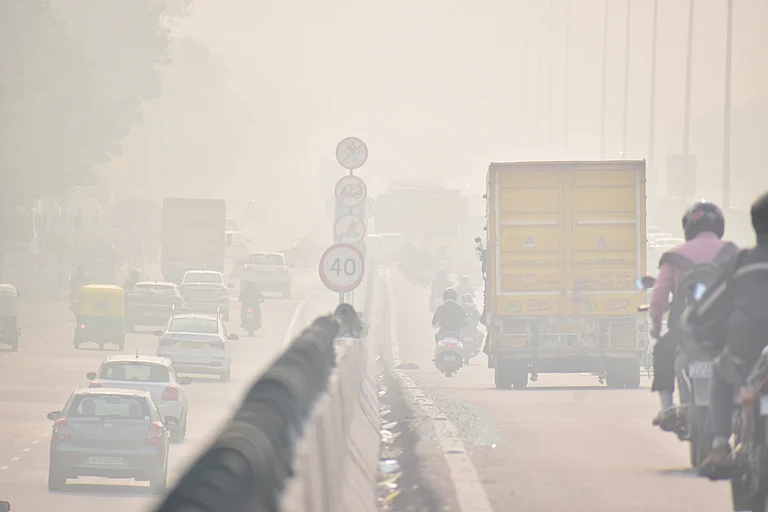


Delhi’s winter air has a way of slipping past closed windows and into everyday life—into lungs, kitchens, and long-standing habits. As the city’s Air Quality Index edges alarmingly close to 400, even the most familiar fixtures of its food culture are being pulled into the pollution debate. This time, it’s the tandoor.
In its latest attempt to curb emissions, the Delhi Pollution Control Committee (DPCC) has ordered a complete ban on coal and firewood-fired tandoors across hotels, restaurants, and open eateries. Issued under Section 31(A) of the Air (Prevention and Control of Pollution) Act, 1981, the directive mandates that all commercial kitchens shift exclusively to electric, gas-based, or other approved clean-fuel cooking systems with immediate effect.
The order came against the backdrop of a city under Stage IV of the Graded Response Action Plan (GRAP). Triggered when air quality slips into the “severe+” category, GRAP IV prohibits the open burning of biomass, waste, coal, or similar materials—bringing traditional tandoors squarely into regulatory focus.
At monitoring stations such as Anand Vihar and ITO, AQI levels hovered around 400 earlier this week. A brief shift in wind direction offered temporary relief, pushing the city’s average AQI into the "very poor" range. But authorities have warned that the seasonal pattern of low wind speed and trapped pollutants is far from over.
Health Over Heat


From a medical standpoint, the case for restricting solid-fuel cooking is difficult to ignore. Coal- and wood-fired tandoors release fine particulate matter and toxic gases that add to Delhi’s already heavy pollution burden, especially in densely populated neighbourhoods.
“Anything additional in an environment where the AQI is already very poor will always have an extra impact,” says Dr Rajesh Chawla, Senior Consultant, Respiratory and Critical Care Medicine, Apollo Hospitals, Delhi. “The problem is that the impact is often immediate—for the worker standing next to the tandoor and for people living nearby.”
Dr Chawla points to a worrying trend he has observed in recent years: a rise in chronic obstructive pulmonary disease (COPD) among non-smokers. “Earlier, COPD was largely seen in smokers. Now we are seeing many non-smokers developing it, and air pollution is a major risk factor,” he explains. Cooking smoke, he adds, functions much like traditional chulha smoke—well-documented in medical literature as harmful to lung health.
However, he cautions against viewing the ban as a standalone fix. “This cannot be an isolated measure. Regulating cooking fuels has to be part of a much larger strategy,” he says, warning that without systemic action, Delhi could be headed towards what he describes as “an epidemic of respiratory diseases” in the coming decades.
Food, Fire, Memory
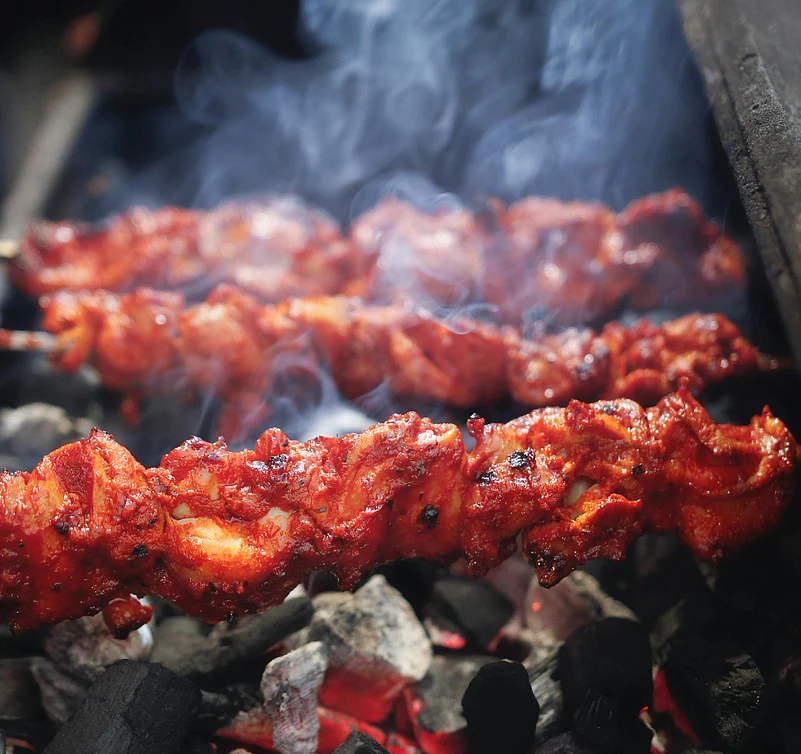
Yet beyond policy documents and health data lies a more complex question—what happens when environmental regulation collides with food culture and livelihoods?
Food historian Sadaf Hussain urges a broader understanding of what the tandoor represents. “When we talk about tandoors, we should also be talking about sigris and open grills,” he says. “These are not just cooking tools; they are cultural spaces.”
In winter, Hussain explains, coal-fired grills become gathering points—sources of warmth where families cook, eat, and spend time together. Historically, grilling over fire predates modern Delhi, stretching back through Mughal kitchens to pre-Partition food traditions. “Post-Partition, the use of mobile tandoors increased, but the idea of grilling over fire has existed forever,” he notes.
From a culinary perspective, the distinction is significant. Tandoors allow for high-heat, rapid cooking—perfect for rotis and tikkas—while sigris enable slower grilling. Both impart a smokiness that modern alternatives struggle to replicate. “Wood and coal give a different charring, a different texture. Gas can cook the food, but it can’t fully recreate that flavour,” Hussain says.
There is also an economic reality at play. Coal and wood remain far more accessible than electric or gas systems for small eateries and street-side vendors. For many, the cost of transition is not just financial but spatial, cramped kitchens simply cannot accommodate new equipment. A sudden ban, Hussain argues, disproportionately impacts those already operating at the margins, while barely denting the city’s overall pollution problem.
A Question Of Balance
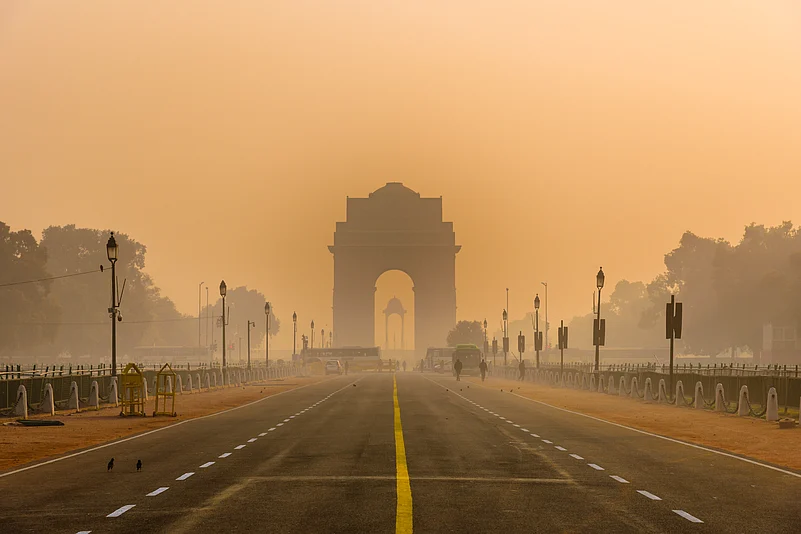
To be clear, this is not an argument against cleaner energy. Even Hussain agrees that the future of cooking—like transport and industry—must move away from coal and wood. Gas-enabled tandoors and electric systems are already in use across many high-end restaurants. The issue, he suggests, lies in the speed and scale of enforcement.
When policies arrive overnight, without phased timelines or support systems, they risk becoming symbolic gestures rather than sustainable solutions. Delhi’s air crisis is complex, shaped by vehicles, construction dust, industrial emissions, crop burning, and meteorology. Can regulating cooking fuels alone meaningfully improve air quality—or does it simply make for a visible, easy target?
As winter tightens its grip and the city oscillates between "very poor" and "severe," Delhi finds itself at a familiar crossroads. How much should tradition bend in the face of public health? And can environmental action afford to ignore those who bear its immediate costs?
The smoke may be thinning for now. The questions, however, are far from settled.
FAQs
1. What exactly has Delhi banned?
The Delhi Pollution Control Committee has banned the use of coal- and firewood-fired tandoors in all hotels, restaurants and open eateries across the city.
2. Why was the tandoor ban introduced now?
The ban comes as Delhi’s air quality slipped into the ‘severe’ category, triggering Stage IV of the Graded Response Action Plan (GRAP), which restricts all open burning of biomass and solid fuels.
3. What cooking methods are allowed under the new rules?
Eateries are required to switch to electric, gas-based or other approved clean-fuel cooking systems, as listed by the Commission for Air Quality Management (CAQM).
4. Can banning tandoors significantly improve Delhi’s air quality?
Health experts say reducing solid-fuel emissions helps at a local level, but stress that meaningful improvement requires broader action on vehicles, construction dust and industrial pollution.
5. How could the ban affect small eateries and street food vendors?
Smaller establishments may struggle with space, cost and access to alternative cooking systems, raising concerns about livelihoods and the survival of traditional cooking methods.