

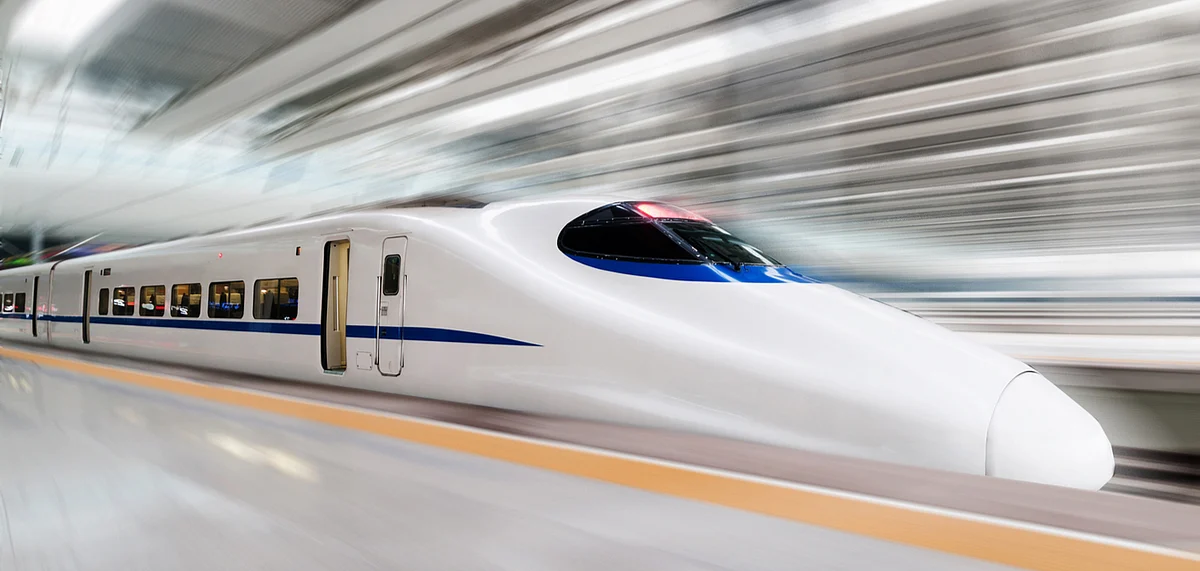
Delhi to Patna in a little over four hours could sound like a distant proposition, but India’s high-speed rail plans are beginning to point in that direction. Railway Minister Ashwini Vaishnaw has outlined a proposed bullet train corridor that could connect Delhi with some of the biggest cities across Uttar Pradesh and Bihar, bringing a significant change to how travellers move through the region.
The proposed route would link Delhi with Agra, Kanpur, Lucknow, Prayagraj, Varanasi and Patna. If the plan takes shape, the approximately 1,170-kilometre journey between Delhi and Patna could take around 4.5 hours. Delhi to Lucknow, meanwhile, could be covered in about 2 hours 12 minutes. For now, these are proposed travel times rather than train schedules, and there is no construction timeline or confirmed launch date for the corridor.
A Faster North India
The travel-time estimates shared by the Railway Minister suggest how transformative the proposed corridor could be. A journey from Delhi to Agra, covering around 200 kilometres, could take just 58 minutes. Delhi to Kanpur, approximately 455 kilometres away, could take around 1 hour 45 minutes, while the journey to Lucknow, around 495 kilometres, is estimated at 2 hours 12 minutes.
Further east, the proposed high-speed rail link could cover the approximately 750-kilometre distance between Delhi and Prayagraj in around three hours. Delhi to Varanasi, a journey of nearly 945 kilometres, could take about 3 hours 33 minutes. The longest proposed stretch, between Delhi and Patna, is estimated at approximately 4.5 hours for around 1,170 kilometres.
For travellers, the appeal extends beyond simply getting from one city to another faster. Agra, Prayagraj and Varanasi are among India's major tourism and pilgrimage destinations, while Kanpur, Lucknow and Patna are important commercial and cultural centres. A faster rail connection could make combining multiple cities into a single trip considerably more practical.
Festivals And Tourism
The timing of the proposal is also significant for a region where rail travel sees some of its heaviest demand around festivals. Diwali falls on November 8 this year, followed by Chhath Puja on November 15, when large numbers of people travel between Delhi, Uttar Pradesh and Bihar.
The proposed bullet train will not be an option for this year's festive journeys, but the potential reduction in travel time offers a glimpse of what future holiday travel could look like. A Delhi-Patna journey that currently takes roughly 12 hours by conventional rail could eventually become a trip of around four and a half hours if the project is realised.
The corridor could also give tourism in the region a boost. Faster connections between Delhi and destinations such as Agra, Prayagraj and Varanasi would make weekend trips and short breaks more accessible, while improved links with Patna could strengthen travel between the capital and eastern India. Business travel and economic activity could benefit from the same connectivity.
India’s Next Bullet Train
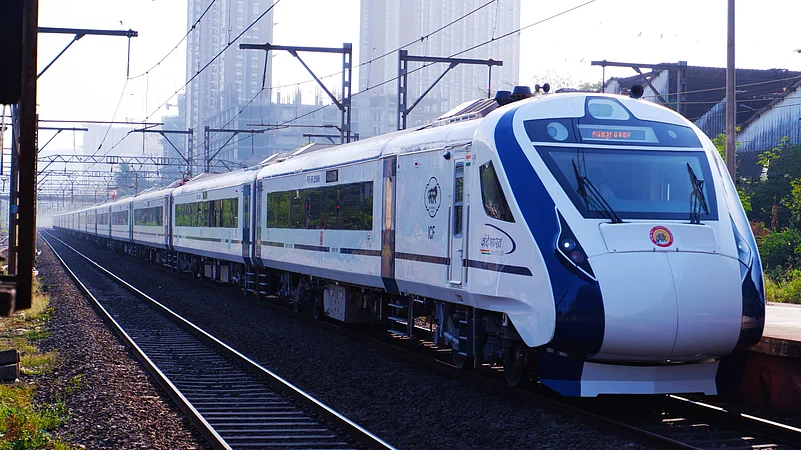

If it moves ahead, the Delhi-UP-Bihar corridor would represent the next major phase of India's high-speed rail expansion after the Mumbai-Ahmedabad High Speed Rail project. The Mumbai-Ahmedabad corridor, India's first dedicated bullet train project, spans around 508 kilometres and is designed for an operational speed of up to 320 kilometres per hour, with a design speed of 350 kilometres per hour. Its first service is expected to begin in August 2027, with the initial section planned between Surat and Vapi.
The proposed Delhi corridor is considerably more ambitious in geographical reach, extending across three states and connecting several major cities rather than linking two metropolitan centres. However, the project is still at the proposal stage. No formal construction timeline, funding allocation or confirmed completion date has been announced.
For now, the 4.5-hour Delhi-Patna journey remains a projection rather than a booking option. But if the corridor eventually becomes a reality, it could reshape long-distance travel across northern India, making some of the country's most visited cultural, religious and commercial centres far more accessible from the national capital.
FAQs
1. How long could the Delhi-Patna bullet train journey take?
The proposed Delhi-Patna journey could take around 4.5 hours.
2. Which cities could the proposed bullet train connect?
The corridor could connect Delhi, Agra, Kanpur, Lucknow, Prayagraj, Varanasi and Patna.
3. How long could Delhi to Lucknow take by bullet train?
The proposed travel time is around 2 hours 12 minutes.
4. Is the Delhi-Patna bullet train project approved?
The proposal does not yet have a confirmed construction timeline, funding allocation or launch date.
5. When will India’s first bullet train start operating?
The Mumbai-Ahmedabad High Speed Rail project is expected to begin its first service in August 2027, starting with the Surat-Vapi section.