Beyond crocodiles, Bhitarkanika remains a biodiversity hotspot, home to a wide variety of species, including migratory birds, reptiles, and other mangrove-dependent fauna.
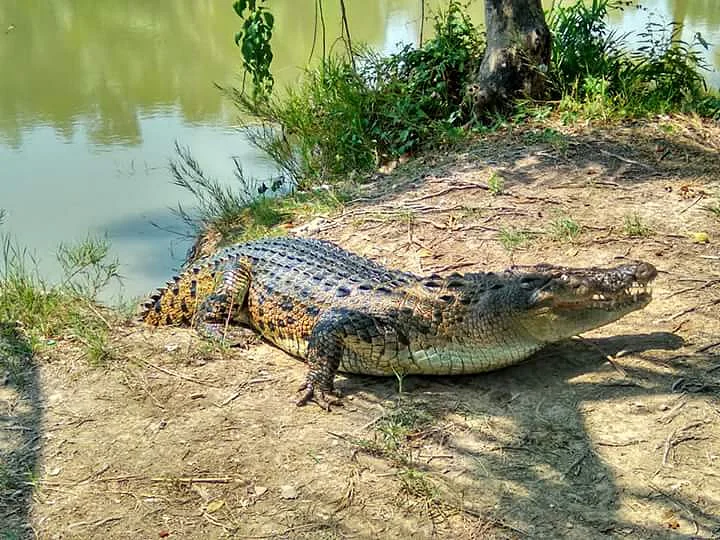
Bhitarkanika National Park has been closed to tourists for three months as the mating and nesting season of saltwater crocodiles begins, officials confirmed on Saturday. The annual closure, which came into effect on May 1, is aimed at protecting one of India’s most successful wildlife conservation stories during its most sensitive phase.
The park, located in Odisha’s Kendrapara district, will remain shut till July 31 to ensure that estuarine crocodiles can breed and nest without disturbance. Forest officials stress that human activity, especially tourism, can disrupt this delicate process.
Assistant Chief Conservator Manas Das explained that the sound of mechanised boats ferrying visitors often unsettles the reptiles. According to him, once disturbed during this critical period, crocodiles tend to become aggressive, which also increases the likelihood of attacks. He noted that most crocodile attacks are recorded during the nesting and breeding season.
He further pointed out that female crocodiles lay their eggs deep inside mangrove forests and guard them vigilantly until they hatch. Any interference during this time can impact breeding success and survival rates.
The park is scheduled to reopen on August 1, once the nesting phase stabilises and the immediate risks subside.
The Saltwater Crocodiles That Make Bhitarkanika Special
Bhitarkanika is widely regarded as India’s biggest success story in saltwater crocodile conservation. The population has risen dramatically from fewer than 100 individuals in 1974 to about 1,858 recorded in January this year.
These saltwater crocodiles are the largest living reptiles on Earth and a defining feature of the park’s ecosystem. Many individuals here grow to exceptional sizes, making the region globally significant for the species.
What also sets Odisha apart is its unique distinction of being the only state in India to host all three species of crocodiles: the saltwater crocodile, the mugger, and the gharial. This diversity adds to the ecological importance of the region and strengthens its conservation value.
The mangrove forests of Bhitarkanika provide an ideal habitat for breeding. The dense vegetation, tidal waterways, and relative isolation create perfect conditions for nesting and nurturing hatchlings.

What The Closure Means For Conservation And Tourism
The three-month shutdown reflects a conservation-first approach that prioritises wildlife over tourism. Protecting apex predators like saltwater crocodiles helps maintain ecological balance across the mangrove ecosystem.
While the closure may affect travel plans, it plays a crucial role in ensuring that future generations of crocodiles continue to thrive. By the time the park reopens in August, visitors can expect a more vibrant ecosystem, with hatchlings emerging and wildlife activity at its peak.
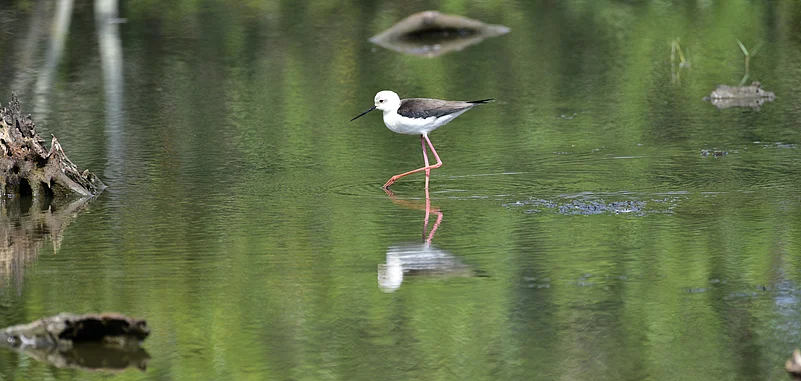
Beyond crocodiles, Bhitarkanika remains a biodiversity hotspot, home to a wide variety of species, including migratory birds, reptiles, and other mangrove-dependent fauna.
(With inputs from PTI and other sources)
FAQs
1. Why is Bhitarkanika National Park closed in 2026?
Bhitarkanika National Park is closed to protect saltwater crocodiles during their mating and nesting season.
2. What are the closure dates for Bhitarkanika National Park?
The park is closed from May 1 to July 31, 2026.
3. When will Bhitarkanika National Park reopen?
The park is scheduled to reopen on August 1, 2026.
4. Why is the nesting season important for crocodiles?
During this time, female crocodiles lay and guard eggs, and disturbance can reduce survival rates and increase aggression.
5. What makes Bhitarkanika famous?
It is one of India’s most important habitats for saltwater crocodiles and a major mangrove biodiversity hotspot.