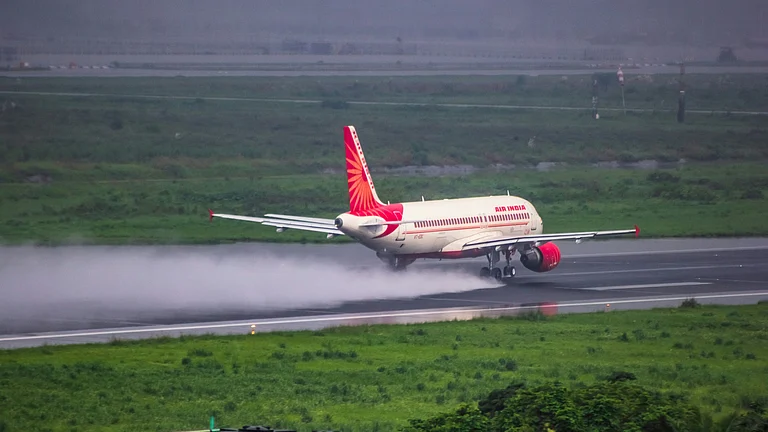


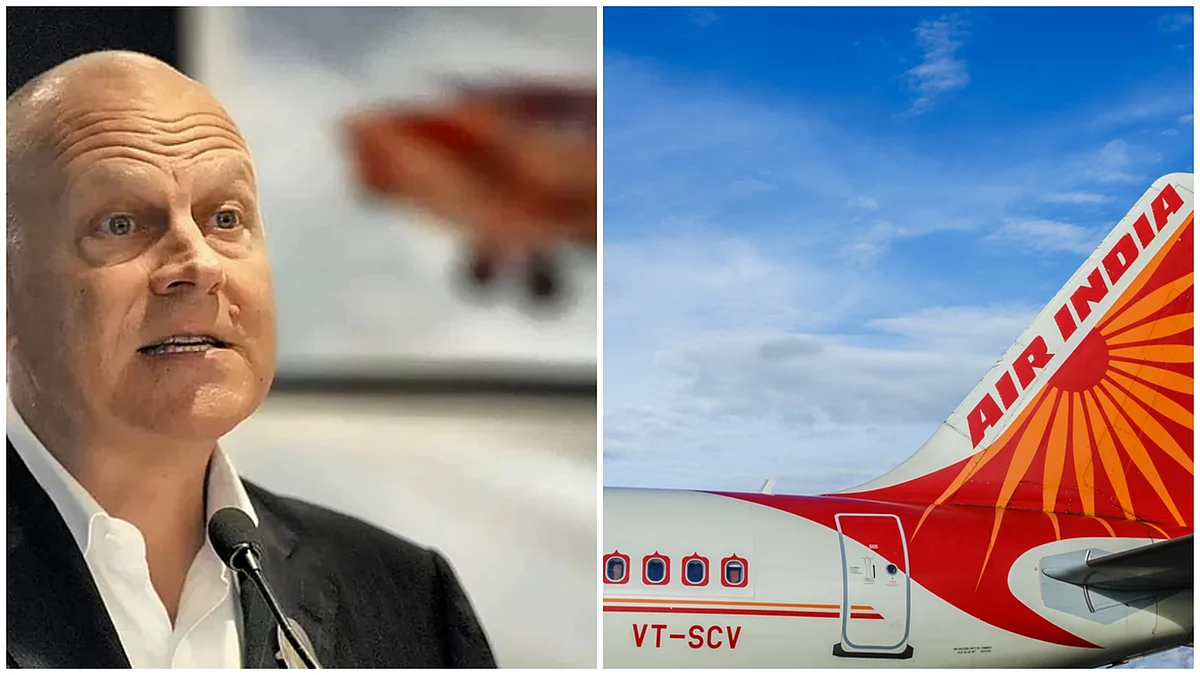
Campbell Wilson has stepped down as CEO of Air India, triggering a major leadership shake-up at the Tata-owned carrier. His exit comes at a time when the airline is facing mounting losses, regulatory pressure and operational turbulence.
Why Campbell Wilson Resigned From Air India
Wilson’s resignation follows months of pressure on the airline. Sources say the decision comes as Air India struggles with persistent financial losses and increasing scrutiny from regulators after a deadly crash in 2025 that killed 260 people.
The airline has also come under fire for safety concerns. Reports pointed to cases where aircraft flew without full certification, along with lapses in routine emergency checks.
At the same time, day-to-day operations have grown more difficult. Airspace curbs across parts of West Asia, rising fuel costs, and delays in aircraft deliveries have all thrown schedules off track and hurt the airline’s bottom line.
Since Tata Group took over the airline in 2022, Air India has yet to turn a profit. It reported losses of over USD 1 billion in the 2024–25 financial year, highlighting the scale of the turnaround challenge.
Wilson, a former Singapore Airlines executive who took charge in 2022, led early reforms such as fleet refurbishment and internal restructuring. Even so, the pace of change appears to have fallen short of expectations.
He will now serve a six-month notice period and remain in the role until a replacement is finalised.
Who Will Be The Next Air India CEO?
As of April 7, 2026, Air India has not named a successor. The Tata Group has already begun a global search and is in talks with senior airline executives in the United States and the United Kingdom.
This search began months before Wilson’s resignation became public, signalling that leadership change had been under consideration for some time.
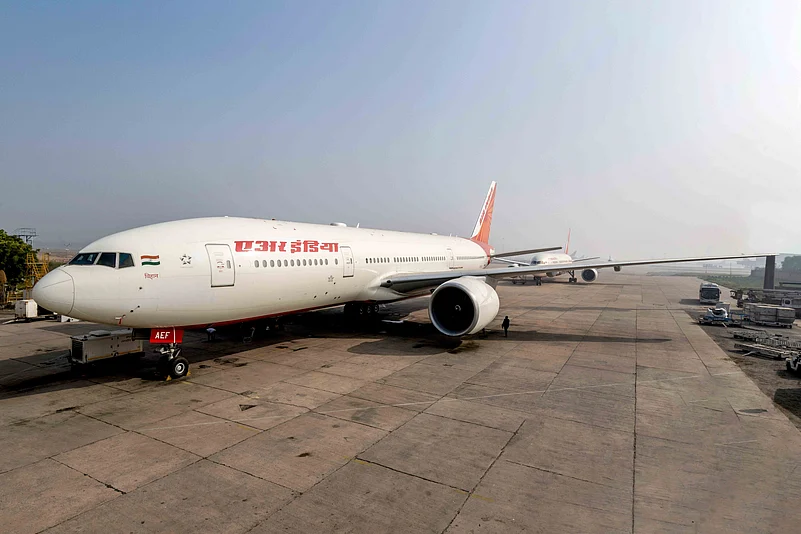

Industry analysts say finding the right candidate will be difficult. The new CEO will have to steer one of aviation’s most complex turnarounds while dealing with regulatory scrutiny, geopolitical disruptions and intense competition.
The pressure has intensified after rival IndiGo appointed aviation veteran Willie Walsh as its new CEO, raising the stakes in India’s fast-evolving aviation market.
For now, the airline remains in transition. The leadership decision that follows could determine whether Air India finally completes its long-promised revival or continues to face turbulence.
(With inputs from various sources)
FAQs
1. Why did Campbell Wilson resign as Air India CEO?
His resignation comes amid financial losses, safety concerns, regulatory scrutiny, and operational challenges facing the airline.
2. When did Campbell Wilson become CEO of Air India?
He took charge in 2022 after the Tata Group acquired Air India.
3. Who will replace Campbell Wilson?
No successor has been announced yet. Tata Group has started a global search for a new CEO.
4. What challenges is Air India currently facing?
The airline is dealing with losses, safety scrutiny, airspace disruptions, rising fuel costs, and delayed aircraft deliveries.
5. What happens next for Air India?
Wilson will serve a six-month notice period while the airline searches for new leadership to continue its turnaround efforts.