

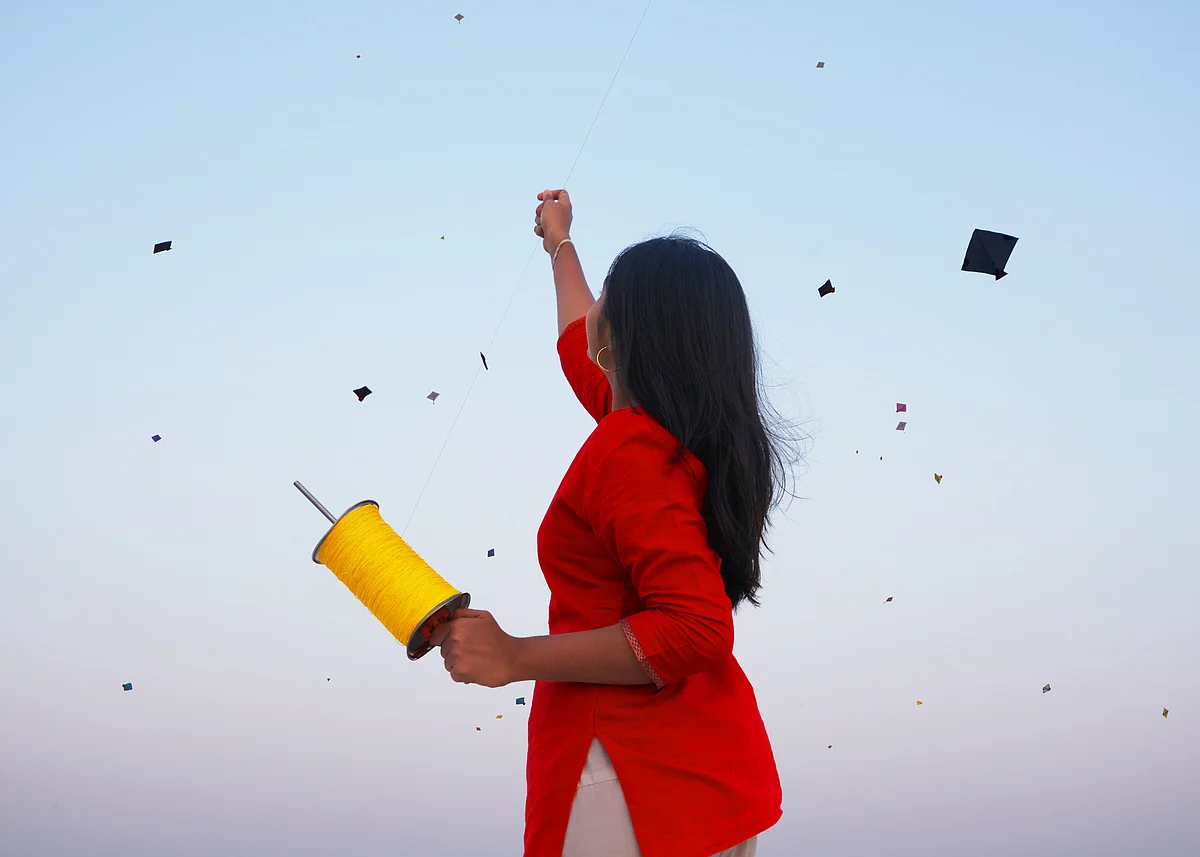
January in India has a gentler feel to it. The mornings are still cool, sometimes foggy, but the sun carries a new warmth. On rooftops, along riverbanks, in temple courtyards and fields, people pause—some looking up at skies dotted with kites, others simply taking a quiet moment for themselves. Makar Sankranti isn’t a loud festival by nature. It’s reflective, rooted, and quietly joyful. In 2026, it once again offers travellers a chance to see India at its most sincere.
Celebrated across the country under different names and traditions, Makar Sankranti marks the Sun’s movement into Makara Rashi (Capricorn) and the beginning of Uttarayan, its northward journey. Unlike most Hindu festivals, which follow the lunar calendar, Sankranti is tied to the solar cycle, so it falls around the same date each year. It signals the easing of winter, longer days ahead, and the reward of a completed harvest. For anyone travelling at this time, it’s a rare intersection of faith, farming and everyday life.
Why Makar Sankranti Matters in Indian Culture
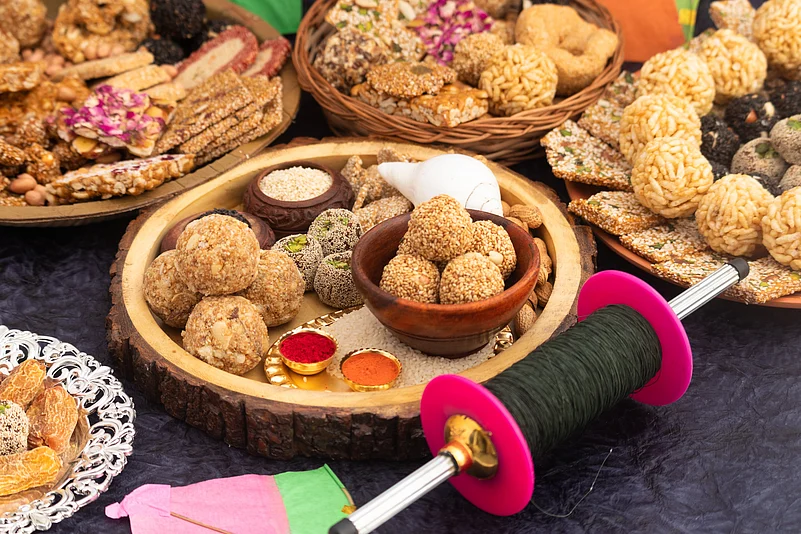

At its core, Makar Sankranti is about gratitude. Farmers thank the Sun, the land, and their animals for sustaining them. Homes fill with the scent of jaggery, sesame, fresh rice and sugarcane. There’s prayer, charity, shared meals and simple rituals that feel more lived-in than ceremonial. Even in big cities, the festival carries a reminder of India’s agricultural heart.
Spiritually, the period of Uttarayan is considered especially auspicious. It’s believed that prayers, holy baths and acts of generosity performed now carry greater merit. Stories from mythology add depth—Bhishma Pitamah choosing this moment to leave his earthly body, or the Sun visiting his son Shani, symbolising reconciliation and balance. Travelling during Sankranti often feels like stepping into these layered meanings rather than just watching a festival unfold.
Makar Sankranti 2026: Date, Time and Auspicious Period
In 2026, Makar Sankranti falls on Wednesday, 14 January. The exact Sankranti moment—when the Sun enters Capricorn—occurs at 3:13 pm IST. The Punya Kaal, considered most favourable for rituals, runs from late afternoon into the early evening. That said, celebrations rarely stick to a single day. In southern states especially, festivities begin earlier and continue for several days.
Rituals Of Renewal
Despite regional variations, Sankranti rituals share a familiar rhythm. Many people start the day with an early bath, sometimes in a sacred river, sometimes simply at home. Water is offered to the rising Sun, homes are cleaned, and colourful rangoli or kolam designs appear at entrances. Kitchens become the centre of the house.
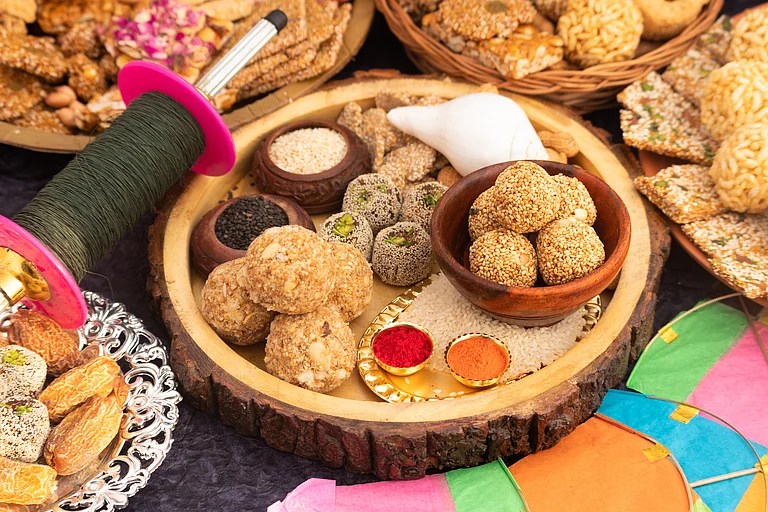
Food is central to the festival. Sesame and jaggery are everywhere, believed to bring warmth and harmony. Fresh rice becomes pongal in the south and khichdi in the north. Charity is equally important—giving food, clothes or essentials is seen as especially meaningful at this time. Nothing feels extravagant; the power lies in intention rather than display.
Best Places To Travel During Makar Sankranti
Tamil Nadu
Tamil Nadu celebrates Sankranti as Pongal, a four-day harvest festival that feels wonderfully personal. Sweet pongal is cooked outdoors and allowed to boil over—a symbol of abundance. In places like Madurai and Thanjavur, temple rituals blend naturally with neighbourhood celebrations. Streets are lined with kolams, cattle are honoured on Mattu Pongal, and daily life slows to a comforting pace. For travellers, it’s an unfiltered glimpse of the south at its most authentic.
Karnataka
In Karnataka, the festival is quieter but deeply charming. Families exchange ellu-bella (a mix of sesame and jaggery), visit temples and decorate their homes with intricate rangoli. Mysore stands out for its calm atmosphere and cultural richness. Sankranti here doesn’t feel staged—it simply fits into the rhythm of the city.
Andhra Pradesh & Telangana
Andhra Pradesh and Telangana treat Sankranti as Pedda Panduga, the great festival. Celebrations stretch across Bhogi, Sankranti and Kanuma, particularly in rural areas. Villages come alive with decorated cattle, folk music, kite flying and communal feasts. Vijayawada, on the banks of the Krishna River, offers a balance of spiritual rituals and lively gatherings.
Gujarat
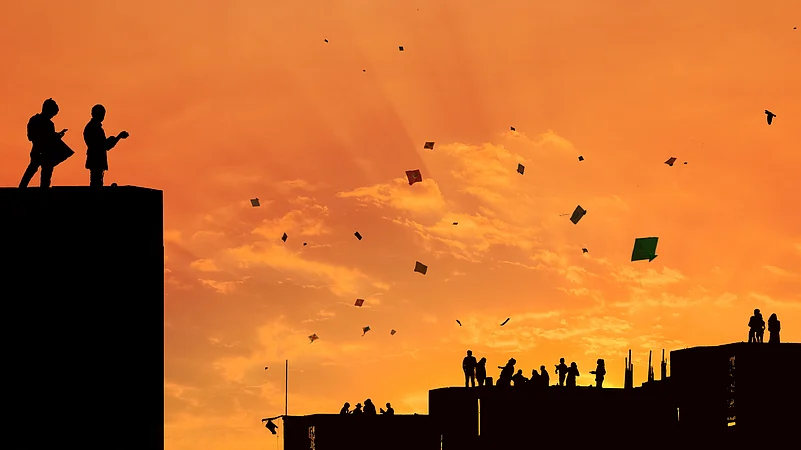
For colour and energy, Gujarat’s Uttarayan is hard to beat. Ahmedabad’s rooftops turn into kite-flying arenas, while the Sabarmati Riverfront hosts large public celebrations. The sky fills with colour, laughter carries across neighbourhoods, and the food—fafda, jalebi and undhiyu—is reason enough to visit.
Other Places That One Can Explore
Those drawn to pilgrimage may prefer Prayagraj, Haridwar, Ujjain or Nashik, where sacred river baths draw thousands. These destinations offer a more contemplative Sankranti, centred on faith rather than festivity. Meanwhile, cities such as Chennai and Hyderabad strike a balance, blending tradition with everyday urban life.
Even Kerala, where Sankranti is relatively understated, has its appeal. With quiet temple rituals, gratitude for the harvest, and January’s perfect weather make it ideal for travellers looking for stillness, backwaters and subtle cultural experiences.
Why Makar Sankranti Is A Perfect Time To Travel In India
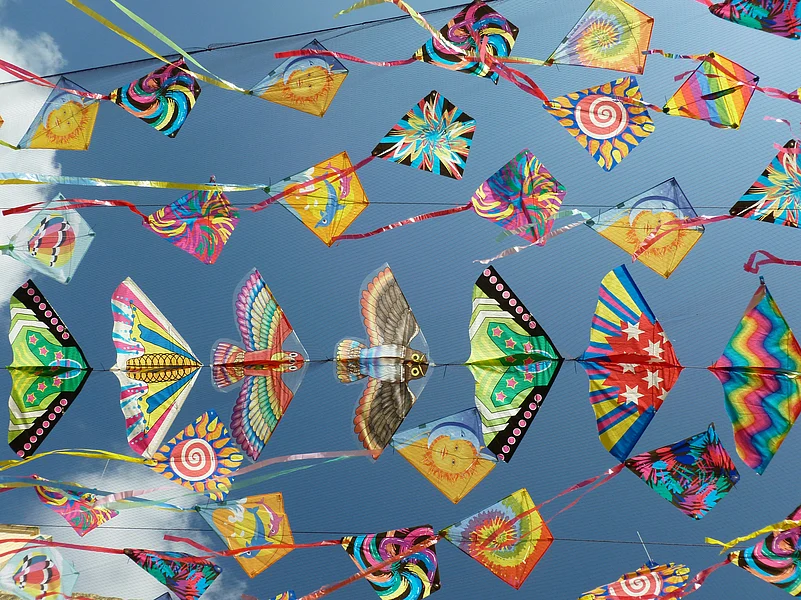
Travelling during Makar Sankranti isn’t about chasing major attractions. It’s about slowing down and letting everyday traditions welcome you in. The weather is kind, the food is seasonal, and the celebrations remain grounded in local life. Whether you’re flying a kite on a crowded rooftop or watching the sun rise over a sacred river, the experience feels personal.
In 2026, as the Sun begins its northward journey once again, Makar Sankranti offers travellers more than a festival. It offers a sense of warmth, renewal, and the quiet joy of belonging—even if only for a short while.
FAQs
1. When is Makar Sankranti in 2026?
Makar Sankranti falls on Wednesday, 14 January 2026. The Sankranti moment occurs at 3:13 pm IST, with rituals typically observed in the late afternoon and evening.
2. Why is Makar Sankranti celebrated on the same date each year?
Unlike most Hindu festivals, Makar Sankranti follows the solar calendar, marking the Sun’s entry into Capricorn, which keeps the date largely fixed.
3. What are the main rituals of Makar Sankranti?
Common rituals include early morning baths, prayers to the Sun, preparing sesame and jaggery-based foods, charity, and in some regions, sacred river bathing.
4. Which are the best places to experience Makar Sankranti as a traveller?
Top destinations include Tamil Nadu (Pongal celebrations), Gujarat (Uttarayan kite festival), Andhra Pradesh and Telangana (Pedda Panduga), and pilgrimage cities like Haridwar and Prayagraj.
5. Is Makar Sankranti a good time to travel in India?
Yes. January weather is pleasant, harvest festivals create a welcoming atmosphere, and travellers can experience local traditions without heavy commercialisation.