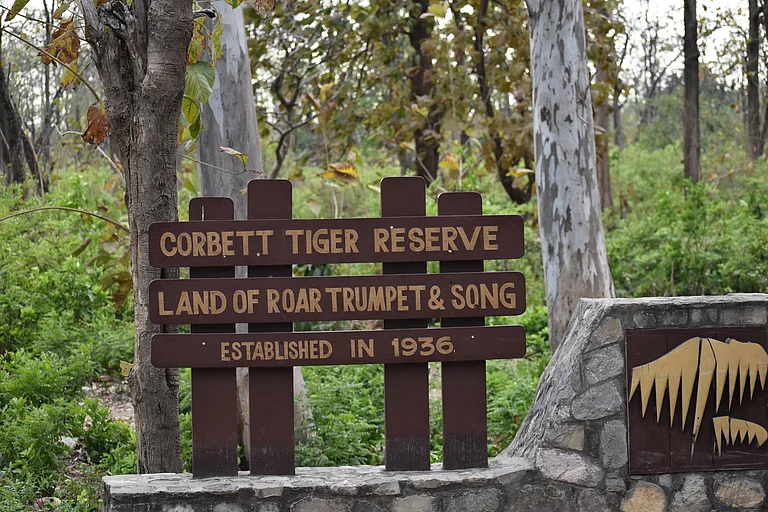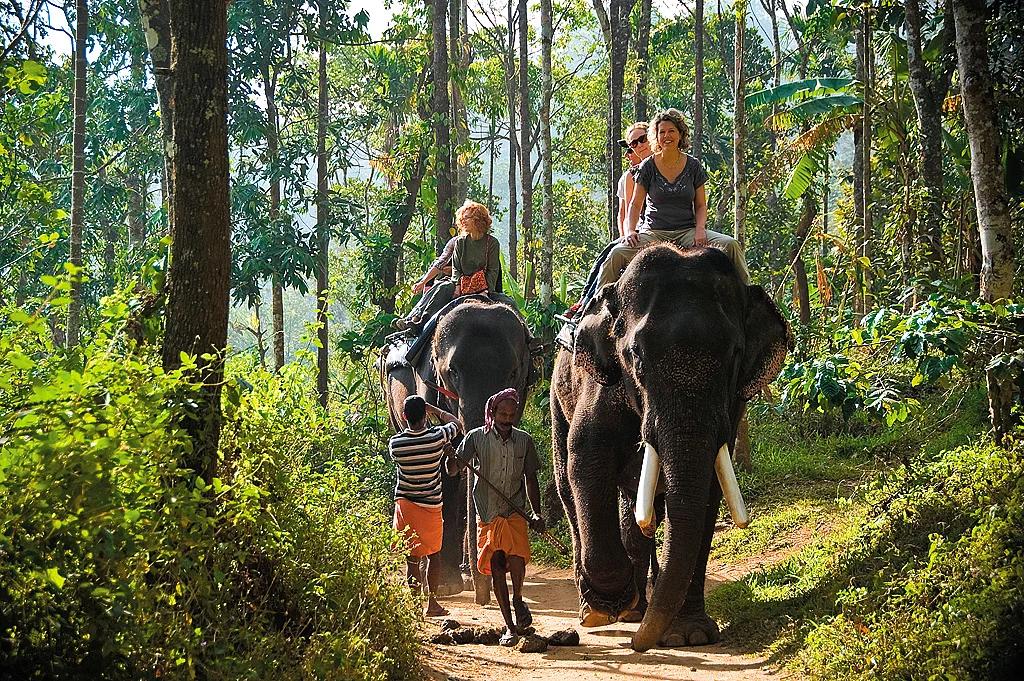
Wildlife Conservation Day 2025 | This Wildlife Conservation Day 2025 brings with it a notable change to the landscape of jungle safari experiences. Elephant rides through the sal and riverine grasslands of Uttarakhand’s famed reserves have made a cautious comeback. Rajaji Tiger Reserve reopened elephant safaris this month in the Chilla zone using two trained females, and Corbett Tiger Reserve plans staged restarts in Bijrani and Dhikala using a handful of elephants. The resumption ends a seven-year suspension prompted by a 2018 High Court order that restricted commercial use of elephants after concerns about cruelty and unregulated tourism. Forest officials present the move as limited, regulated and conservation-oriented, while activists urge tight safeguards.
What's New This Wildlife Conservation Day?
Elephant safaris were once a popular way to penetrate dense tracts of Rajaji and Corbett, offering tourists close encounters and forest staff a platform for patrolling difficult terrain. But in August 2018, the Uttarakhand High Court banned commercial use of elephants (including joyrides and many jungle safaris) and ordered stricter controls on vehicular entries into reserves, citing the Prevention of Cruelty to Animals Act and wildlife protection concerns.


The hiatus also coincided with growing scrutiny of how tourism, when unregulated, can harm habitat, stress individual animals and increase human-wildlife friction. Over the seven years, officials say elephant handling and welfare protocols were reworked; now, authorities say controlled, limited safaris can resume with trained animals and stricter oversight.
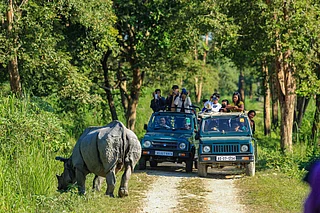
A safari booking operator in Corbett told Outlook Traveller that they have not yet received official instructions on when elephant rides will begin. In contrast, a Rajaji-based operator said safaris are already underway, with a maximum of four visitors permitted per elephant. Operators note that the elephants used are now fully trained for tourism activities, and that if a ride cannot proceed for any reason, guests will either receive a refund or be shifted to a gypsy safari at a minimal additional cost. Travellers are also reminded of the natural limitations that come with working with animals.
A Population Report
Accurate, synchronised census figures vary by year and method, but recent state estimates place Uttarakhand among India’s notable elephant states. A 2025 synchronised estimation reported around 1,792 elephants in the state, putting Uttarakhand in the top five nationally. Historical figures show a steady rise from figures in the 2010s—Corbett historically reported several hundred to over a thousand elephants in different assessments, while state-level tallies have fluctuated with improved survey methods. The state has also recorded worrying trends: a disproportionate number of young male elephant fatalities in recent years due to habitat shrinkage, electrocution and rail accidents.
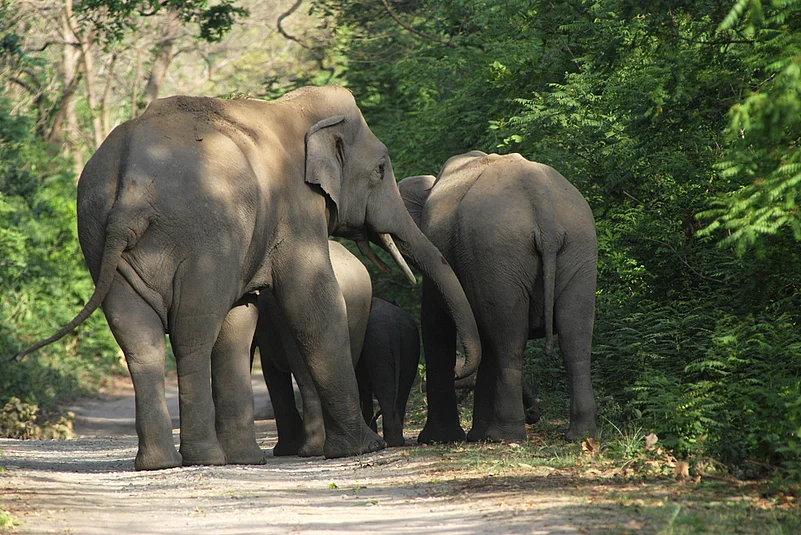
As per reports, Rajaji will operate safaris initially on a short 2–3 km stretch in Chilla with two elephants, while Corbett plans limited routes in Bijrani and Dhikala with three elephants. Officials stress daily limits on rides per elephant and capped visitor numbers as part of the restart.
Nature Implications: Habitat, Behaviour, And Welfare
Bringing elephants back into public-facing safaris raises layered ecological and ethical questions. Even regulated, low-frequency rides can stress animals if their training, rest, nutrition and veterinary care are not world-class. There’s also a landscape-scale concern: increased footfall and infrastructure to support tourism can fragment habitat, disturb ground-nesting birds and alter prey-predator dynamics in sensitive zones.
That said, proponents argue that small, strictly monitored elephant safaris can reduce jeep traffic in fragile micro-habitats, offer low-impact viewing and provide livelihoods that incentivise local communities to protect corridors.
Consulting An Expert
Speaking to Outlook Traveller, noted wildlife conservationist Latika Nath said that the return of elephant safaris in Corbett and Rajaji can be positive or deeply harmful, depending entirely on management. According to her, problems arise when operators take too many tourists, treat elephants poorly or rely on mahouts who are not properly trained. She noted that India has already seen elephants suffer spinal injuries and neglect, often linked to the erosion of traditional knowledge. Mahouts once formed lifelong bonds with their elephants, guided by texts outlining ethical handling. When that relationship weakens and elephants are overworked or controlled harshly, the practice becomes exploitative.
On visitor experience, Nath said no jeep safari can match the feeling of moving through a forest on an elephant. “Being on an elephant in a forest is absolute magic,” she said. The silence, access to deeper forest zones and the chance to observe wildlife at eye level create an immersion vehicles cannot offer. These rides can be unforgettable when done responsibly, she added, but poorly managed elephant tourism can just as quickly become distressing.
Nath emphasised that interacting with animals in the right way can be extraordinary, noting her own long personal relationships with elephants. She shared, “Some of my closest friends are elephants.”
A Two-Pronged Approach
Forest departments frame part of the rationale for limited elephant safaris as dual: a tourism offering and a tactical tool for patrolling inaccessible areas. Trained elephants have historically aided anti-poaching patrols and rapid wildlife response in broken terrain. Revenue from controlled safaris can fund habitat restoration, corridor protection and more. But conservationists warn against conflating revenue with sound conservation; funds must be ring-fenced and used for science-based measures that reduce mortality and maintain genetic connectivity.
The return of elephant safaris in Rajaji and Corbett is a delicate test of tourism, conservation and animal welfare. With strict limits, welfare safeguards, transparent monitoring and habitat-focused funding, it could become a model for low-impact engagement. Without these, it risks repeating the failures behind the 2018 ban—animal stress, habitat damage and heightened human-wildlife conflict. The coming months will reveal whether this is a responsible recalibration or a premature rollback.
FAQs
1. Why were elephant safaris banned in Corbett and Rajaji in 2018?
The Uttarakhand High Court banned commercial use of elephants citing animal cruelty concerns and gaps in regulation, which led to a full halt of elephant-based tourism.
2. Why are elephant safaris being restarted now?
Forest departments say improved welfare protocols, trained elephants and regulated routes allow limited, conservation-oriented safaris to resume under stricter oversight.
3. How many elephants will be used in the restart?
Rajaji has begun with two elephants on a short 2–3 km route, while Corbett plans limited safaris in Bijrani and Dhikala using three trained elephants.
4. What concerns do conservationists have about the move?
Experts warn of stress on elephants, habitat disturbance, increased human–wildlife conflict and the risk of repeating past welfare violations if monitoring lapses.
5. What should travellers know before booking an elephant safari?
Book only with authorised operators, follow safety and distance guidelines, expect strict caps on riders, and choose options that prioritise elephant welfare and low-impact tourism.