If Kenya is on your travel bucket list, you are in for wild safaris, breathtaking landscapes, rich culture and warm hospitality. But before you book that ticket, there are a few practical things you should know to make your journey smoother and more enjoyable. From entry requirements to safety and local customs, here are 10 things worth knowing before you set foot in Kenya.
1. Visa And Entry Requirements
If you are an Indian citizen flying to Kenya, you will require an electronic Travel Authorisation (eTA) prior to travel; so ensure that you obtain this online before leaving India, as well as print out or save the approval digitally, with your passport. Ensure your passport is valid (has a remaining validity of at least 6 months) and has enough blank pages for stamping on arrival, and if you have met the other requirements to enter Kenya. The Kenya Electronic Travel Authorisation (eTA) for Indian citizens typically processes within 1 to 3 working days, though it is highly recommended to apply at least 2 weeks prior to travel to avoid delays. Applications can be submitted up to 3 months in advance via the official portal etakenya.go.ke.
2. Vaccinations And Health Precautions
There are many health risks related to travelling to Kenya, and it would be advisable for you to avoid the risk of contracting any of the diseases related to these risks. Speak with your doctor and obtain all routine immunisations as well as any vaccinations that are recommended specifically for travelling to Kenya, including but not limited to Hepatitis A, Typhoid Fever, Yellow Fever, and other routine immunisations. Malaria is common in different parts of Kenya, so also discuss any malaria medication that your doctor will prescribe for you during your travel as well as bring insect repellent to use while you are travelling. You will want to stay informed regarding the recommendations for all vaccinations, as well as for changes to the current health policies.


3. Obtain Travel Insurance
Do not forget to obtain an appropriate level of travel insurance! There are a number of potential issues that could occur during your time away from home, including medical emergencies, cancellations of your trip, theft of your personal property and/or loss of your luggage. You will want to ensure your travel insurance policy provides for the costs of hospitalisation, evacuation, the cost of your lost luggage, and costs associated with obtaining legal advice if you are sued while in Nairobi or on safari.
4. Learn Basic Swahili Greetings And Cultural Etiquette
Kenya is a friendly country, and locals appreciate polite greetings. Learning phrases like “Jambo” (hello) and “Asante” (thank you) goes a long way. Respecting local norms like modest dress in certain areas and asking permission before taking photos earns goodwill and shows that you respect their culture and customs.

5. Understanding Currency And How To Pay
The currency of Kenya is Kenyan Shilling (KES), and you will find ATMs and mobile money (like MPESA) in larger towns and cities; however, it is always wise to carry enough cash for markets and remote areas. Credit and debit cards are accepted in most areas, but always have an alternative payment option.
6. Safety And Security
While Kenya is generally safe for tourists, you should remain aware of your surroundings, as you would anywhere in the world. Avoid traveling to high-risk border areas and use care in instances where you are unfamiliar with urban areas late at night. Be sure to keep your important travel documents (e.g. passport, credit cards) in a secure area and have a list of local emergency telephone numbers handy in case you need assistance.
7. Water Safety
In Kenya, tap water is not always safe for drinking. If you are travelling, it is recommended that you drink bottled or boiled water or use a water filter bottle. Always stay hydrated, especially when you are in a hot climate (safari/Cape Town) – this is very important!
8. Pack Smart For Varied Weather And Activities
Weather conditions across Kenya change quite a bit from place to place; for instance, Nairobi is rather cool during the mornings, and coastal populations frequently endure temperatures greater than 30 degrees Celsius and high humidity. Pack lightweight clothing during the day, a warm layer for early morning safaris or when in highlands, comfortable shoes and a refillable water bottle. Portable chargers can also be helpful because the electricity supply is unreliable in some areas.
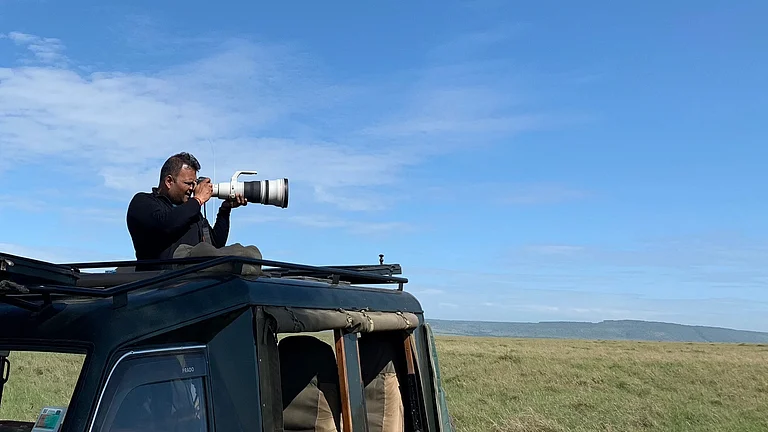
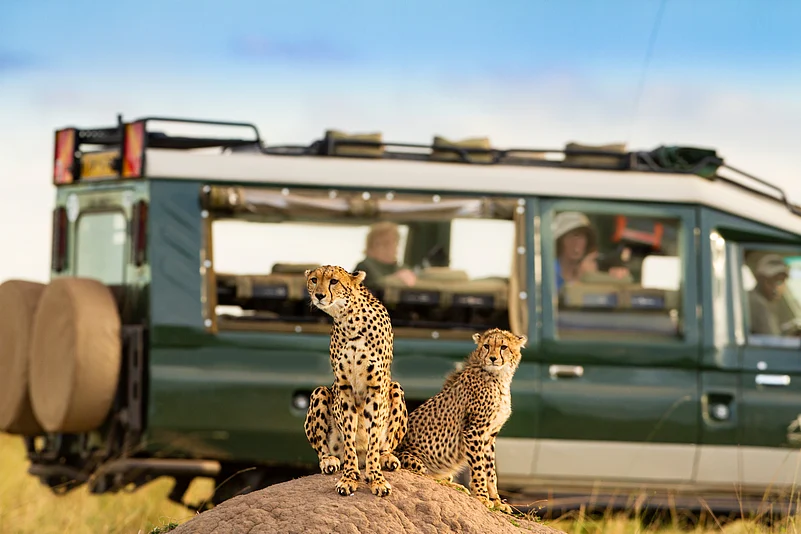
9. Respect Wildlife And Obey Driving Rules On Safari
Kenya has an array of spectacular wildlife, but also unpredictable. It is important to always listen to your safari guide and strictly adhere to the guidelines provided. Always remain inside the vehicle for your safety, never attempt to feed or approach an animal, and respect the regulations set forth by the National Parks to ensure both the safety of you and the animals, as well as an amazing safari experience.
10. Expect To Bargain And Experience Local Cuisine
Negotiating is simply part of the shopping experience in Kenya when shopping at market stalls. Be cognisant of the seller’s point of view while negotiating on the price of an item, and make sure to smile. You will find plenty of delicious local dishes in Kenya, as well as ones that have been influenced by Indian cuisine. However, be cautious of street food if you have a sensitive stomach.
FAQs
1. Do Indian citizens need a visa to travel to Kenya?
Yes, Indian citizens must apply for Kenya’s electronic Travel Authorisation (eTA) online before departure. It is recommended to apply at least two weeks in advance.
2. Is Kenya safe for Indian tourists?
Kenya is generally safe for tourists, especially in safari zones and major cities, but travellers should stay alert, avoid high-risk areas and follow local safety advice.
3. What vaccinations are required before travelling to Kenya?
Travellers are advised to consult a doctor for routine vaccines and recommended shots such as Yellow Fever, Hepatitis A, Typhoid, and malaria medication.
4. What currency is used in Kenya and how do tourists pay?
Kenya uses the Kenyan Shilling (KES). Cards are widely accepted, and mobile payments like MPESA are common, but cash is useful in rural areas.
5. What should Indians know before going on a safari in Kenya?
Always follow your guide’s instructions, stay inside vehicles, respect wildlife rules and avoid feeding or approaching animals for a safe safari experience.