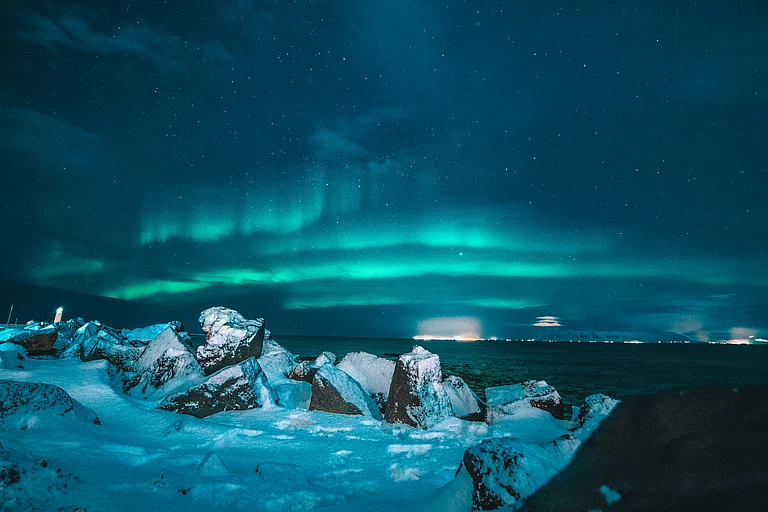
Ask anyone about winter in Norway and thoughts immediately drift upward—to emerald skies, flickering lights, and moments that feel almost otherworldly. The Northern Lights have long been the country’s star performer, and rightly so. But to reduce a Norwegian winter to just aurora chasing would be like going to Paris and only looking at the Eiffel Tower. Winter here is layered, lived-in, and quietly thrilling. It’s dogs howling in anticipation before a sled ride, the crunch of snow beneath your boots in total silence, steam rising from fjords at dawn, and the unmistakable comfort of candlelight and wool when the cold presses in. Norway doesn’t merely endure winter; it designs life around it. From food and architecture to adventures that embrace rather than escape the cold, there’s a whole repertoire of experiences waiting beyond the night sky. If you’re already heading north for the lights—or even if clouds have other plans—these winter moments are just as memorable, and sometimes even more enduring.
Here are some other winter experiences in Norway that deserve your time, your curiosity, and a very good down jacket.
Dog Sledging Across Arctic Landscapes


Few experiences feel as cinematic—or as joyful—as dog sledging in wintery Norway. Whether you’re gliding across the Finnmark Plateau or weaving through birch forests near Tromsø, the thrill lies in the partnership between humans, huskies and snow. The dogs are electric with excitement, the sled runners whisper across the ground, and suddenly civilisation feels very far away. Some tours let you learn to “drive” the sled yourself, while others invite you to sit back and absorb the scenery. Either way, it’s adventure in its purest, coldest form.
Spending A night In A Snow Or Ice Hotel
Yes, it’s cold. No, you won’t regret it. Norway’s snow and ice hotels—particularly around Kirkenes and Alta—are rebuilt every winter, with rooms sculpted anew each season. Think glowing ice corridors, carved headboards, and sleeping bags rated for Arctic conditions. It’s less about luxury and more about the brag-worthy novelty of falling asleep surrounded by snow. Warm saunas, hearty dinners, and hot berry drinks ensure you ease into the experience rather than shiver through it.
Savouring Winter-Only Arctic Food Experiences
Winter is eating season in Norway, especially in the north. This is when skrei (migratory Arctic cod) arrives, when reindeer stews become essential, and when king crab is hauled from icy waters and served almost immediately. In places like Kirkenes, you can even join a king crab safari—part fishing expedition, part feast. Meals feel celebratory here, often enjoyed in wooden cabins or lavvu tents, with stories shared as freely as the food.
Exploring Sámi Culture In The Snowy North
Winter is also the best time to understand how life has long existed in the Arctic. Visiting a Sámi camp introduces you to reindeer herding traditions, storytelling, joik (traditional songs), and a worldview shaped by seasons harsher than most of us can imagine. Shared meals in a fire-lit tent, listening to stories passed down through generations, lend depth and context to the landscape around you.
Taking A Winter Fjord Cruise

Fjords in winter are quieter, moodier, and arguably more dramatic. Snow-dusted cliffs plunge into steel-grey waters, waterfalls freeze mid-fall, and the light—brief though it may be—feels almost theatrical. Coastal voyages with Hurtigruten or Havila run year-round, allowing you to sail between towns while barely lifting a finger. It’s slow travel at its most scenic, with the bonus of warm cabins and uninterrupted views.
Snowshoeing
Not every winter activity needs adrenaline. Snowshoeing through forests or across frozen lakes offers a gentler way to connect with Norway’s winter landscapes. The silence is profound—no traffic, no birdsong, just your breath and the soft crunch beneath your feet. Guides often stop everyone mid-walk, simply to let the quiet settle. It’s surprisingly moving.
Watching Whales

Between late autumn and mid-winter, humpbacks and orcas follow herring into the fjords of Northern Norway. Whale-watching tours from Tromsø, Skjervøy and Andenes take you close enough to witness these animals breach against a snowy backdrop—an experience that feels almost unreal. Cold fingers aside, it’s one of the most powerful reminders of how alive the Arctic seas remain, even in winter.
In Norway, winter isn’t something to escape. It’s something to lean into. The lights may bring you here—but these experiences are what will stay with you long after the sky goes dark.
FAQs
1. When is the best time to visit Norway for winter experiences?
Late November to March is ideal for snow-based activities, polar nights, winter food seasons and Arctic adventures.
2. Do I need to see the Northern Lights to enjoy Norway in winter?
Not at all. Dog sledding, fjord cruises, Sámi experiences, snow hotels and winter wildlife make the trip worthwhile on their own.
3. Is winter travel in Norway suitable for first-time visitors?
Yes. Norway is well-organised in winter, with excellent infrastructure, guided tours and clear safety protocols.
4. How cold does it get in winter?
Coastal areas hover around 0 to −5°C, while inland and Arctic regions can drop to −10°C or lower.
5. What should I pack for a winter trip to Norway?
Layered thermals, a down jacket, waterproof outerwear, insulated boots, gloves, a warm hat and spare camera batteries.