


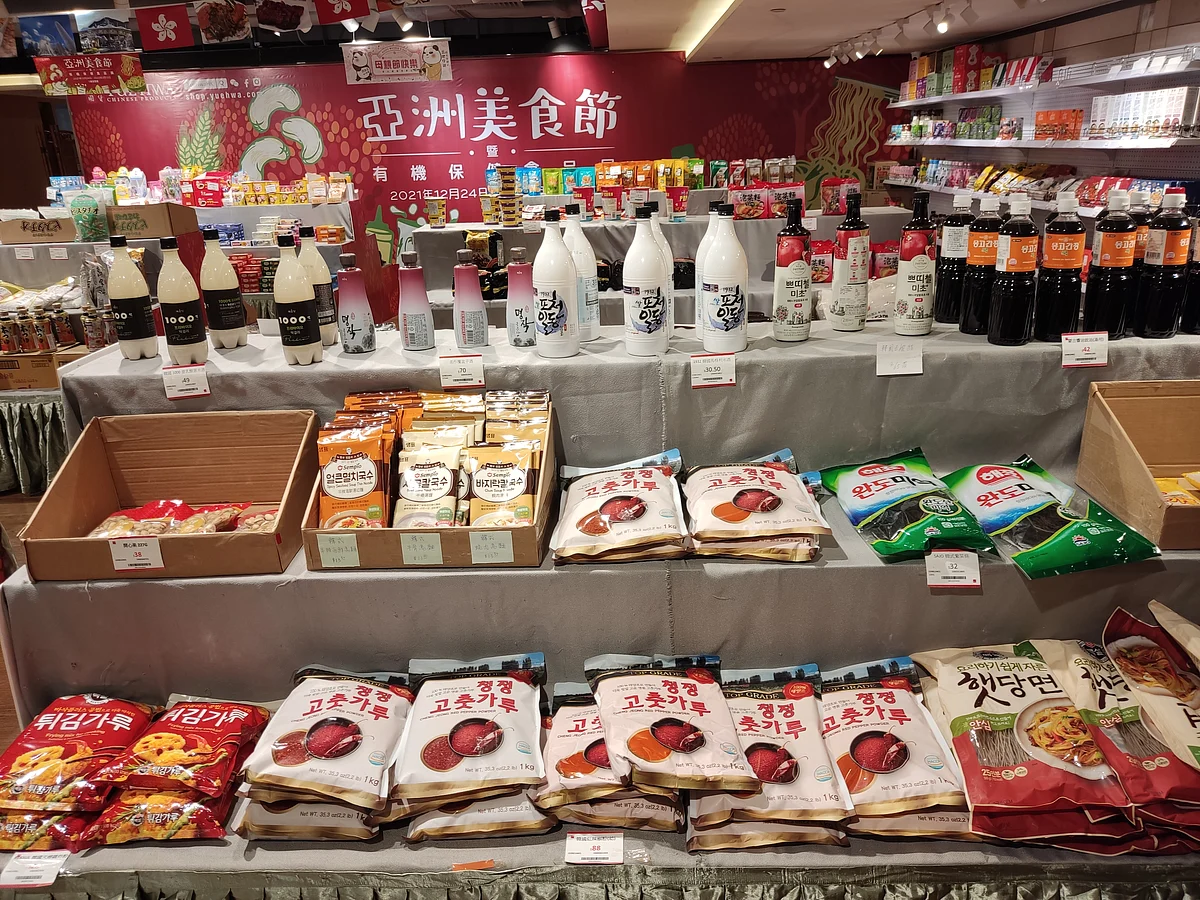
Travel around culinary cultures has taken off in a big way, with people growing increasingly adventurous in seeking out new tastes. Within this broader movement, a subculture has emerged: travellers deliberately exploring local snacks. From quirky convenience store drinks to region-specific sweets, these edible discoveries offer a playful yet insightful way to connect with a destination. People are planning trips around discovering unique local snacks, such as Japan’s famous flavoured KitKats, rather than merely visiting landmarks. Far from being mere souvenirs, these snacks reveal local habits, flavours, and everyday life.
Snacks have become a serious phenomenon, with some even inspiring devoted followings and fiery debates. Consider the Maggi versus Wai Wai showdown as proof. The popular YouTube series Snack Wars takes this fascination global, featuring celebrities, influencers, and personalities tasting, comparing, and ranking snacks from different countries—often pitting the UK against the US, or Australia against Ireland. Filled with humour, blind taste tests, lively reactions, and spirited discussions, the show has welcomed guests like Hailey Bieber, Margot Robbie, Macaulay Culkin, and Gordon Ramsay, all competing to see which nation’s treats reign supreme. This is the world of snack tourism in action, where culinary curiosity drives travel in deliciously unexpected ways. Here are some places that are known for snack tourism.
Japan: The Holy Grail Of Snack Collectors
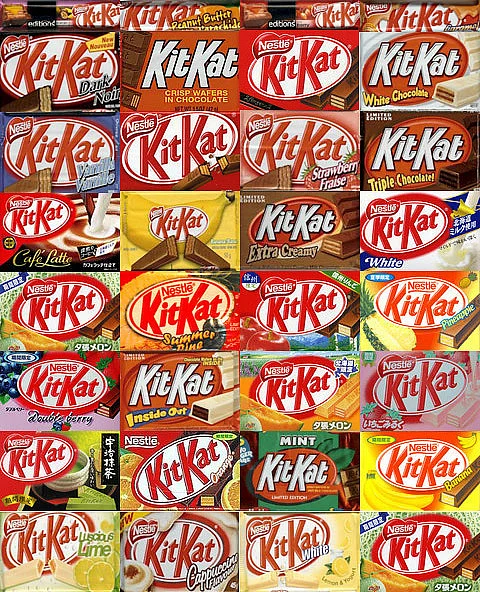

Food connoisseurs love Japanese supermarkets, treasure troves of unique regional specialties. Travellers often seek out local soy sauces and miso, which vary greatly by region—Kyushu offers sweet varieties, while Tohoku favours larger bottles for pickling traditions. Another major draw is Japan’s legendary KitKat collection. Beyond standard chocolate, supermarkets stock hundreds of unique flavours, from matcha, hojicha, and azuki bean to wasabi, soy sauce, and baked potato, as well as fruity or dessert-inspired varieties like Yubari melon, strawberry cheesecake, and regional specialties such as Okinawa sweet potato. Enthusiasts hunt for rare editions in shops and specialty stores, sometimes amassing collections of over 400 flavours.
United Kingdom: Crisps, Biscuits And Bold Flavours
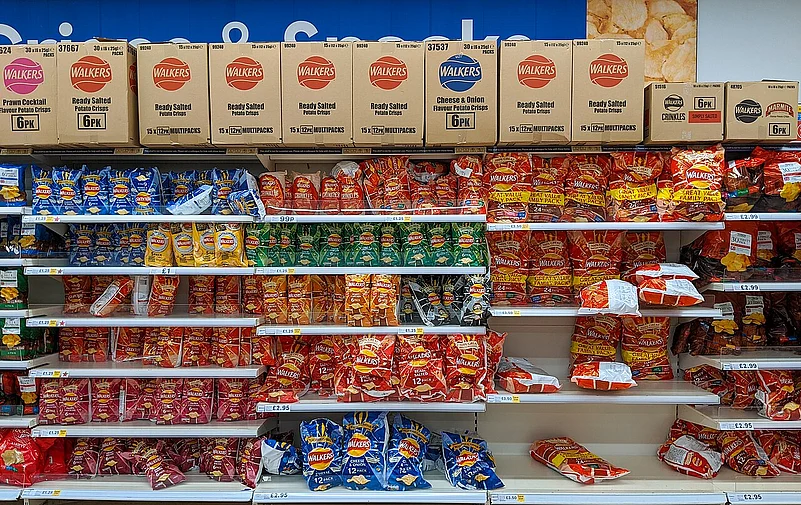
British supermarkets are a must-visit for snack tourists seeking flavours hard to find elsewhere. Snack enthusiasts sample and pick up unique British crisps, from Prawn Cocktail to Scampi Fries, Frazzles, and Twiglets. Another popular buy is Marmite, the iconic salty Brit spread, is a staple for toast and an acquired taste for many visitors. The biscuit aisles are equally enticing, with regional favourites like McVitie’s Hobnobs and other “nobbly oaty” treats. These are paired with specially blended “biscuit brew” teas designed for dunking. Then there are sweet treats like Jaffa Cakes or Percy Pigs, and Jammie Dodgers. People also like to sample iconic savory items like Scotch Eggs (sausage-wrapped boiled eggs).
Germany: Comfort Snacks With Precision
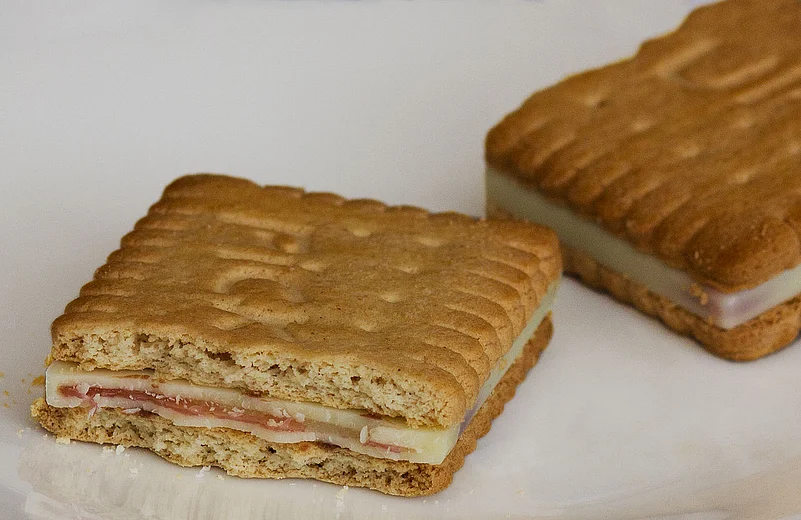
Germany is a hotspot for snack tourism, with supermarkets offering a wide array of both savoury and sweet treats that reflect local tastes. Savoury options include Erdnuss Flippies—crunchy, peanut-flavoured corn puffs—Funny Frisch Chipsfrisch in the iconic “Ungarisch” paprika flavour, and salty pretzel sticks (Salzstangen). Folks with a sweet tooth enjoy Pick Up! cookie sandwiches, Leibniz butter biscuits (especially dark chocolate versions), Monte pudding cups, and Ritter Sport bars in unique flavours. Classic regional items like soft Brezeln (pretzels) and ready-to-heat Kartoffelpuffer (potato pancakes) are also widely available. Chains such as Lidl, Aldi, and Rewe make it easy for travellers to sample Germany’s snacks.
Vietnam: Sweet, Savoury And Street-Inspired
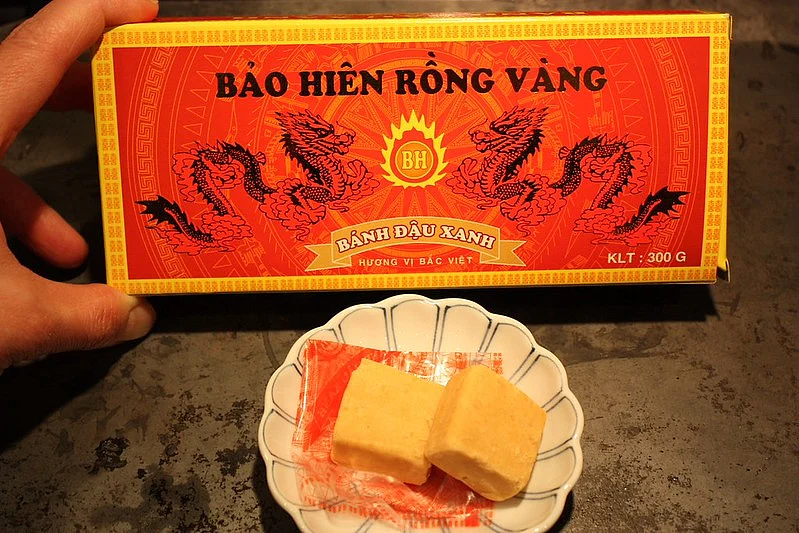
Vietnam has emerged as a popular destination for snack tourism, with supermarkets and local stores offering a fantastic mix of treats. Savoury favourites include dried beef, quail eggs, herbs, mango, and sauces, Bánh Tráng Nướng, a crispy “pizza” made from grilled rice paper, and dried seafood snacks like tamarind-glazed squid or fish sticks. Cơm Cháy, crispy rice crackers, is another local staple people like to pick up on their travels. Sweet options are equally diverse, from flaky Bánh Pia pastries with mung bean, durian, or salted egg fillings, to Mứt Tết candied fruits, Mè Xửng sesame brittle, coconut candies (Kẹo Dừa), and preserved fruits (Ô Mai).
China: Nostalgia Meets Bold Experimentation
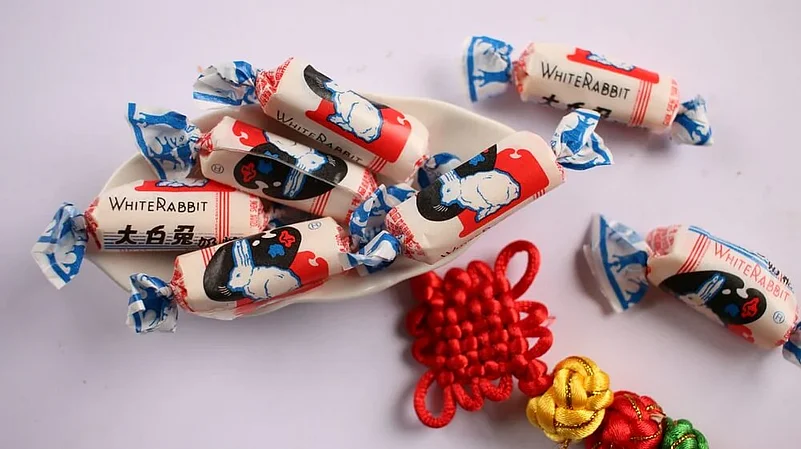
China’s vastness and regional diversity make it difficult to pinpoint definitive snacks, but several treats have become favourites for travellers. Sweet and savoury hawthorn snacks, such as haw flakes or dried slices, offer a tangy-sweet bite, while the iconic White Rabbit chewy milk candies are a nostalgic staple. Travellers also like to seek out bold flavours in snacks like spicy duck necks or feet. Flaky pastries such as Sachima provide a soft, sweet crunch. Regional specialties like Latiao—spicy gluten strips—are widely available, vacuum-sealed or sold, offering a thrilling mix of textures and tastes.
Thailand: Sweet, Spicy And Umami-Packed

Thailand offers an amazing variety of ready-made treats that blend sweet, spicy, and umami flavours. Savoury favourites include Bento spicy squid strips, crispy Tao Kae Noi seaweed in varieties like tempura or salted egg yolk, Manora fried shrimp chips, Chao Sua pork floss rice crackers, and Koh Kae peanuts in flavours such as BBQ, wasabi, or coconut. Lays in Thailand also feature unique local flavours like Lobster Hotplate, Chilli Crab, and Shrimp Ginger Lime. Sweet options include dried and freeze-dried fruits like mango, durian, jackfruit, and mangosteen, coconut rolls and candies, Royal Chitralada milk tablets, and chewy konjac jellies. Traditional snacks such as Miang Kham, Khaep Mu pork rinds, and ready-to-eat Khanom Krok coconut pancakes are also widely available. Hit up convenience stores like 7-Eleven and hypermarkets such as Big C and Tops for these snacks.
FAQs
What is snack tourism?
Snack tourism is a travel trend where visitors plan trips around discovering and tasting local, regional, and hyper-local snacks. Instead of focusing solely on landmarks, travellers explore street food, markets, and supermarkets to experience authentic everyday flavours and collect unique edible souvenirs.
What do snack tourism itineraries typically include?
Itineraries often feature visits to specific snack vendors, grocery stores, food markets, and specialty shops. Travellers seek viral treats, limited-edition items, and regional staples to sample and bring home.
How has social media influenced snack tourism?
Platforms like TikTok and Instagram popularise viral snacks, guiding travellers to specific destinations, stores, and limited-edition treats, making online trends a key part of the snack-hunting experience.
Can snack tourism be done anywhere?
Yes. While countries like Japan, Thailand, Vietnam, Germany, the UK, and China are popular for unique snacks, the trend applies globally. Even local grocery stores and markets in smaller cities can offer distinctive bites that tell a story about a region’s culture.