

India’s UNESCO World Heritage Sites are often reduced to a familiar checklist. Yet beyond the famous mausoleums and monumental temples exists a quieter, richer layer of history shaped by forgotten dynasties, sacred landscapes, military ingenuity, and human life stretching back tens of thousands of years. These ten sites are not just destinations, they are immersive experiences where architecture, belief systems, and geography intertwine, making them ideal for travellers seeking depth rather than crowds in 2026.
Moidams, The Mound Burial System Of the Ahom Dynasty, Assam
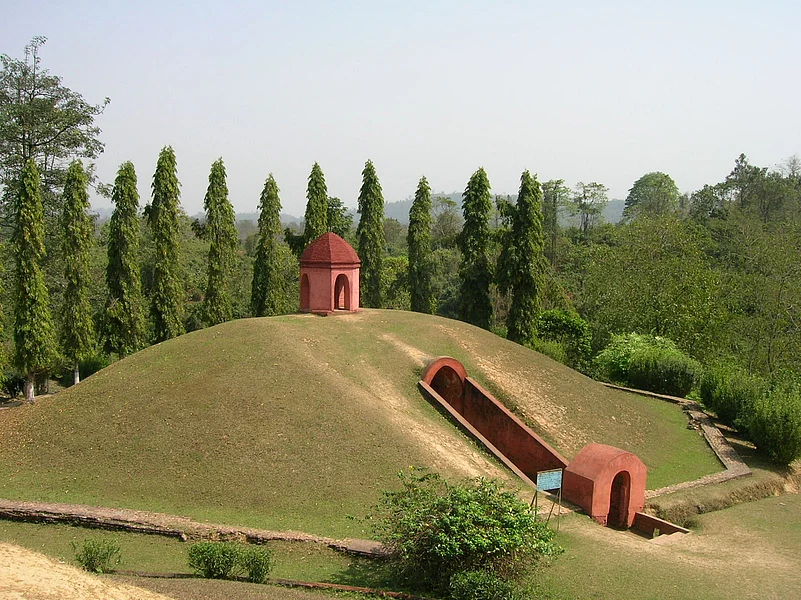

Hidden amid the quiet countryside of Upper Assam, the Moidams are royal burial mounds built by the Ahom dynasty, which ruled the region for nearly six centuries. Often likened to pyramids, these earthen structures were not merely graves but sacred landscapes designed according to Tai Ahom cosmology. Each mound symbolised the journey of the soul, with chambers containing royal belongings meant to accompany the departed into the afterlife.
What makes the Moidams remarkable is their scale and cultural continuity. Entire clusters of mounds rise gently from the ground, surrounded by water bodies and forests, reflecting a worldview that merged life, death, and nature into a single continuum. Despite invasions and colonial disruption, these burial traditions endured, making the site a rare surviving example of indigenous funerary architecture in South Asia.
How to reach: Located at Charaideo in Sivasagar district, Assam, the nearest airport is Jorhat. From there, taxis and buses connect to Sivasagar and onwards to Charaideo.
Champaner Pavagadh Archaeological Park, Gujarat
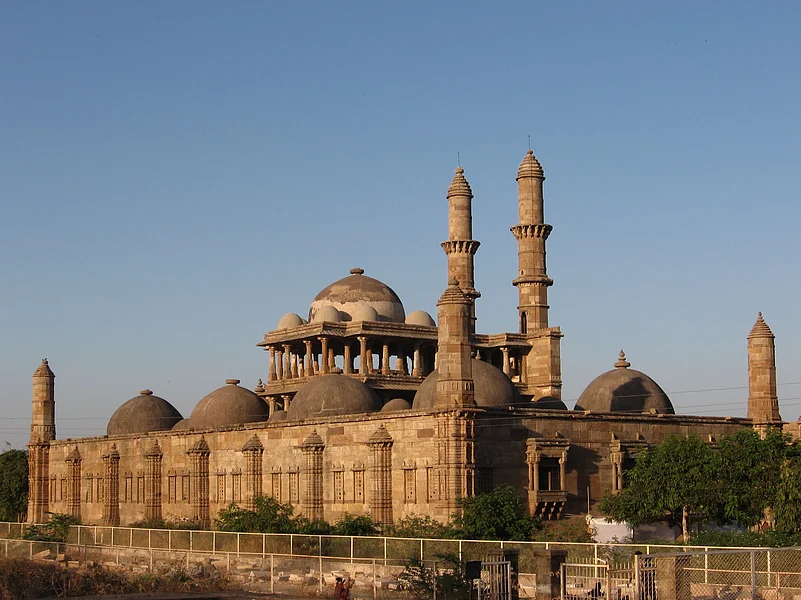
Champaner Pavagadh feels like a city paused mid-sentence. Once the capital of Gujarat under Sultan Mahmud Begada, the site today unfolds as a layered landscape of palaces, mosques, stepwells, residential quarters, and temples scattered across plains and hills. At its heart rises Pavagadh Hill, a sacred site revered for centuries, crowned by the Kalika Mata temple that still draws pilgrims.
The architectural richness here lies in its seamless blending of Hindu and Islamic styles. Mosques feature intricate stone screens and elegant minarets, while water systems reveal advanced urban planning. Walking through Champaner feels less like visiting ruins and more like wandering through the bones of a living medieval city that once thrived with trade, faith, and governance.
How to reach: Located in the Panchmahal district near Vadodara, Vadodara railway station and airport serve as the main gateways, with road transport to the site.
Rock Shelters Of Bhimbetka, Madhya Pradesh
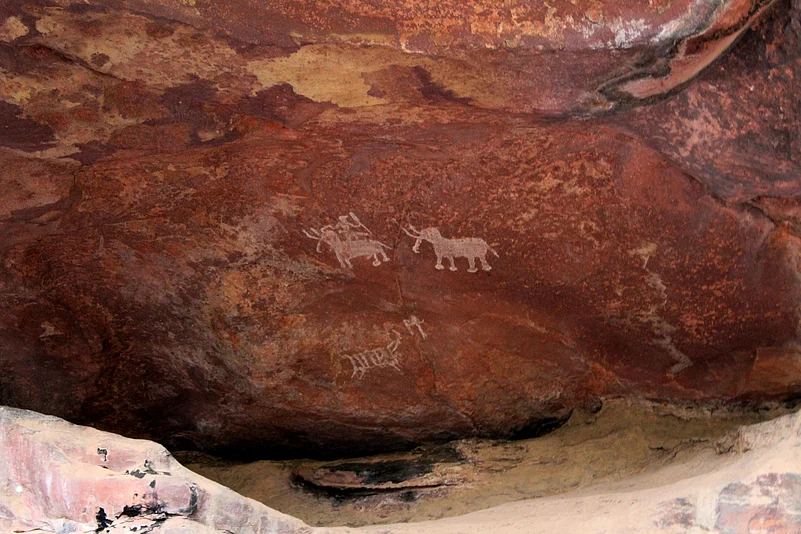
Bhimbetka is not just an archaeological site. It is a record of humanity’s earliest conversations with art and shelter. Spread across the Vindhya hills, these rock shelters contain paintings that span from the Palaeolithic period to medieval times. Scenes of hunting, dancing, rituals, animals, and daily life appear layered over millennia, making Bhimbetka one of the oldest continuously inhabited places on Earth.
The shelters themselves are naturally sculpted formations that provided refuge to early humans. What stands out is the intimacy of the art. These were not grand murals meant for spectacle but expressions of survival, belief, and community. A walk through Bhimbetka is a walk through deep time, where the boundaries between archaeology and anthropology dissolve.
How to reach: About 45 kilometres from Bhopal, it is easily accessible by road from the city.
Pattadakal Group Of Monuments, Karnataka
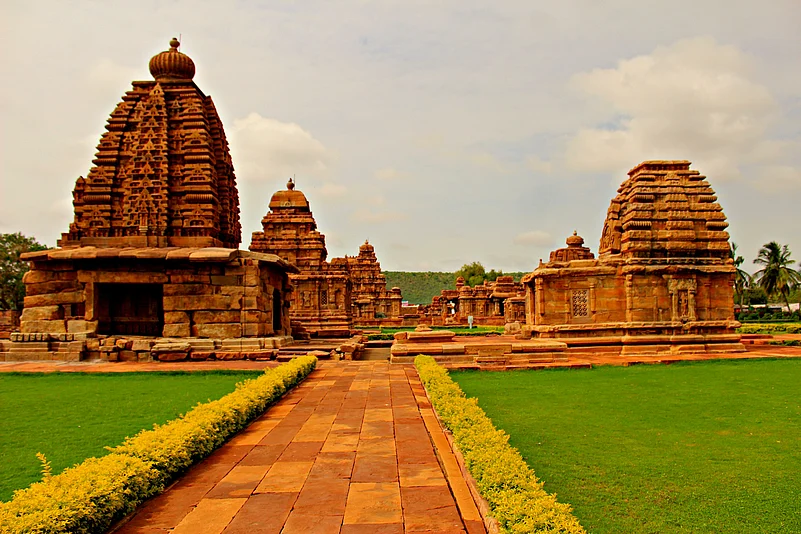
Pattadakal occupies a pivotal place in the evolution of Indian temple architecture. Situated on the banks of the Malaprabha River, it served as a ceremonial centre where Chalukya kings were crowned. What makes this site exceptional is its experimental nature. Here, northern and southern architectural styles coexist and influence one another.
The temples are adorned with sculpted panels depicting episodes from the Ramayana, Mahabharata, and Puranas. Unlike crowded temple towns, Pattadakal retains a sense of calm, allowing visitors to observe how stone was shaped into narrative and ritual. The site reveals a moment in history when architecture was a living laboratory of ideas.
How to reach: Located in the Bagalkot district, the nearest airport is Hubli. Road connections from Badami and Aihole make it part of a heritage circuit.
Rani ki Vav, Gujarat
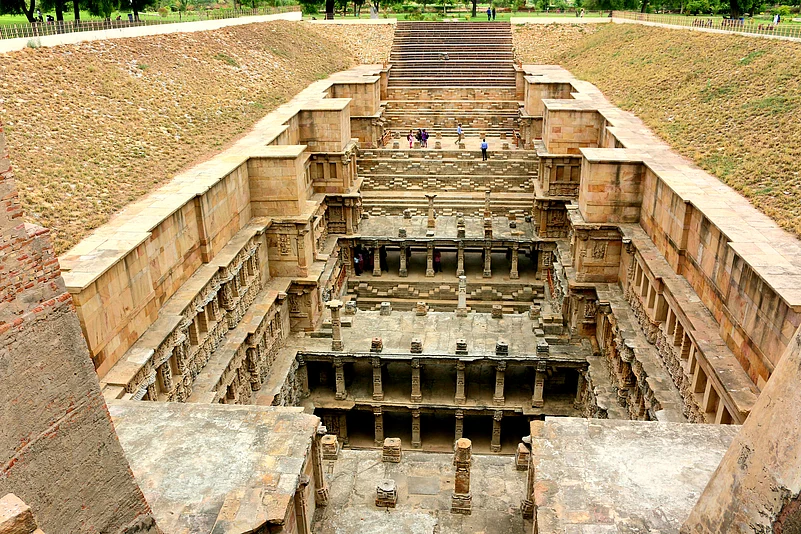
Rani ki Vav is a monument built underground, yet its ambition reaches skyward. Constructed in the eleventh century as a memorial to a king, this stepwell was designed as an inverted temple, leading visitors downward through seven levels of intricately carved stone. Every descent reveals sculpted deities, celestial beings, and mythological scenes arranged with extraordinary precision.
Beyond its artistic brilliance, Rani ki Vav speaks of water as a sacred resource in arid landscapes. It was both a utilitarian structure and a spiritual space where architecture responded to climate, devotion, and social life. Standing at its lowest level, one senses the profound respect ancient builders had for both nature and craftsmanship.
How to reach: Located in Patan, Gujarat, Mehsana is the nearest railway station, while Ahmedabad offers the closest major airport.
Sacred Ensembles Of The Hoysalas, Karnataka
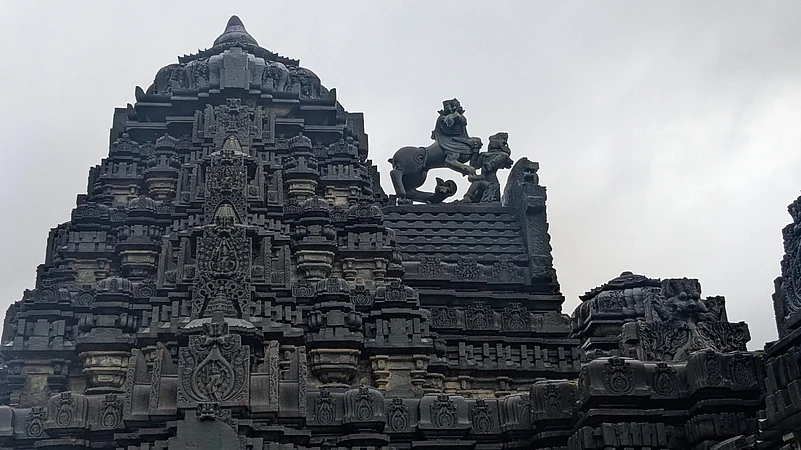
The Hoysala temples are stone poems. Built between the eleventh and thirteenth centuries, temples at Belur, Halebidu, and Somanathapura showcase an astonishing level of detail carved into soapstone. Star-shaped platforms, friezes of dancers and warriors, and narratives from Hindu epics cover every inch of the walls.
These temples were not solely places of worship but cultural centres where art, music, and philosophy flourished. The precision of the carvings suggests a society deeply invested in aesthetics and storytelling. Even today, the sculptures appear fluid, almost alive, defying the hardness of the stone they emerge from.
How to reach: Located in the Hassan district, Hassan town is well connected by rail and road, with local transport to the temple sites.
Maratha Military Landscapes Of India
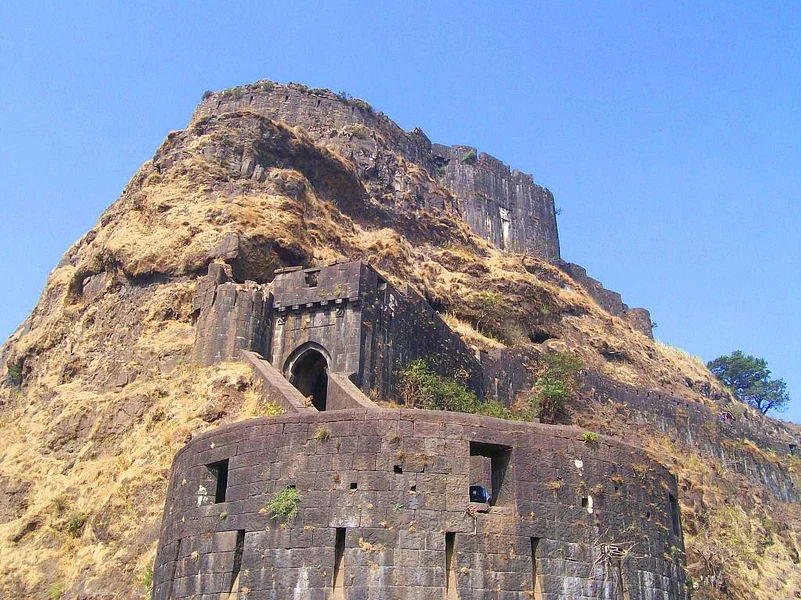
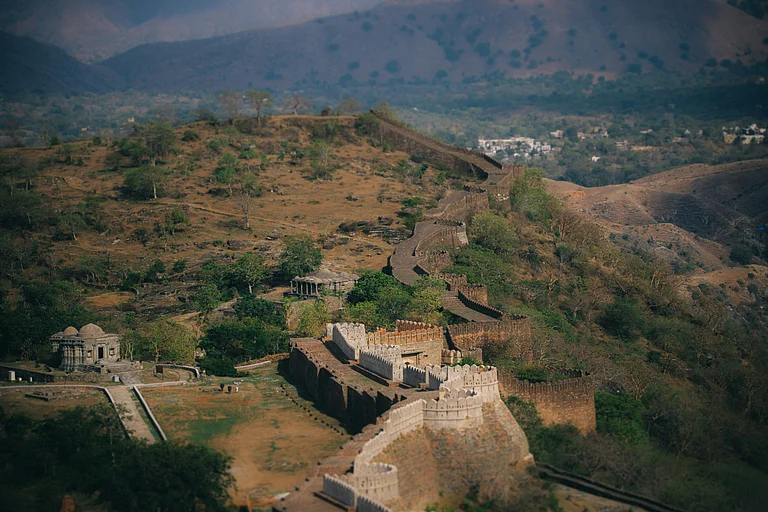
Spread across rugged hills, forests, and coastlines, the Maratha Military Landscapes represent a sophisticated network of forts designed for mobility, defence, and survival. Built and adapted by Maratha rulers, these forts demonstrate how geography was used as a strategic ally rather than an obstacle.
The Maratha Military Landscapes of India comprise a network of 12 forts that were built, occupied, and strategically enhanced by Maratha rulers between the 17th and 19th centuries. This ensemble includes Salher, Shivneri, Lohagad, Khanderi, Raigad, Rajgad, Pratapgad, Suvarnadurg, Panhala, Vijaydurg, and Sindhudurg forts in Maharashtra, along with the formidable Gingee Fort in Tamil Nadu.
Each fort tells a story of resistance, administration, and daily life. Water harvesting systems, granaries, watchtowers, and secret pathways reveal advanced military planning rooted in local knowledge. Visiting these sites involves trekking, exploration, and imagination, offering a powerful connection to India’s indigenous military heritage.
How to reach: Located mainly across Maharashtra, with one site in Tamil Nadu, Pune and Mumbai serve as major access points for most forts.
Khangchendzonga National Park, Sikkim
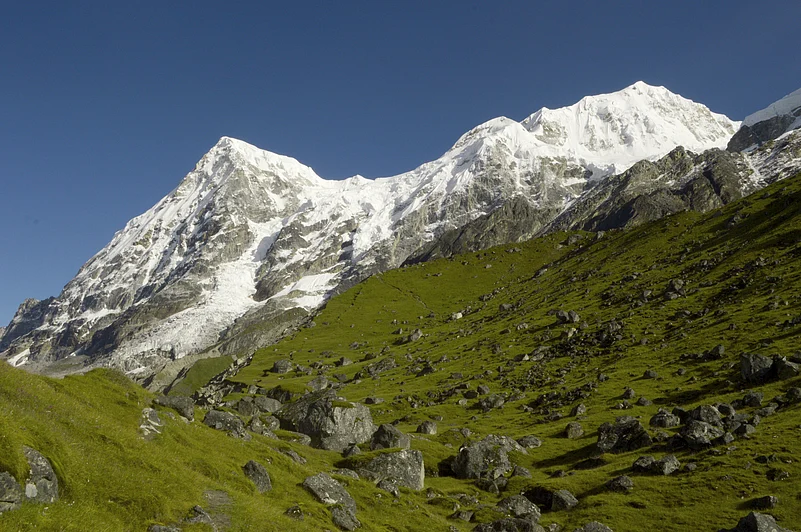
Khangchendzonga National Park is where natural grandeur and spiritual belief coexist seamlessly. Dominated by the mighty Khangchendzonga peak, the landscape includes glaciers, alpine meadows, dense forests, and sacred caves. For local communities, the mountains are living deities, not just geographical features.
The park is also a biodiversity treasure, sheltering rare species adapted to extreme altitudes. Treks through this region are as much spiritual journeys as physical ones, with prayer flags, monasteries, and myths woven into the terrain. Few places in India offer such an acute sense of ecological and cultural harmony.
How to reach: Located in North Sikkim, Bagdogra airport, followed by road travel to Gangtok, is the standard route. Permits are required.
Great Himalayan National Park, Himachal Pradesh
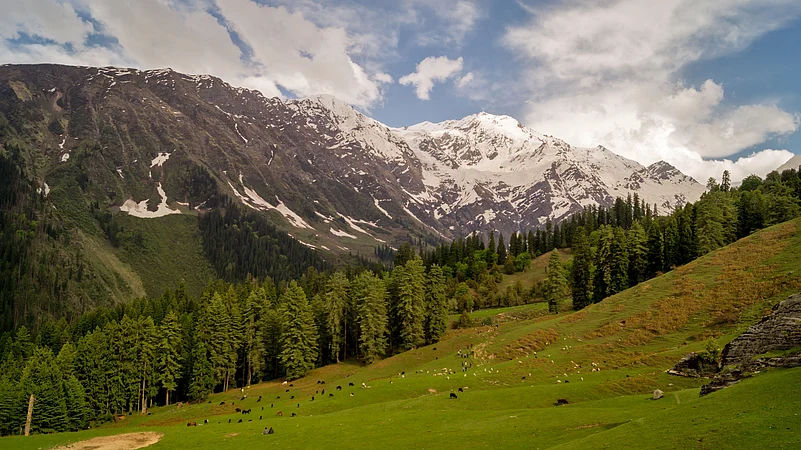
Tucked away in the Western Himalayas, the Great Himalayan National Park remains one of India’s least disturbed natural landscapes. Rivers cut through dense forests, alpine pastures bloom seasonally, and snow-clad peaks define the horizon. The park protects ecosystems that have evolved with minimal human interference.
Traditional villages on its fringes maintain sustainable lifestyles closely tied to the forest. Trekking routes offer immersive experiences where silence, altitude, and biodiversity take centre stage. It is a destination for travellers seeking solitude, raw nature, and an understanding of conservation in practice.
How to reach: Located in the Kullu district near Banjar, Bhuntar airport is the nearest air link, followed by road travel.
Buddhist Monuments At Sanchi, Madhya Pradesh
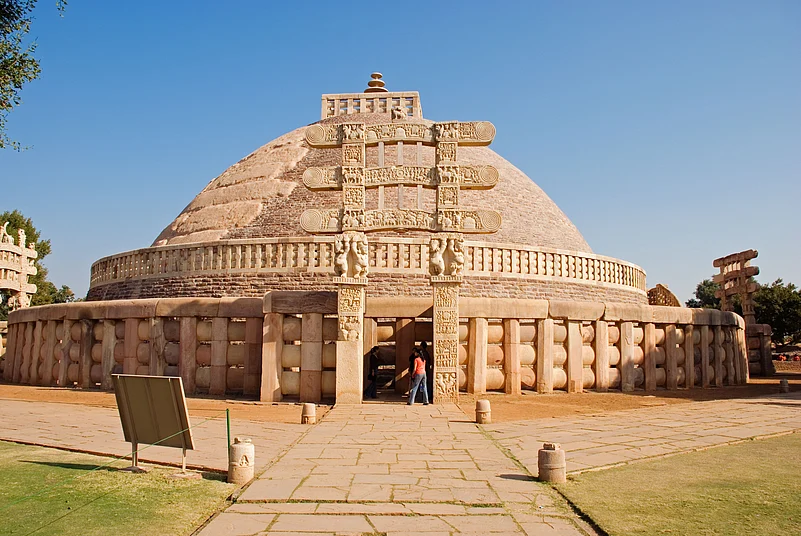
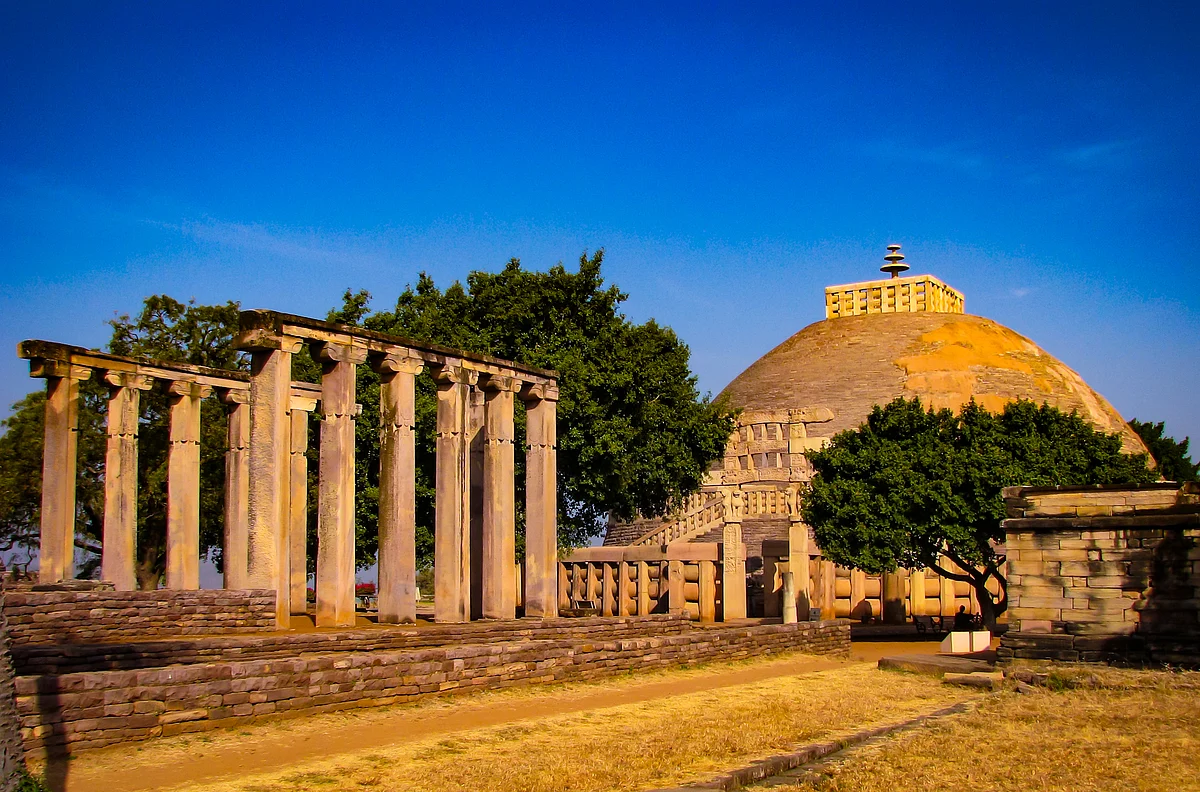
Sanchi stands as a cornerstone of Buddhist architectural history. The Great Stupa, originally commissioned by Emperor Ashoka, represents one of the earliest stone structures in India. Its carved gateways narrate stories from the life of the Buddha, his previous births, and the spread of Buddhist philosophy.
Unlike rock cut sites, Sanchi’s open architectural layout allows visitors to experience ritual space as it was intended, serene, symbolic, and contemplative. The site reflects how Buddhism once flourished at the heart of the subcontinent, influencing art, ethics, and governance.
How to reach: Located about 40 kilometres from Bhopal, it is easily accessible by road and rail.
FAQs
1. What are lesser-known UNESCO World Heritage Sites in India?
These are UNESCO-recognised sites that receive fewer visitors compared to popular landmarks like the Taj Mahal, offering quieter and more immersive heritage experiences.
2. Why should travellers explore lesser-known UNESCO sites in 2026?
They allow deeper engagement with history, culture and nature while avoiding crowds, making them ideal for thoughtful and responsible travel.
3. Are UNESCO World Heritage Sites in India only historical monuments?
No. India’s UNESCO list includes archaeological sites, living cultural landscapes, sacred forests and biodiverse national parks.
4. Do these sites require special permits or planning?
Some natural heritage sites, such as national parks in the Himalayas, require permits and advance planning, while most cultural sites are easily accessible.
5. What is the best time to visit UNESCO sites across India?
October to March is generally ideal for most sites, though Himalayan parks and forest landscapes are best visited during specific seasonal windows.