Pongal is one of the most important festivals in Tamil Nadu. Like most harvest festivals, it is a thank-you to Mother Nature and a prayer for a good harvest. The word “Pongal” means “to boil over” or “overflow,” a symbol of the abundance that comes with the harvest season. Celebrated over four days, Pongal marks the start of the harvest.
Pongal 2026 Dates
This year, the festival of Pongal is being celebrated from January 14 to 17. The Tamil Nadu government has declared public holidays on January 15 for Pongal, January 16 for Mattu Pongal and Thiruvalluvar Day, and January 17 for Kaanum Pongal and Uzhavar Thinam.
Significance And Rituals Of Pongal
Pongal is a four-day festival - each day carries a special meaning. The festivities begin with Bhogi Pongal which is dedicated to discarding old belongings and cleaning homes. This ritual of renewal symbolises letting go of the past, clearing the mind, and embracing a fresh start. Here is a look at the four days of Pongal and their significance and rituals.
Bhogi Pongal – Tuesday, January 13, 2026
The festival begins with Bhogi Pongal, a day of cleansing and renewal. One of the rituals is the burning of old and unused items in bonfires, an act that symbolises the letting go of the past and welcoming a fresh start.
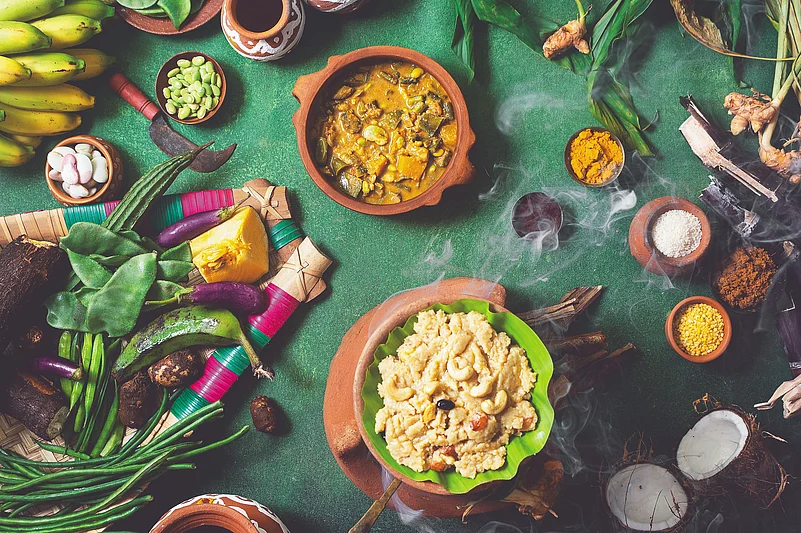

Surya or Thai Pongal – Wednesday, January 14, 2026
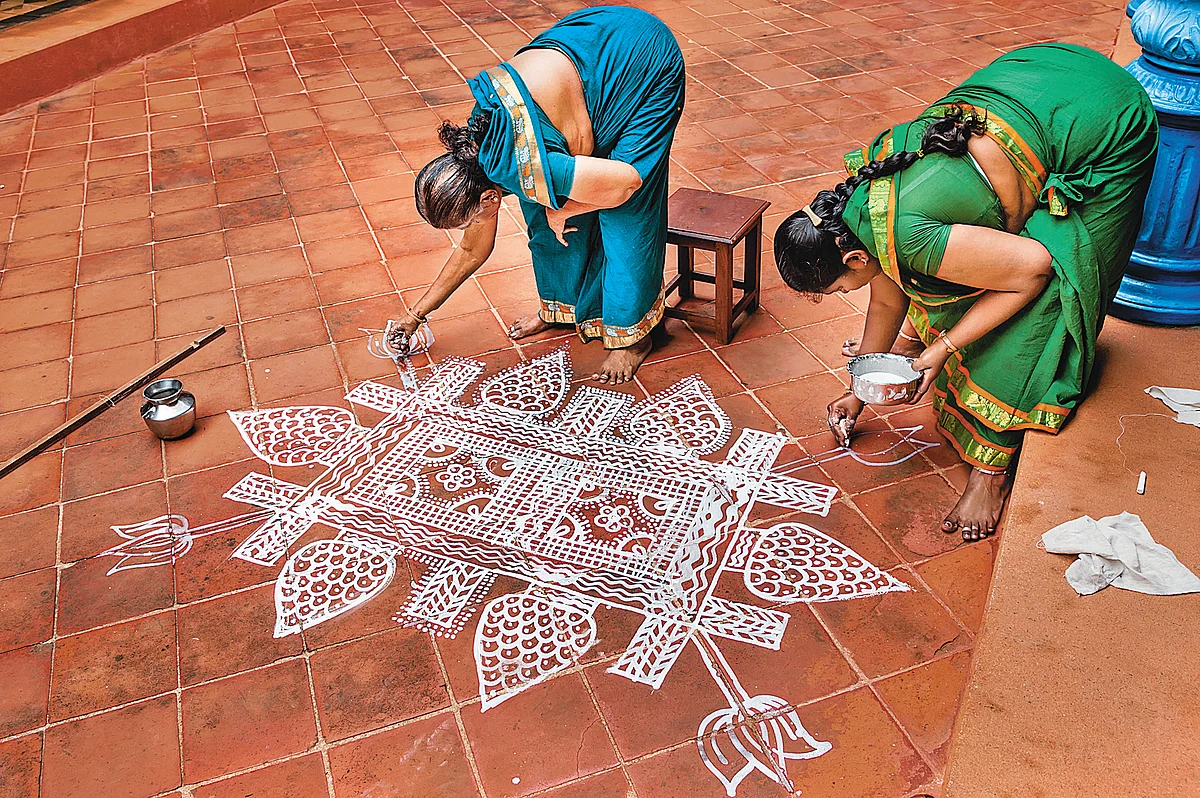
This is the main day of the festival. Thai Pongal is dedicated to the Sun God. Families rise early to prepare the special dish of the day, Pongal, which is made from freshly harvested rice, lentils, jaggery, and milk. It is cooked in earthen pots until it overflows. Homes are decorated with kolam, families dress in traditional clothes, and the Pongal dish is offered to the deities.
Mattu Pongal – Thursday, January 15, 2026
Mattu Pongal is a day when farmers honour their cattle as partners in farming. The animals are bathed, their horns are painted, and they are decorated with garlands. They also receive special treats.
Kaanum Pongal – Friday, January 16, 2026
The festival ends with Kaanum Pongal, a day for families to come together and enjoy cultural events. People celebrate, share meals, and pray for good health and prosperity.
Where It Pongal Celebrated
Pongal is primarily celebrated in Tamil Nadu, but it is also observed in neighbouring South Indian states like Karnataka, Andhra Pradesh, Kerala, and Puducherry, as well as by Tamil communities living outside India.
In Karnataka, festivities feature gobbemmalu (dung balls) and Ellu Bella (a sesame and jaggery dish). Some districts of Kerala, such as Thiruvananthapuram and Palakkad, also mark the harvest season with local customs.
Where To Stay And What To See In Tamil Nadu
To experience Pongal, Tamil Nadu is the place to be. Madurai offers traditional celebrations with temple visits, while Chennai provides a bustling city vibe with street food, shopping, and cultural activities.
In Thanjavur, the focus is on Mattu Pongal, with unique cow worship rituals held at the Brihadeeshwara Temple. In Coimbatore and Pollachi, you can combine the festivities with scenic countryside settings.
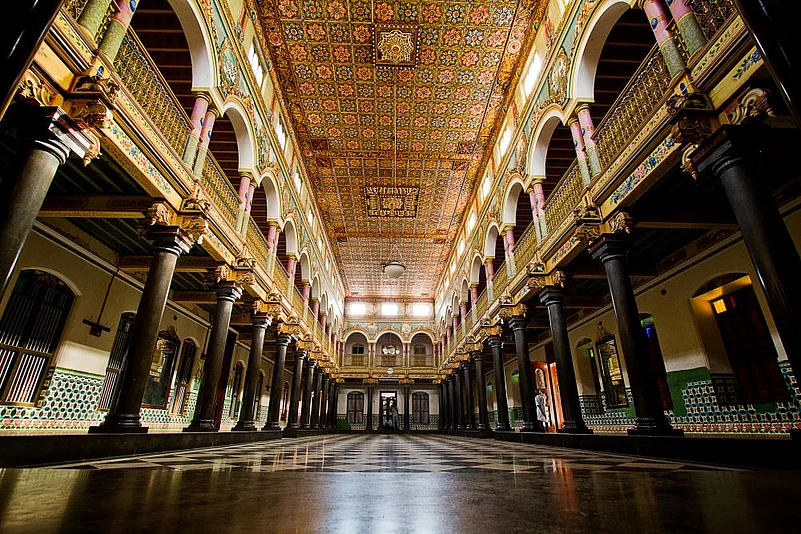
For a luxurious cultural stay in Tamil Nadu, Karaikudi in Chettinad offers heritage homes, and historic Tranquebar features charming coastal stays. Chennai has an interesting mix of heritage and luxury stays to book. For a hands-on rural experience, farm stays let visitors join village celebrations, cooking, and farm life. Book in advance as this is a popular time for visitors to Tamil Nadu.
Jallikattu: Tradition Under Controversy
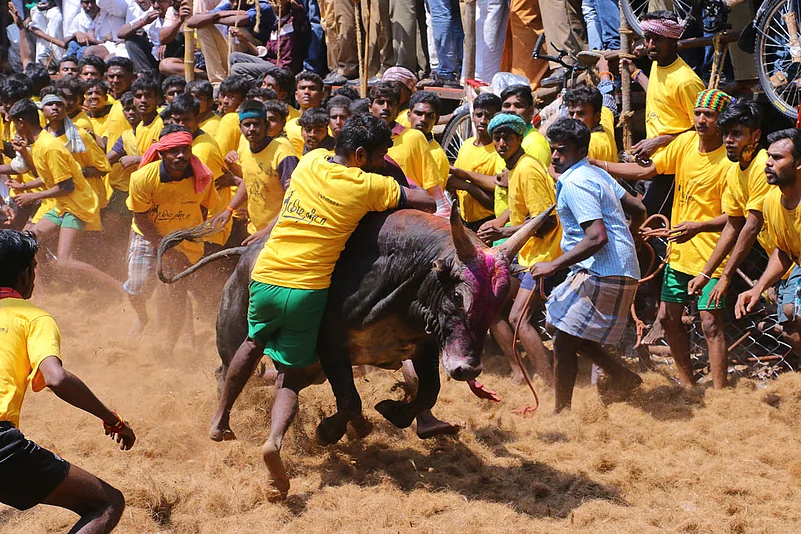
Jallikattu is a traditional bull-taming sport and an integral part of the Pongal festival in Tamil Nadu. It is observed on the third day, Mattu Pongal. Jallikattu has received criticism from various quarters. Activists and legal bodies have pointed to concerns about animal welfare and the risk of injury or death to both animals and humans. In 2006, the Madras High Court issued a ban on the ritual, which was followed by the Supreme Court in 2014. In 2017, Tamil Nadu passed an amendment designating Jallikattu as cultural heritage, which the Supreme Court upheld. Today, it remains legal under regulated conditions, with ongoing discussions over tradition and animal welfare.
FAQs
What is Pongal?
Pongal is a four-day harvest festival celebrated mainly in Tamil Nadu to thank the Sun God, nature, and cattle for a bountiful harvest.
When is Pongal celebrated in 2026?
Pongal 2026 is celebrated from 14 to 17 January, starting with Bhogi Pongal and ending with Kaanum Pongal.
What is the significance of Thai Pongal?
Thai Pongal, the main day, honours the Sun God and features cooking the sweet rice dish Pongal as a symbol of abundance and prosperity.
What is Mattu Pongal?
Mattu Pongal celebrates cattle, with cows and bulls bathed, decorated, and offered special treats for their role in farming.
Where is Pongal best experienced?
Tamil Nadu, especially rural areas around Madurai, Thanjavur, Pollachi, and Kumbakonam, offers the most authentic Pongal celebrations.