If there’s one thing currently dominating Instagram feeds, it’s matcha. Every third swipe reveals someone whisking vibrant green powder with a bamboo chasen, then sipping it with bliss. This digital takeover of Japanese green tea finally convinced me to try it. If I had to describe matcha in a line—it tastes like greenery in a cup.
Hōjicha Explained: How It Differs From Matcha And Where To Find It In Delhi
If you're already a matcha stan, you might want to give hōjicha, another variety of Japanese green tea, a shot

Advertisement
But if you’re already a matcha stan, you might want to give hōjicha, another variety of Japanese green tea, a shot. Though both come from the same plant, they differ in flavour, colour, caffeine content, and preparation.
Matcha vs Hōjicha: What Sets Them Apart?
While some casually refer to hōjicha as “black matcha” or “hōjicha matcha,” tea experts advise against it. The term hōji refers to the roasting process, and cha simply means tea.
The real difference starts with how they’re made. Both teas begin the same way: green tea leaves are steamed to stop oxidation and preserve the green colour.
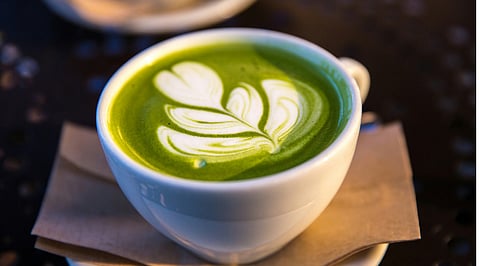
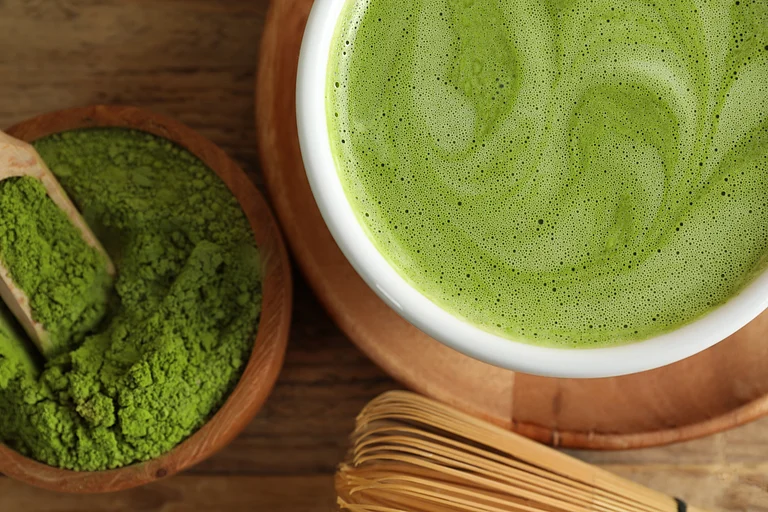
Matcha is prepared with warm water in a chawan. It is whisked using a bamboo stick called a chasen. Pexels
For matcha, the leaves are then stone-ground into a fine, vivid green powder.
Hōjicha, however, is roasted slowly over high heat, often using the leaves, stems, stalks, or twigs of the plant. This gives it a smoky, nutty flavour and a deep reddish-brown hue. Like matcha, it can be used as a powder or loose leaf.
Advertisement
Caffeine Levels And Flavour Profiles
One of the biggest differences is caffeine content. Hōjicha, made using parts of the plant naturally lower in caffeine, contains up to 20 times less caffeine than matcha. That makes it perfect for an evening wind-down, while matcha remains a beloved morning energiser.
Flavour-wise, matcha tastes grassy, vegetal, and sometimes bitter, especially when brewed with water that’s too hot. Hōjicha, on the other hand, is toasty, mellow, and sweet—often described as more approachable and comforting.
Preparation: Whisks, Bowls, And Beyond
Matcha is traditionally prepared in a chawan (tea bowl) with warm (not boiling) water, a strainer, and a bamboo whisk. Water above 80 degrees Celsius can make it overly bitter.
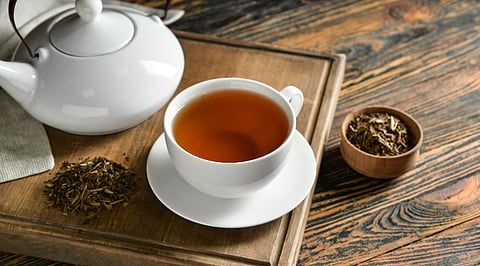
Hōjicha is a Japanese green tea that is different from matcha in its flavour and also in the way it is prepared Shutterstock
Hōjicha offers more flexibility. If you’re using the powdered form, it can be prepared similarly to matcha or whisked into a latte with your milk of choice. If you’re using loose leaves, it can be steeped like regular tea.
Advertisement
Where To Sip Hōjicha In Delhi NCR
Got Tea has eight outlets across Delhi NCR, serving both matcha and hōjicha in fun formats. Try a hōjicha latte, hot or iced, or go for the bubble tea version with tapioca pearls—vegan options included.
Fig at Malcha now offers ceremonial-grade hōjicha in partnership with Shark Tank-featured Glow Glossary. Their hōjicha latte—nutty, warm, and slightly sweet—comes with your choice of dairy or plant-based milk (almond, oat, coconut, or soy).
Nagai in Gurugram is another excellent spot. Their Japanese tea menu features hōjicha alongside sencha and genmaicha, offering a deep dive into traditional tea culture.
FAQs
1. What is hōjicha?
Hōjicha is a Japanese green tea made by roasting tea leaves, stems or twigs, giving it a distinctive nutty, smoky flavour and reddish-brown colour.
2. How is hōjicha different from matcha?
Unlike matcha, which is made from finely ground green tea leaves, hōjicha is roasted. It has a milder flavour, darker colour and significantly lower caffeine content.
Advertisement
3. Does hōjicha have less caffeine than matcha?
Yes. Hōjicha naturally contains much less caffeine than matcha, making it a popular choice for evenings or those looking for a gentler tea.
4. Where can I try hōjicha in Delhi NCR?
You can enjoy hōjicha at Got Tea outlets across Delhi NCR, Fig at Malcha in New Delhi, and Nagai in Gurugram.
5. Can hōjicha be made as a latte?
Yes. Powdered hōjicha is commonly whisked into hot or iced lattes with dairy or plant-based milk, while loose-leaf hōjicha is brewed like traditional tea.
Published At:
Tags