Travel has always shifted with the times, but the words we use to describe it seem to change even faster. Once upon a time, travelling meant a “holiday” or a “trip.” Now it might mean disappearing into a forest, working remotely from a coastal village, or drifting across countries without a fixed plan. As the way we move evolves, so does the language we reach for to explain why we do it.
Travel Has A New Dictionary: 8 Words You Must Know
Travel has evolved, and so has its vocabulary. Discover 8 fresh words that capture wanderlust, nature, whimsy, and the thrill of the unknown

Advertisement
Today’s travel vocabulary isn’t just about destinations or transport. It speaks to emotions, identities, digital habits and even philosophy. These words acknowledge that travel is no longer simply a break from real life; for many people, it is real life. It can reshape priorities, stretch empathy and, every now and then, quietly change who you are.
Below are eight words—some old, some newly coined, some dusted off and given fresh relevance—that are redefining how we think about travel today. You may recognise yourself in more than one of them.
Friendcation
Lockdown separated people not just from places, but from their chosen families. Friendcations became the long-overdue reunion tour. These trips were about reconnecting in real life—often within carefully planned bubbles—whether in rented villas, private safari lodges or small-group adventures. There was no single template: wine regions for some, national parks for others, beaches for those who just wanted to celebrate being together again. What mattered was the shared laughter, the unfiltered conversations and the comfort of travelling with people who had seen you through the strange bits. After years of glitchy video calls and postponed birthdays, nothing felt more restorative.
Advertisement
Nemophilist
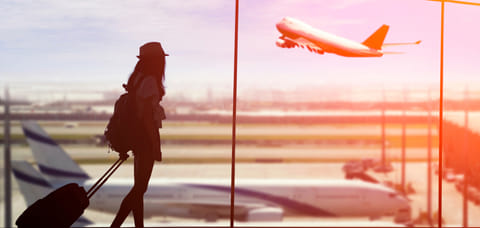
Moments that define how we experience the world Shutterstock
A nemophilist is someone who loves forests—not casually, but deeply. The word comes from the Greek nemos, meaning grove, and it has found new relevance as nature-based travel grows in popularity.
Unlike hikers or wildlife spotters, nemophilists aren’t chasing achievements or sightings. They’re after atmosphere: filtered light through branches, the smell of damp earth, the particular silence that only trees provide. Travel companies now cater directly to this urge, offering forest bathing in Japan, woodland cabins in Scandinavia and guided walks through ancient rainforests in India.
Picture someone choosing an oak-lined trail over a crowded viewpoint, willingly giving up phone signal for birdsong. That’s a nemophilist—someone whose idea of travel points firmly away from cities and straight towards the trees.
Vaccication
Travellers discovering new journeys and meanings Unsplash
A vaccication is the celebratory trip booked the moment your second jab settled in and the world felt, tentatively, open again. Unlike the early-pandemic “coronacations” (working from childhood bedrooms in pyjamas), vaccications were deliberate and indulgent. For some, the appeal was finally seeing bucket-list destinations without the crowds. For others, it was the small but oddly triumphant act of presenting vaccination proof at the airport. Of course, travel came with new rituals—PCR tests, health forms, masks in every pocket—but after a year indoors, even admin felt like progress. Paperwork, it turned out, could be strangely glamorous.
Advertisement
Revenge Travel
At heart, revenge travel comes from a very human place: frustration, restlessness and the stubborn urge to make up for lost time. Months of cancelled flights, missed milestones and staring at the same four walls left people mentally travelling long before they physically could. So when borders finally creaked open, restraint went out the window. Weekend city breaks were replaced with once-in-a-lifetime trips—safaris, long-haul treks, far-flung islands. Travel companies noticed the shift immediately: longer stays, bigger budgets and a shared mentality of “if we’re doing this, we’re doing it properly”. It wasn’t just about escape. It was about reclaiming joy, autonomy and a sense of possibility. Travel became a quiet act of defiance—and a reminder that living well has always been the most satisfying form of revenge.
Gramping
As older generations were vaccinated first in many places, an unexpected travel trend gained momentum: gramping, or skip-generation holidays. Grandparents began taking grandchildren away while parents stayed home, quietly revelling in the novelty of an empty house. It was a neat solution to a tangle of problems—school holidays, limited annual leave, work burnout and long-missed family time. For children, it meant adventure. For grandparents, it meant memories. For parents, it meant silence and maybe a full night’s sleep. From safari lodges to seaside resorts, bookings reflected a simple truth: family travel doesn’t always require the entire family.
Advertisement
Schoolcation
If parents could work remotely, why couldn’t children learn remotely too? Schoolcations took shape as families blended travel with online schooling. Lessons happened in the mornings, adventures in the afternoons. Between tide pools, bush walks and game drives, children often seemed more engaged than they ever were under fluorescent classroom lights. Hotels and lodges adapted quickly, offering quiet study spaces, reliable Wi-Fi and nature-based learning experiences. It turned out that fresh air and curiosity were excellent teaching tools.
Always OOO
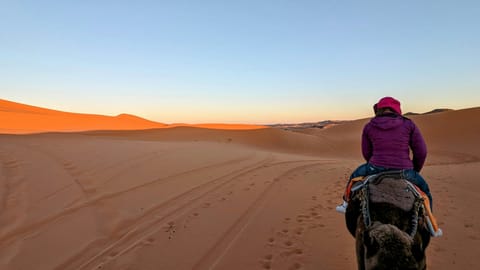
Exploring the hidden corners of the world and the words that give them shape, meaning, and magic Unsplash
The pandemic rewired our relationship with work almost overnight. Offices became optional, commutes nostalgic, and the idea of working from anywhere suddenly plausible. Enter the “Always OOO” crowd—people answering emails from mountain cabins, coastal cottages or sun-washed terraces. For seasoned digital nomads, it was validation. For newly remote workers, it felt like discovering a loophole. Employers, too, began to see that productivity wasn’t tied to desks, as long as the Wi-Fi was decent and the coffee strong. Work-life balance stopped being about hours and started being about geography.
Advertisement
Solomoon
Part honeymoon, part solo retreat, the solomoon challenged long-held assumptions about how romance should look. With weddings postponed and priorities reassessed, many travellers chose to celebrate themselves instead. Solo travellers booked beautiful hotels, enjoyed slow dinners, spa days and itineraries designed without compromise. For couples who had spent lockdown sharing both living space and home offices, time apart was sometimes the healthiest choice of all. Honeymoons didn’t disappear; they diversified—buddymoons, friendmoons and solomoons all found their place, proving that love and travel rarely follow neat rules.
FAQs
1. What are pandemic travel trends, really?
They’re less about buzzwords and more about how people responded emotionally to long periods of restriction—seeking freedom, connection, nature and flexibility once travel became possible again.
2. Is “revenge travel” still relevant now?
Yes, though it has mellowed. The urgency has softened, but longer trips, higher spending and a preference for meaningful experiences remain clear legacies of that period.
Advertisement
3. Did remote work permanently change how people travel?
Absolutely. Flexible working normalised longer stays, workcations and travel outside traditional holiday windows—changes that continue to reshape when and how people move.
4. Why did nature-based travel become so popular?
After years indoors and online, forests, national parks and open spaces offered calm, perspective and a break from digital overload—needs that haven’t gone away.
5. Are these trends just fads or long-term shifts?
While the terminology may fade, the behaviours—slower travel, blended work and holidays, prioritising wellbeing—are likely to endure well beyond the pandemic years.
Published At: