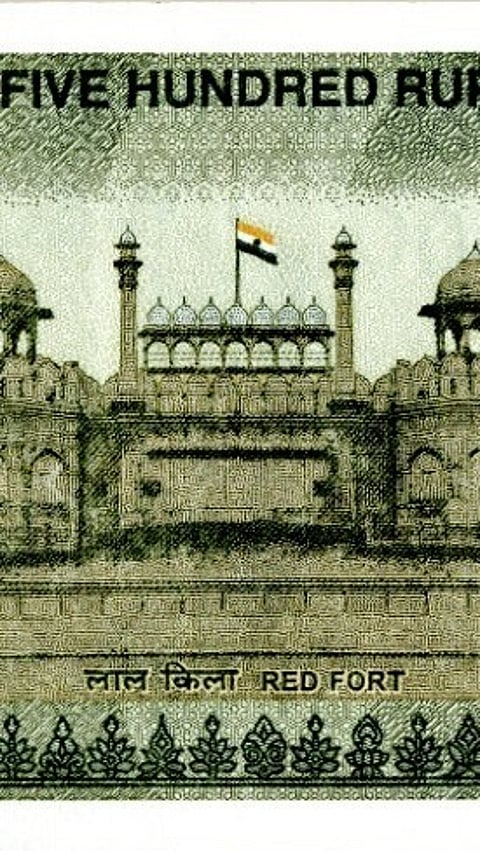
Red Fort, Delhi (INR 500)
A UNESCO World Heritage Site, the Red Fort symbolises India's rich Mughal history and was the site of India's first Independence Day address by Jawaharlal Nehru in 1947.

A UNESCO World Heritage Site, the Red Fort symbolises India's rich Mughal history and was the site of India's first Independence Day address by Jawaharlal Nehru in 1947.
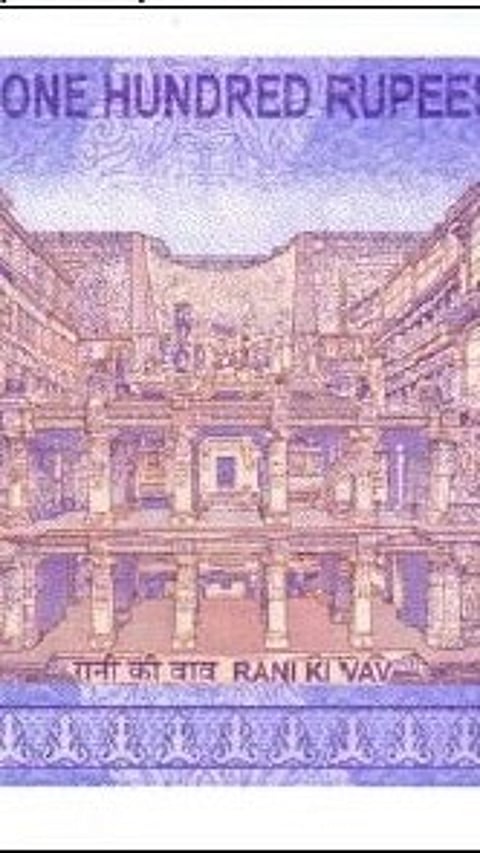
This intricately carved stepwell in Patan dates back to the 11th century and exemplifies the Maru-Gurjara architectural style, celebrating water conservation and the artistic legacy of Gujarat’s Solanki dynasty.
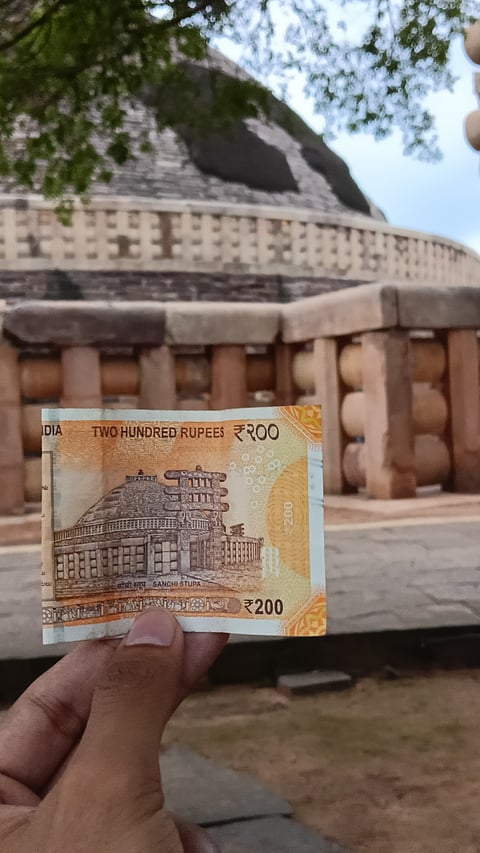
Built during Ashoka’s reign in the 3rd century BCE, the Sanchi Stupa is India’s oldest stone structure and a major symbol of early Buddhist architecture and spiritual heritage.
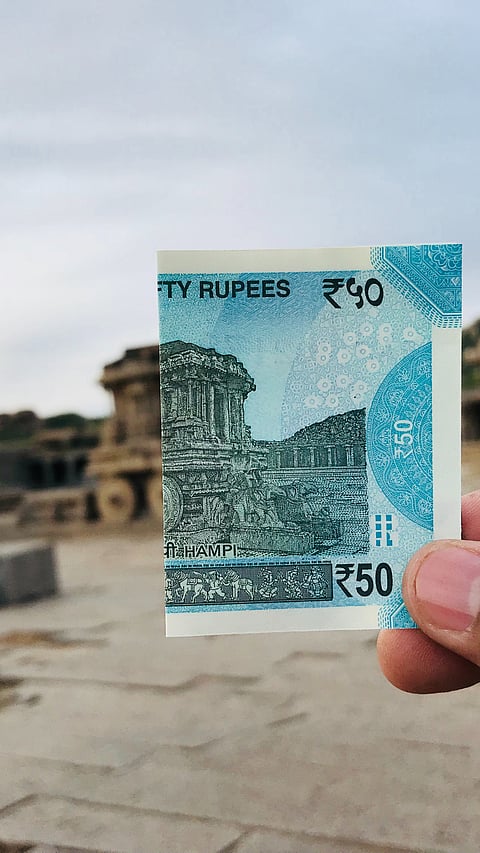
A mediaeval city of the Vijayanagara Empire, Hampi's surreal boulder-strewn landscape and temple ruins reflect the grandeur of South India’s golden era and remain a major pilgrimage site.
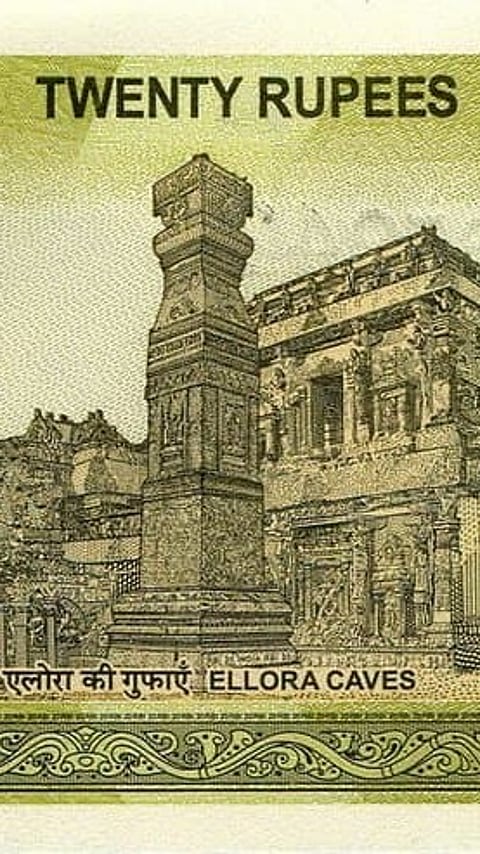
These UNESCO-listed rock-cut caves represent a confluence of Buddhist, Hindu, and Jain faiths. They were carved between the 6th and 10th centuries, showcasing ancient India's artistic and religious unity in diversity.
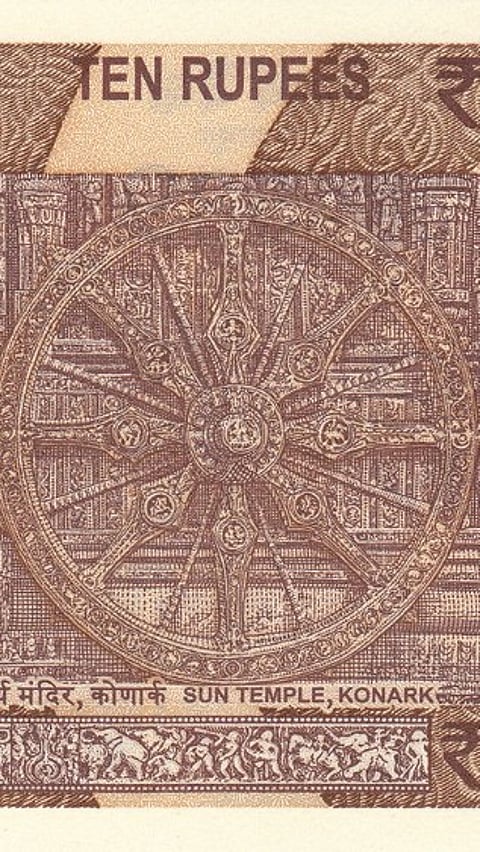
This 13th-century chariot-shaped temple dedicated to Surya (the Sun God) is an architectural marvel with intricate stone carvings, reflecting the zenith of Kalinga temple artistry and astronomical significance.