Nepal often sits quietly next to India on travel wish lists, overshadowed by bigger, farther destinations. Yet this small Himalayan country offers an incredible variety of experiences within short distances. In a single week, you can walk through centuries-old temple squares, watch the sun rise over some of the world’s tallest mountains, sip coffee beside a lake in a laid-back mountain town, and then head into dense forests where rhinos roam.
A Week In Nepal: A Complete Travel Guide From Kathmandu’s Temples To Chitwan’s Jungles
Planning a week in Nepal? This itinerary covers Kathmandu’s heritage sites, Pokhara’s lakeside charm, and wildlife safaris in Chitwan

Advertisement
For Indian travellers, Nepal is also wonderfully accessible. There is no visa requirement, flights from major cities are short, and the cultural familiarity makes it easy to settle in quickly. But the country still feels different enough to be deeply memorable. The architecture, the monasteries, the mountains looming in the distance—everything carries a distinct sense of place.
With thoughtful planning, a week is enough to experience Nepal’s highlights without rushing too much. This itinerary moves through Kathmandu, Pokhara, and Chitwan National Park, giving travellers a balanced introduction to the country’s culture, landscapes, and wildlife.
Day 1: Arrival In Kathmandu
Kathmandu rarely feels calm, and that is part of its character. The city is dense with temples, shrines, tangled streets, and the constant movement of people. After landing at Tribhuvan International Airport, most travellers head straight to Thamel. This neighbourhood has long been the centre of tourism in Kathmandu. Narrow lanes are lined with trekking stores, cafés, bakeries, music bars, and small shops selling handicrafts. It’s a good place to settle in after the journey. Walk slowly. Stop for tea. Watch the mix of backpackers, monks, and locals passing by. By evening, Thamel’s streets glow with lights and the smell of food drifting out from busy kitchens.
What to do:
Check into a hotel in Thamel
Walk through the neighbourhood’s shops and markets
Try Nepali favourites like momos and dal bhat
Exchange currency or withdraw Nepalese rupees
Advertisement
Day 2: Discovering Kathmandu Valley’s Heritage Sites

Kathmandu Valley alone is home to several UNESCO World Heritage Sites Meghraj Neupane/Unsplash
Kathmandu Valley has many old monuments, and some are UNESCO World Heritage Sites. Begin your day at Pashupatinath Temple, a very holy Hindu place. You can see rituals by the Bagmati River, and the temple is full of religious activity. Near there is Boudhanath Stupa, one of the biggest Buddhist stupas around. People turn prayer wheels, monks walk slowly, and you can smell incense. Later, go to Patan Durbar Square, a royal courtyard with temples and palaces that's been kept in good shape. Finish the day at Swayambhunath, a stupa on a hill known as the Monkey Temple, which offers great views of the valley.
What to see:
Pashupatinath Temple
Boudhanath Stupa
Patan Durbar Square and Patan Museum
Swayambhunath Stupa for sunset views
Day 3: Travel To Pokhara & Spend Time By The Lake
Going from Kathmandu to Pokhara means a switch to a more relaxed speed. It's a quick flight, about 25 minutes, and you can often see amazing views of the Himalayas. If you drive, it takes longer, but you'll pass rivers, small towns, and pretty green hills. Pokhara is way more chill than Kathmandu. The town is next to Phewa Lake, and when the weather's good, you can see mountains in the background. Lakeside is the main spot for tourists. There are cafes, people drinking coffee, and colourful boats by the lake. You could take a walk by the lake in the afternoon or just relax and watch the light change on the hills.
What to do:
Take a boat ride on Phewa Lake
Visit Tal Barahi Temple on the lake island
Walk along the Lakeside promenade
Watch the sunset by the lake
Advertisement
Day 4: Sunrise At Sarangkot And Exploring Pokhara
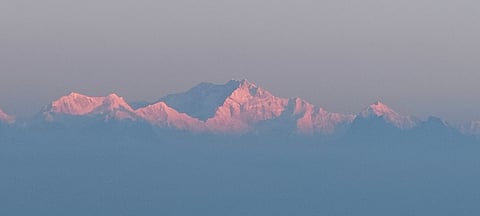
(Repreentational Image) Watch the sunrise in Pokhara Anwesha Santra
Pokhara offers superb morning views. A quick trip to Sarangkot gets you to a well-known viewpoint. At sunrise, the Annapurna range lights up, with Machhapuchhre's peak visible against the sky. A cloudy day still makes for a special moment. Back in town, you can see Pokhara’s other sights. The World Peace Pagoda, located above the lake, has wide views of the valley. Close by, Devi’s Falls flows into an underground channel, and Gupteshwar Cave is situated just across the road.
What to see:
Sunrise views from Sarangkot
World Peace Pagoda
Devi’s Falls
Gupteshwar Cave
Day 5: Journey To Chitwan National Park
As you head south in Nepal toward the Terai plains, the scenery changes a lot. The road takes you from mountains into warm forests and fields. Chitwan National Park is a famous place to see animals. It keeps safe thick jungles where many kinds of creatures live. People who visit often stay in lodges by the forest or the Rapti River. Life here is calm and simple. Near the park are Tharu villages where you can watch dances that tell stories about local ways.
What to do:
Travel from Pokhara to Chitwan by road or flight
Check into a jungle lodge or eco-resort
Visit a Tharu village
Watch a traditional Tharu dance performance
Advertisement
Day 6: Safari In Chitwan’s Wild Landscapes
A visit to Chitwan is really about seeing the forest. Safaris guided by experts take you through grasslands, along rivers, and into wooded places where animals live well. The park is most famous for its one-horned rhinos; you can often see them eating grass. Crocodiles rest near the rivers, and deer walk quietly in the woods.
A canoe ride along the Rapti River is a peaceful way to observe birds and reptiles. Jeep safaris cover larger areas of the park, increasing the chances of spotting rare animals, including the Bengal tiger.
What to do:
Jeep safari inside the national park
Canoe ride on the Rapti River
Guided jungle walk with a naturalist
Wildlife spotting including rhinos, deer, and crocodiles
Day 7: Return To Kathmandu
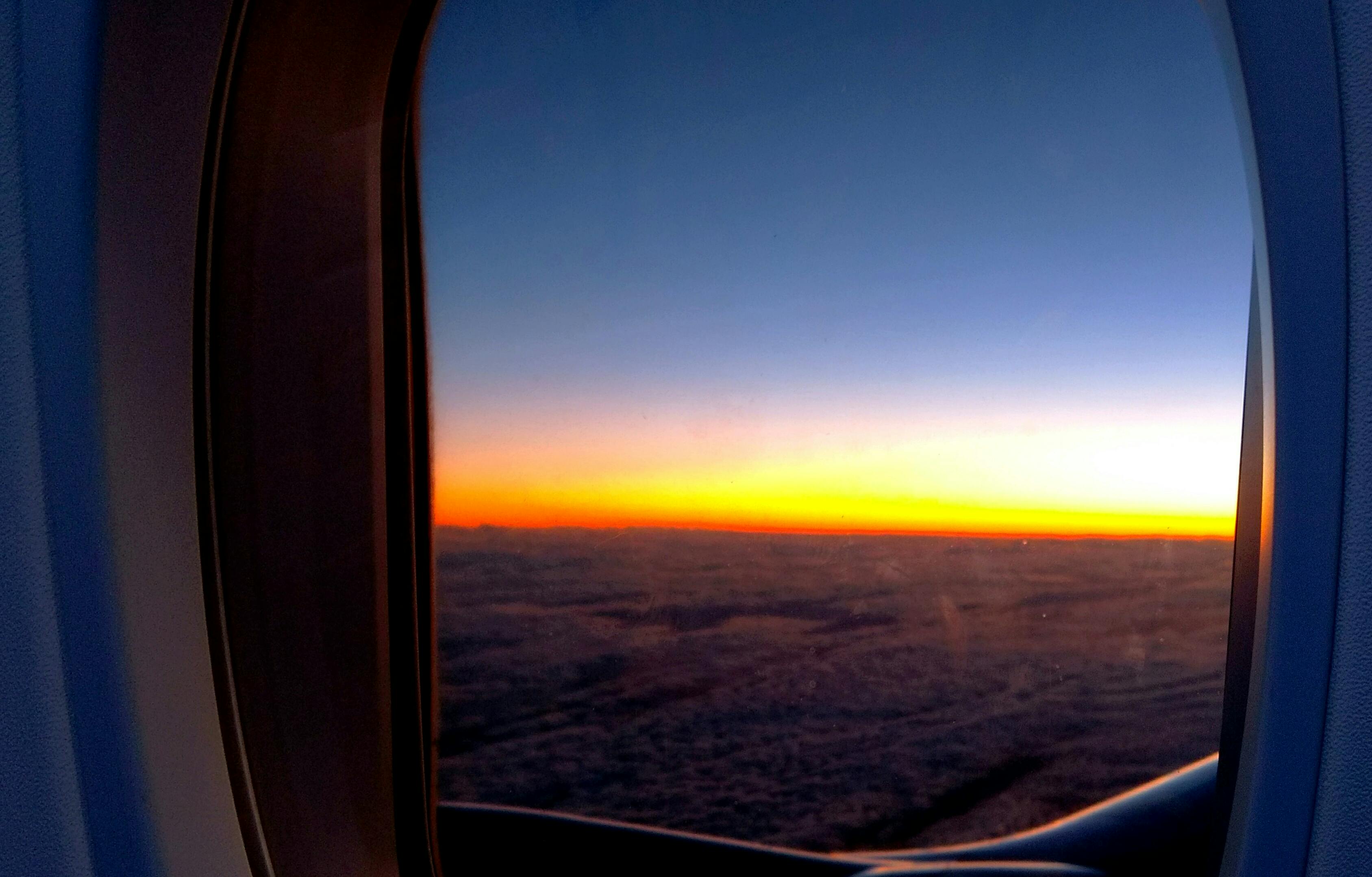
Domestic flights help travellers move quickly between Kathmandu, Pokhara, and Chitwan Pexels
The final day usually begins with a flight from Bharatpur Airport near Chitwan back to Kathmandu. If the schedule allows, there is often time for one last stroll through Thamel before leaving Nepal. The neighbourhood is full of small shops selling handmade goods—singing bowls, prayer flags, pashmina scarves, and trekking gear. Cafés and bakeries make good stops for a final meal before heading to the airport. A week passes quickly here. Yet within those few days, travellers experience temples, mountain views, lakes, and forests—an impressive glimpse into Nepal’s many sides.
What to do: (before departure)
Fly back to Kathmandu from Chitwan
Buy souvenirs in Thamel market
Enjoy a final Nepali meal
Transfer to Tribhuvan International Airport
Advertisement
A Week In Nepal
Seven days cannot cover everything Nepal has to offer. But it is enough to understand why so many travellers return. The country moves easily from city streets to mountain towns and then into thick jungle landscapes. Culture, nature, and everyday life sit close together here. For first-time visitors, this itinerary through Kathmandu, Pokhara, and Chitwan offers a meaningful introduction to Nepal, which will stay with you for a lifetime.
FAQs
1. Is one week enough to explore Nepal?
Yes. A week is enough to visit Kathmandu, Pokhara, and Chitwan National Park, offering a mix of culture, mountain views, and wildlife experiences.
2. Do Indian travellers need a visa to visit Nepal?
No. Indian citizens do not require a visa to enter Nepal but must carry a valid government-issued ID such as a passport or voter ID.
3. What is the best time to visit Nepal?
October to November and March to April are ideal, with clear skies, pleasant weather, and good visibility for mountain views.
Advertisement
4. How do travellers usually move between Kathmandu, Pokhara, and Chitwan?
Domestic flights are the fastest option, but tourist buses and private vehicles are also commonly used for intercity travel.
5. What currency is used in Nepal and can Indian rupees be used?
Nepal uses the Nepalese Rupee (NPR). Indian rupees are accepted in many places, though higher denominations may have restrictions.
Published At: