Situated near Chhatrapati Sambhajinagar in Maharashtra, Paithan, historically known as Pratishthan, is an ancient city in Maharashtra, India, located on the banks of the Godavari River. As the capital of the Satavahana dynasty (2nd century BCE–2nd century CE), it is a major centre for history, spirituality (as the birthplace of Saint Eknath), and the iconic, handwoven Paithani silk sarees.
Paithan: The Timeless Town of Silk and Saints
Situated on the banks of the Godavari River in Maharashtra, Paithan is an ancient city known for its Satavahana heritage, spiritual legacy and exquisite Paithani silk sarees that have endured for over two millennia

Advertisement
Things To Do And See
Walk Through an Ancient Capital
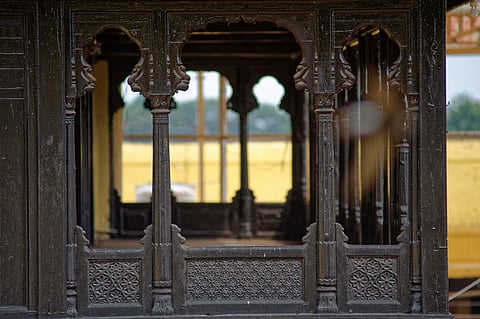
Paithan rewards travellers who enjoy history revealed slowly Satish Parashar/Shutterstock
Once the capital of the powerful Satavahana dynasty, Paithan in Maharashtra rewards travellers who enjoy history revealed slowly. Strolling through the town, it is easy to imagine its past as a bustling hub on the Dakshinapath, the ancient southern trade route linking northern India to the Deccan and beyond. Roman trade connections, early coinage and references in classical texts point to Paithan’s importance in shaping regional commerce and culture. While much of this history lies beneath modern streets, local landmarks and riverbanks still echo the rhythms of an ancient city that thrived on the exchange of goods, ideas and belief systems.
Explore Threads of Heritage
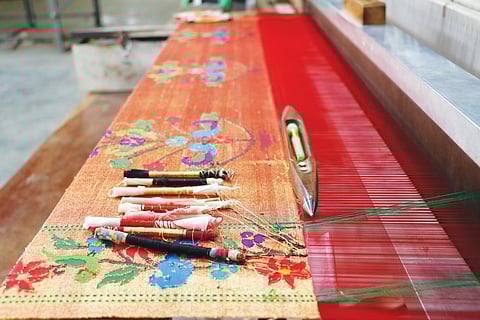
Weaving a Paithani saree Rashmi Kale/Shutterstock
Paithan is a town whose identity is inseparable from the legendary Paithani saree—one of India’s oldest surviving handloom traditions. No visit to Paithan is complete without encountering its most celebrated legacy: the Paithani saree. Visit weavers’ homes and workshops to see this painstaking craft up close, where silk threads and gold or silver zari are transformed into these treasured textiles. Revered for their luminous silk and distinctive use of pure gold or silver zari, Paithani sarees are woven with intricate motifs inspired by birds, flowers and animals. The craft’s origins stretch back over 2,000 years to the Satavahana dynasty, when Paithan was a thriving centre of trade with far-flung regions, including the Roman Empire. In Paithan, weaving remains a deeply familial occupation, with skills passed down through generations. Depending on the intricacy of the design, a single saree can take anywhere from a month to a year to complete.
Advertisement
Explore Paithan’s Spiritual Heart
Revered as Sant Nagari, Paithan has long been a centre of spiritual life in Maharashtra. The Eknath Maharaj Temple, marking the samadhi of the 16th-century saint-poet Eknath, draws pilgrims throughout the year. Nearby, the Nath Mandir and the annual Nath Sashti festival add to the town’s devotional calendar, filling streets with processions, music and prayer. Visitors are welcome to observe rituals, listen to devotional singing and experience a way of life shaped by faith, philosophy and the Bhakti tradition’s emphasis on humility and social harmony.
Visit the Shri Balasaheb Patil Government Museum
For a deeper understanding of Paithan’s layered past, spend time at the Shri Balasaheb Patil Government Museum. Its collection traces the town’s long history through coins, sculptures, terracotta figures and everyday objects unearthed from archaeological sites. These artefacts provide tangible links to Paithan’s evolution—from an ancient trading capital to a medieval spiritual centre.
Unwind by the Godavari at Jayakwadi
Advertisement

The banks of Godavari river in Paithan AnilD/Shutterstock
A short distance from town lies the Jayakwadi Dam, also known as Nath Sagar, built across the Godavari River. One of Maharashtra’s most significant engineering projects, the vast reservoir offers a change of pace from Paithan’s narrow lanes and temples. Visit in the early morning or at sunset, when the water reflects shifting colours and migratory birds gather along the edges. Nearby, the Sant Dnyaneshwar Garden—modelled on the Vrindavan Gardens—provides landscaped walks, fountains and viewpoints, making it a pleasant stop for families and travellers seeking a quieter, scenic interlude.
Nearby Attractions
Jayakwadi Bird Sanctuary – Located near the dam, this sanctuary is a haven for birdwatchers, with a variety of local and migratory species amidst scenic wetlands.
Ellora Caves – UNESCO-listed rock-cut caves near Aurangabad, famed for intricate carvings spanning Buddhist, Hindu and Jain traditions.

The Ellora Caves are a UNESCO-listed site Wiki Commons
Ajanta Caves – World-renowned Buddhist cave monuments featuring exquisite murals and sculptures dating back to the 2nd century BCE.
Advertisement
Bibi Ka Maqbara – Known as the ‘Taj of the Deccan,’ this stunning mausoleum echoes Mughal grandeur amidst well-maintained gardens.
Daulatabad Fort – A formidable 14th-century hill fort near Aurangabad, rich in history, legends and panoramic views of the surrounding region.
Getting There
Paithan is just 50 km from Aurangabad, making it easily accessible by air, rail or road. Aurangabad Airport (IXU) and Aurangabad Railway Station (AUR) connect the town to major cities, while local halts like Lasur offer closer access. Regular state buses and private taxis run from Aurangabad, Ahmednagar (90 km) and Beed (85 km). Once in town, exploring on foot is the best way to soak in the weaving workshops, temples and riverside charm.
Best Time to Visit
The best time to visit is during the winter months, from November to February, when the weather is cool and pleasant for exploring.
FAQs
Where is Paithan located?
Paithan is situated near Chhatrapati Sambhajinagar in Maharashtra, on the banks of the Godavari River.
Advertisement
What was Paithan known as in ancient times?
Paithan was historically known as Pratishthan and served as the capital of the Satavahana dynasty between the 2nd century BCE and 2nd century CE.
Why is Paithan historically important?
It was a major trading hub on the ancient Dakshinapath route, with links to the Roman Empire, and played a key role in shaping regional commerce, culture and early coinage.
What is special about Paithani sarees?
Paithani saree is one of India’s oldest surviving handloom traditions, known for its luminous silk and intricate motifs woven with pure gold or silver zari.
Why is Paithan called ‘Sant Nagari’?
Paithan is known as Sant Nagari because it is the birthplace of the 16th-century saint-poet Eknath and remains an important spiritual centre.

Published At:
Tags