Diwali was once celebrated with the soft glow of traditional earthen lamps (diyas), music, and family gatherings, with fireworks used sparingly and made from simpler, less toxic ingredients like charcoal and sulfur. Today, Diwali is one of the world’s most pollution-triggering festivals. The heavy use of modern fireworks causes dangerous spikes in air pollution, with PM2.5 and PM10 levels soaring 8–9 times above safe limits, and five times higher PM10 and sulfur dioxide levels in many cities. Diwali fireworks release toxic heavy metals such as lead, cadmium, copper, and zinc, which linger for days due to cooler temperatures and low wind during autumn, worsening already poor air quality in many cities.
A Festival of Light, Not Smog: 7 Ways To A Cleaner, Greener Diwali
From air pollution to plastic waste, Diwali celebrations have become increasingly harmful. But it doesn’t have to be that way. Here's how you can enjoy a vibrant, meaningful, and sustainable Diwali—full of light, not waste

Advertisement
Noise pollution during Diwali is also severe, with firecracker sounds reaching 100–125 decibels (dB), far exceeding the safe hearing limit of 85 dB, causing stress to humans and animals alike. Many people post distressing news about their pet running away from home or dying from trauma. This shift has turned Diwali from a festival of light and togetherness into an event posing serious health risks, including respiratory and cardiovascular problems, noise-induced stress, and environmental damage from chemical pollutants.
This shift has turned Diwali from a festival of light and togetherness into an event posing serious health risks, including respiratory and cardiovascular problems, noise-induced stress, and environmental damage from chemical pollutants. It’s time for people to move away from this toxic version of Diwali and embrace a gentler celebration—one filled with grace and respect for the health of people and animals, and the environment. Here are seven ways to have a green Diwali, allowing you to celebrate the festival of lights joyfully without causing harm.
Advertisement
Ditch The Firecrackers
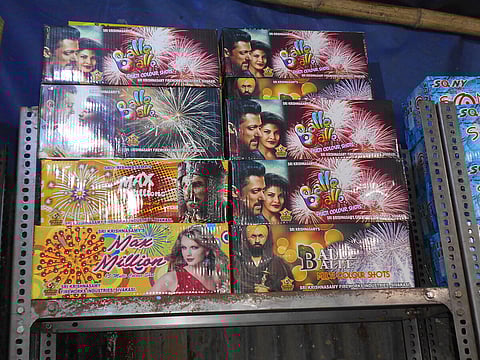
Beyond health and environmental issues, the firecracker industry faces serious ethical concerns, with child labour still prevalent Indrajit Das/Wiki Commons
The loud noise and thick smoke from firecrackers cause severe air and noise pollution, harming people, pets, and the environment. Air pollution from firecrackers releases toxic gases and tiny harmful particles that can trigger respiratory problems, worsen heart conditions, and even cause neurological damage, especially in children. Noise pollution disrupts sleep, causes stress, and can damage hearing. Firecracker waste also pollutes soil and water. Beyond health and environmental issues, the firecracker industry faces serious ethical concerns, with child labour still prevalent despite legal bans. With about 90 percent of India’s fireworks produced there, thousands of children work under hazardous conditions. To celebrate responsibly, opt for safer alternatives like paper confetti, laser shows, or traditional drums and bells. For those who want the “cracker” feel, biodegradable plantable crackers infused with seeds offer an eco-friendly option.
Light Up With Eco-Friendly Illumination
Illuminate your home with eco-friendly, sustainable options instead of energy-heavy string lights. Traditional clay diyas offer a warm, gentle glow while supporting local artisans; they are economical, reusable, and reduce electricity use. Natural candles made from beeswax, soy, or other organic materials provide a safer, plastic-free alternative. For a creative touch, try homemade lanterns crafted from recycled jars, bottles, or coloured paper.
Advertisement
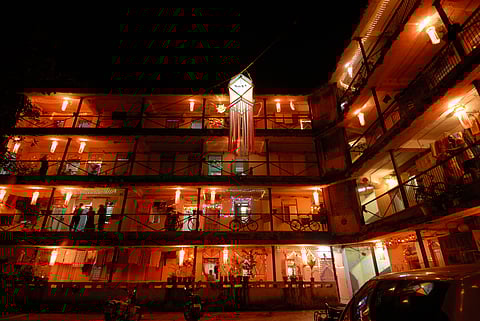
Kandeels are a big part of Diwali celebrations Shutterstock
In several parts of India, like Maharashtra and Goa, people use beautiful traditional lanterns called kandeels. These lanterns symbolise the victory of light over darkness, bringing happiness and hope. Families hang kandeels outside their homes—often shaped like crystals or stars—as a meaningful part of Diwali celebrations. Making or buying a kandeel is a cherished tradition that not only prepares homes for the festival of lights but, in some regions, also honours the memory of ancestors.
For outdoor lighting, solar-powered lights are an excellent choice—they don’t require electricity and recharge using sunlight. These options help create a beautiful, sustainable Diwali that honours tradition while protecting the environment.
Create Natural, Biodegradable Rangolis
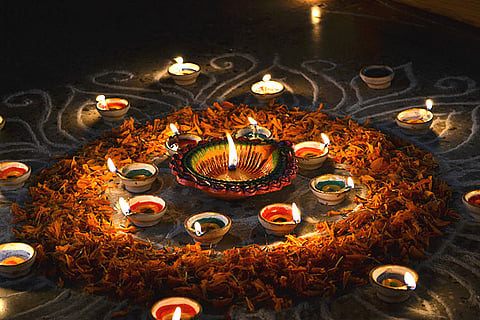
Ditch the chemical rangoli powders Shutterstock
Swap synthetic chemical rangoli powders during Diwali—which can irritate the skin and harm the environment—for natural, eco-friendly alternatives. Use fresh or dried flower petals from marigolds, roses, jasmine, and other blooms to create colourful, fragrant designs. For powdered rangoli, start with a white base using rice flour and add colour using natural ingredients: turmeric for yellow, coffee powder for brown, spinach powder for green, and beetroot powder for red. These options are safe, biodegradable, and just as vibrant—perfect for a festive yet environmentally conscious Diwali.
Advertisement
Craft Your Own Decorations From Recycled Materials
Get creative by upcycling what you already have—glass jars and bottles can be transformed into beautiful lanterns or candle holders with a bit of paint, twine, or fabric scraps. Colourful cloth remnants, old dupattas, or sarees can be repurposed into reusable torans and garlands to brighten doorways. You can also craft unique homemade lanterns from recycled paper, magazines, or newspapers. These thoughtful, sustainable decorations add charm and meaning to your celebration—without harming the planet.
Give Thoughtful, Eco-Friendly Gifts

Gift a treasure from the vast array of handicrafts that India offers Shutterstock
The tradition of exchanging gifts is a cherished part of Diwali—but it can be both meaningful and eco-friendly with a few simple changes. Skip over-packaged sweets and plastic toys in favour of thoughtful, sustainable alternatives. Gift potted plants that continue to grow and give joy. Support local artisans by choosing handcrafted items—terracotta decor, wooden crafts, fair-trade goods, or handmade candles made from soy or beeswax. For wrapping, ditch single-use paper and opt for reusable cloth bags, scarves, or containers that add charm and reduce waste. A conscious gift not only delights your loved ones but also respects the planet.
Advertisement
Mindful Feasting

Serve food in crockery that won't harm the planet hungry.soulmates/Instagram
Make your Diwali gatherings more sustainable by cutting down on waste. Choose reusable steel, glass, or ceramic and glass dishes instead of disposable plastic or paper options. Compost food scraps and flower waste to reduce landfill impact and nourish your garden. If you have surplus food, consider donating it to community kitchens—ensuring nothing goes to waste while spreading the festive spirit.
Inspire A Greener Diwali Together
Encourage others to embrace a more eco-friendly Diwali by sharing your ideas and leading by example. Talk to friends and family about the benefits of sustainable choices—from natural decorations to waste reduction. Host fun workshops like DIY diya painting or upcycled décor making in your community. You can also organise or join a post-festival clean-up drive to ensure your neighbourhood stays clean and waste is disposed of responsibly. Small actions can spark big change when done together.
FAQs
Why should I celebrate an eco-friendly Diwali?
Because traditional celebrations today often lead to harmful pollution, noise, waste, and health hazards. Eco-friendly alternatives protect the environment and your well-being.
Advertisement
What can I use instead of firecrackers?
Try safer options like plantable crackers, paper confetti, laser shows, or traditional sounds like bells and drums to keep the celebration joyful and non-polluting.
How can I decorate sustainably?
Use earthen diyas, solar lights, homemade lanterns, upcycled jars, and fabric garlands made from old clothes or sarees instead of plastic decor.
What are eco-friendly gift ideas for Diwali?
Potted plants, handmade candles, local artisan crafts, and gifts wrapped in cloth bags or reusable containers are all meaningful and low-impact choices.
5. How can I manage waste better during Diwali?
Use reusable dishware, compost organic waste like food scraps and flowers, and donate surplus food to shelters. Organise or join a community clean-up post-festival.

Published At: