Here’s a roundup of key visa and immigration updates as of late 2025 / heading into 2026 — things that Indian travellers (passport-holders) should take note of if you plan to travel abroad this year. Many of these changes may affect planning, cost, or entry/exit procedures.
2026 Travel Rulebook: The New Fees, Biometrics And Border Checks Indians Must Know
Indian travellers face major visa and immigration changes in 2026. From US visa fee hikes to EU biometric checks and India’s new border laws, here’s everything you need to know to travel smoothly next year

Advertisement
European Union — Schengen / Europe: Digital Border + Biometric Checks
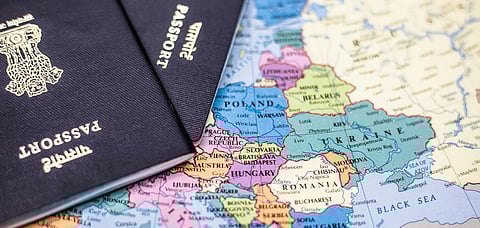
Passport stamps will soon be a thing of the past Shutterstock
The EU Entry/Exit System (EES), which replaces traditional passport stamping with digital biometric checks, began rolling out on October 12, 2025, at external Schengen borders. The system is expected to be fully operational across all Schengen checkpoints by April 10, 2026. Under EES, travellers — including Indian citizens — will have their fingerprints and facial biometrics captured during their first entry, with all subsequent crossings verified through these stored details rather than physical stamps. For travellers, this means biometric processing at European borders will become standard, and passport stamps will soon be a thing of the past.
United States: Visa Costs And Stricter Procedures
Starting in 2026, the United States will introduce a mandatory “Visa Integrity Fee” of USD 250 for most non-immigrant visa categories, including tourist, student, and work visas. This change will significantly increase overall visa costs — especially for popular categories like the B-1/B-2 tourist/visitor visa, where Indian applicants can expect to pay around INR 40,000 or more compared to previous rates. Additionally, interview-waiver options have been tightened, meaning a larger number of applicants will now be required to attend in-person visa interviews, even for renewals. Another procedural shift is the discontinuation of third-party passport pickup (effective August 2025), requiring applicants to either collect their passports themselves or use a paid courier service. If you’re planning a US trip in 2026, apply early, budget for the higher fee, and be prepared for possible delays and in-person interviews.
Advertisement
Immigration Updates

Ensure all your documents are legitimate and up to date Shutterstock
The new Immigration and Foreigners Act, 2025 came into force on September 1, 2025, introducing stricter penalties for violations. Anyone found using or circulating forged travel documents — such as fake visas or passports — can now face imprisonment along with fines. The act also reinforces that overstaying or remaining in India without proper authorisation is a serious offence, and places such as hotels, educational institutions, and hospitals are now required to report foreign guests to the authorities.
When travelling to or from India, ensure all your documents are legitimate and up to date, avoid agents offering fraudulent visas, and if you’re a frequent traveller, consider enrolling in available fast-track immigration programmes for smoother airport passage.
Trusted Traveller Fast-Track

India’s Fast Track Immigration – Trusted Traveller Programme (FTI-TTP) has expanded to 13 major airports Shutterstock
On a more positive front, India is modernising its border-control systems: digital, biometric, and e-gate–based immigration processing is being expanded across major airports as part of a growing “trusted traveller” or fast-track model.
Advertisement
Indian travellers can expect smoother travel but tighter compliance in 2026. Key updates include faster airport clearance in India, new biometric border checks abroad, more visa-free destinations, changes for US visa applicants, and stricter immigration rules at home.
India’s Fast Track Immigration – Trusted Traveller Programme (FTI-TTP) has expanded to 13 major airports, including Delhi, Mumbai, Bengaluru, Chennai, Hyderabad and Kolkata. After enrolling with biometric data (fingerprints and facial scan), Indian citizens and OCI holders can use automated e-gates for quicker immigration. The system significantly reduces wait times, especially during peak travel seasons, making it a major benefit for frequent flyers.
FAQs
What is the EU Entry/Exit System (EES) and how will it affect Indian travellers?
EES is a new digital border-control system that replaces passport stamping with biometric checks. Indian travellers will have their fingerprints and facial scan captured on first entry, and future trips will be recorded digitally. Expect slightly longer onboarding during your first visit and no more passport stamps.
Advertisement
Will I still be eligible for interview waivers for US visa renewals?
Eligibility has been tightened. Many applicants who previously qualified for drop-box renewals may now need to appear for in-person interviews, even if they are renewing the same visa class.
What are the key penalties under India’s new Immigration and Foreigners Act, 2025?
Using or circulating forged passports or visas can lead to 2–7 years imprisonment plus INR 1–10 lakh fines. Overstaying or unauthorised stays are also treated strictly, with reporting obligations for hotels, schools, hospitals, and other institutions hosting foreign visitors.
Is immigration at Indian airports becoming faster?
Yes. India is expanding e-gates, biometric verification, and digital fast-track lanes under a “trusted traveller” model at major airports. Frequent travellers may soon experience quicker processing once enrolled.

Published At: