In recent days, the escalating conflict in West Asia has triggered widespread disruption across global aviation networks. Several countries across the region imposed airspace restrictions after tensions intensified following a series of strikes involving Iran, Israel and the United States. Major aviation corridors linking Asia, Europe and Africa were temporarily affected, forcing airlines to cancel or reroute thousands of flights. Key Gulf hubs such as Dubai, Abu Dhabi and Doha—central to international transit traffic—experienced operational disruptions, leaving travellers stranded and triggering ripple effects across the broader travel and tourism industry.
West Asia Conflict Disrupts Middle East Travel Industry: Flights Rerouted, Tourism Bookings Slow Down
From cancelled routes to delayed bookings, the West Asia crisis is creating ripple effects across airlines, hotels and tour operators

Advertisement
The disruption is now beginning to ripple through the region’s travel industry, stalling bookings, forcing airlines to redraw routes, and pushing tour operators to rethink itineraries.
“At the moment, none of the tour operators are suggesting trips to the UAE or other parts of the Middle East for the next few months,” says Ravi Gosain, President of the Indian Association of Tour Operators (IATO). “If flights are uncertain or restricted, travel inevitably gets disrupted. So the industry is taking a cautious approach and shifting focus to other destinations in the Far East or the Pacific.”
His assessment captures the unease currently gripping the travel ecosystem connected to West Asia. While the conflict itself remains geographically limited, its ripple effects are being felt across aviation routes, hotel occupancy levels, tour bookings, and traveller sentiment—particularly in markets like India that rely heavily on Middle Eastern hubs for both tourism and transit.
Authorities in Dubai, however, say the situation in the country remains stable despite the regional tensions. In a statement shared on behalf of the Dubai Department of Economy and Tourism (DET), officials said the safety and welfare of citizens, residents and visitors remains the UAE’s highest priority, with authorities closely monitoring developments and coordinating across sectors to maintain public services and travel operations. The statement added that flight operations are gradually beginning to resume, with visitors encouraged to check official government channels and airline updates for the latest information.
Advertisement
A Shock To A Carefully Built Tourism Ecosystem

Hotels across major Middle Eastern destinations are adjusting to shifting demand amid travel uncertainty Unsplash
Over the past decade, destinations such as Dubai and Abu Dhabi have positioned themselves as global tourism and transit hubs. Their success has been built on seamless connectivity, strong airline networks, and the perception of stability in a region often viewed as volatile from the outside. But when geopolitical tensions escalate, aviation becomes the first domino to fall.
According to Hari Ganapathy, Co-founder and CEO of travel platform Pickyourtrail, much of the disruption travellers are currently facing stems from changes in flight routes rather than safety concerns at the destination itself. “Geopolitical tensions in West Asia have certainly created a sense of caution among travellers, particularly around airspace disruptions rather than the destinations themselves,” Ganapathy says. “Over the past few days, we have seen flight cancellations and rerouting across key corridors, especially on routes that previously passed through Iranian airspace.”
Many India–Europe routes, he explains, have now been rerouted through alternate corridors, which has had a cascading impact on flight schedules and pricing. “Within days of the crisis, we observed a 17–33 percent increase in fares on India–Europe routes,” he adds. “On the limited operational Dubai flights, one-way fares surged by nearly 60–80 percent on what is one of India’s busiest international corridors.”
Advertisement
The knock-on effect of these changes is being felt across the travel chain—from airlines and tour operators to hotels that depend heavily on international arrivals.
Hotels Face Sudden Demand Fluctuations

Tour operators and travellers are reassessing plans due to the geopolitical tensions Unsplash
Hotels across major West Asian destinations, particularly in the UAE, are navigating a delicate balancing act. International arrivals—especially leisure travellers—form a large portion of hotel demand in cities like Dubai. When flights become irregular or travellers postpone trips, occupancy levels can drop quickly. For hotel operators, the immediate challenge lies in managing volatile booking patterns while maintaining service standards and operational stability.
Short-haul leisure trips, weekend breaks, and group travel—segments that have traditionally driven hotel occupancy—are among the first to slow down when uncertainty creeps into travel plans. Gosain notes that the impact is especially visible in the Indian outbound market, which has long been one of the UAE’s most important visitor segments. “UAE receives over a million Indian tourists every year,” he says. “This conflict is affecting that source market significantly. Many leisure groups, short holiday travellers, and even MICE bookings have either been cancelled or put on hold.”
Advertisement
The pause in demand is not limited to Dubai. Travel to several parts of the Middle East has slowed due to a combination of flight restrictions, traveller concerns, and tour operators taking a cautious stance. “At the moment, Indians are not booking leisure trips to the Middle East,” Gosain says. “Business travel or emergency travel may still happen, but holiday travel has largely stopped for now."
A Region Built On Connectivity Feels The Strain
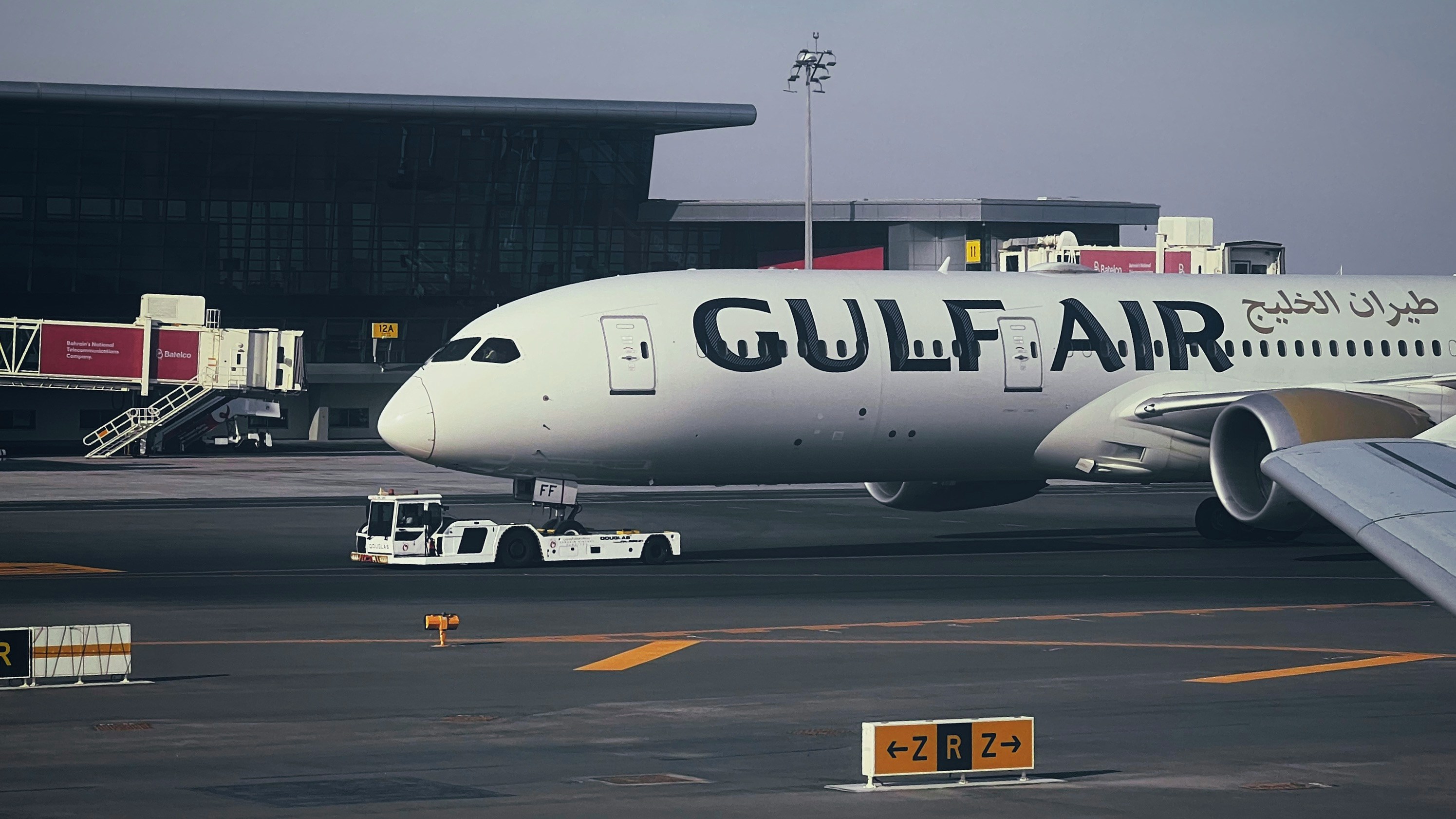
Airspace restrictions and flight rerouting are creating ripple effects across the Middle East’s travel and hospitality sectors Unsplash
What makes the current disruption particularly significant is the central role Middle Eastern aviation hubs play in global travel flows. Airlines based in the region—including Emirates, Etihad Airways, and Qatar Airways—connect hundreds of cities worldwide, often serving as the preferred transit carriers for passengers travelling between Asia, Europe, and North America.
According to Gosain, nearly 40 percent of Indian travellers heading westward rely on Middle Eastern airlines for connectivity. “Because of route restrictions and flight disruptions, this will affect future travel plans as well,” he explains. “Many travellers choose these airlines because they offer competitive fares and convenient connections.” If disruptions persist, the shift could reshape travel patterns in the short term. Travellers may opt for alternate routes through other regions or delay long-haul trips altogether until schedules stabilise.
Advertisement
For hotels in transit-heavy destinations like Dubai, even a temporary dip in connecting traffic can translate into fewer overnight stays, shorter stopovers, and weaker occupancy during periods that would otherwise be busy.
Traveller Behaviour Begins To Shift

The region’s tourism ecosystem is navigating a period of caution as airlines, hotels, and operators respond to disruptions Unsplash
Despite the uncertainty, travel demand itself has not disappeared. Instead, it is evolving. Booking trends from travel fintech platform Scapia indicate that travellers are already beginning to shift away from the region. “Amid the ongoing geopolitical tensions in West Asia, travellers are shifting their preferences toward destinations across Southeast Asia,” a Scapia spokesperson says. The company notes that stay bookings for the UAE in March have nearly halved compared to February. Flight bookings have dropped by around 80 percent, while cancellations have increased sharply. Saudi Arabia has also seen bookings decline by about a third month-on-month, with cancellations rising nearly threefold—suggesting that many travellers are considering alternate destinations until the situation stabilises.
Ganapathy says travellers are adapting quickly to the new realities of flight routes and geopolitical developments. “Traveller sentiment has not collapsed,” he notes. “In many cases, travellers are simply becoming more flexible with routing, travel dates, or even considering alternate destinations that remain easily accessible from India.”
Advertisement
This flexibility is changing the way trips are planned. Rather than booking months in advance, travellers are increasingly waiting until closer to their departure date before finalising plans. “We are seeing a behavioural shift where travellers are closely monitoring flight routes and prioritising destinations with stable connectivity,” Ganapathy explains.
Technology is also playing a growing role in navigating these uncertainties. Travel platforms are using real-time data tools to track operational airspace, safe flight corridors, and alternative routes. In recent days, Ganapathy says his company has assisted hundreds of travellers in modifying itineraries as routes change. “Our teams are helping travellers reroute flights, identify alternate destinations, and adjust itineraries quickly,” he says. “The goal is to provide clarity during a time when information is changing rapidly.”
Hotels Adjust To A New Reality

Despite disruptions, authorities say tourism services across key destinations continue to operate Unsplash
For hotels across West Asia, the immediate focus is on navigating short-term disruptions while preparing for the longer-term recovery that usually follows geopolitical shocks. Historically, tourism in the region has shown resilience after periods of tension. Demand tends to rebound once flight connectivity stabilises and traveller confidence returns. However, industry leaders caution that perception can sometimes lag behind reality.
Advertisement
“Dubai has always been seen as a very safe destination,” Gosain says. “But when conflicts happen in the wider region, travellers may still think twice before planning a trip.” This perception challenge can affect not just leisure tourism but also conference travel, corporate events, and large-scale group movements that hotels depend on.
In the meantime, hospitality operators are focusing on maintaining operations, managing costs, and adjusting their market strategies. Domestic and regional travellers often help soften the blow when international arrivals slow. Staycations, local leisure travel, and last-minute bookings can partially offset the drop in overseas demand. Still, these segments rarely replace the scale of international tourism that destinations like Dubai rely on.
As part of its response frameworks, the statement shared on behalf of DET noted that hotels across the city have been requested to support affected travellers by facilitating extensions to stays under existing booking conditions. The department added that it is working closely with tourism partners and hospitality operators to ensure services across the destination continue to function smoothly.
Advertisement
A Wait-And-Watch Moment For The Industry

The region’s tourism ecosystem is navigating a period of caution Unsplash
For now, much of the travel industry connected to West Asia is in a holding pattern. Tour operators are pausing promotions, travellers are reassessing plans, and hotels are navigating shifting demand curves while keeping operations running smoothly. Ganapathy believes the current slowdown is more likely to be temporary than structural. “Geopolitical tensions like these tend to create short-term hesitation rather than a long-term drop in demand,” he says. “Travellers may pause briefly or adjust routes, but the desire to travel remains strong.”
Yet the timeline for recovery will ultimately depend on how quickly aviation routes stabilise and confidence returns to the market. Until then, the region’s travel industry—from airlines to hotels—will continue managing a crisis that is unfolding not just on the geopolitical stage, but across booking systems, airport terminals, and hotel lobbies throughout the Middle East.
FAQs
1. How is the West Asia conflict affecting travel to the Middle East?
The conflict has disrupted key air routes, leading to flight cancellations, rerouting, higher fares, and delayed or cancelled travel plans.
Advertisement
2. Are tourists still travelling to destinations like Dubai and Abu Dhabi?
Leisure travel bookings have slowed, with many travellers postponing trips or choosing alternate destinations until the situation stabilises.
3. How are airlines responding to the disruptions?
Several flights are being rerouted to avoid affected airspace, which has increased travel times, altered schedules, and pushed up fares on some routes.
4. What impact is the crisis having on hotels in the region?
Hotels are facing fluctuating demand as international arrivals decline, though some are relying on domestic travellers and staycations to offset losses.
5. What steps are authorities taking to support travellers?
Authorities are monitoring the situation closely, coordinating with airlines and tourism partners, and asking hotels to assist affected guests where necessary.

Published At:
Tags