Sometimes, the best trip isn't about discovering somewhere new. It's about returning to a place that already holds a special memory. Whether it's revisiting the hill station where you spent every summer holiday, taking your children on the same road trip your parents once planned, or boarding a train that reminds you of childhood journeys with your grandparents, nostalgia travel is becoming one of the biggest travel trends of 2026.
Nostalgia Travel Is One Of 2026's Biggest Travel Trends. Here's Why Everyone Wants To Go Back
From childhood holidays to heritage journeys, discover how nostalgia travel is reshaping vacations in 2026 through memory-driven experiences

Advertisement
Also known as memory tourism, the trend is seeing travellers choose destinations based on emotions rather than itineraries. Instead of asking, "Where should I go next?" more people are asking, "Where did I feel happiest?"
What Is Nostalgia Travel?
Nostalgia travel is all about returning to places connected to cherished memories or even a specific era. Rather than chasing new destinations, travellers are revisiting childhood holiday spots, family road trip routes, heritage towns, and places that evoke a sense of comfort. The focus is on recreating experiences that once brought joy.
According to the 2025 Hilton Trends Report, 58 per cent of global travellers revisit childhood travel destinations, particularly when travelling with their own children. Nearly half (49 per cent) return to the same place year after year, making the recreation of family memories one of the top three reasons for booking a holiday.
Whether it's staying at the same guesthouse, eating at a favourite street food stall or revisiting a beach that defined your childhood summers, nostalgia travel is about reconnecting with the places that shaped your happiest memories.
Advertisement
Why Is Nostalgia Travel Becoming So Popular?
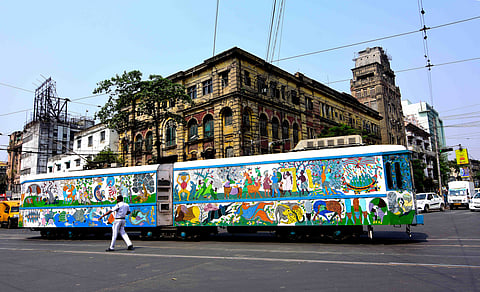
A heritage tram rolls through Kolkata, home to Asia's oldest operating tram network Shutterstock
Several factors are driving the rise of memory tourism. One of the biggest influences is social media. Creators on Instagram and TikTok are romanticising the past through retro film cameras, VHS-style edits and vintage aesthetics. This has brought nostalgia to the forefront of travel inspiration.
At the same time, many travellers are looking for a break from constant digital noise. Vintage rail journeys, restored heritage forts and analogue-style experiences offer a welcome escape from a world dominated by screens and notifications.
There's also a psychological reason behind the trend. Experts say revisiting familiar and joyful places provides comfort, helps combat loneliness and gives people a greater sense of control during uncertain times.
Rajeev Kale, president & country head – holidays, MICE, visa, Thomas Cook (India) Limited, said that nostalgia has always been a part of travel, but today it has become a much stronger influence on how people choose their holidays.
Advertisement
"Travellers are increasingly revisiting destinations that hold special memories, whether it's families returning to Kashmir or Kerala for a reunion, couples celebrating an anniversary in Switzerland or Singapore where they honeymooned, friends recreating memorable road trips, or solo travellers reconnecting with places that have shaped different chapters of their lives. These journeys are about reliving cherished moments while creating new memories with loved ones," he said.
Travellers Are Choosing A Feeling Over A Destination

Gryffindor-themed souvenirs at the Universal Studios official gift shop in Hollywood Shutterstock
One of the biggest shifts in travel planning is that people are no longer starting with a destination. According to research by ALL Accor, 25 per cent of modern travellers now begin planning a trip based on a particular vibe or feeling instead of choosing a place first.
The trend is especially popular among younger travellers. A survey by Visit Anaheim and Talker Research found that 61 per cent of Gen Z and 54 per cent of Millennials expect nostalgia to heavily influence their travel choices. For many of them, the phrase "2026 is the new 2016" reflects a desire to return to a simpler, less digitally overwhelming time.
Advertisement
Psychologists view nostalgia as a balancing mechanism. During periods of economic uncertainty and digital fatigue, returning to places associated with happy memories creates emotional security and a sense of personal continuity.
The Three Pillars Of Nostalgia Travel
Personal Re-enactment
For many travellers, nostalgia means recreating family traditions. That could involve staying at the same hill-station guesthouse visited every summer, ordering food from an old street vendor or recreating childhood family photographs at familiar landmarks. The destination may not have changed much, but the experience gains new meaning when shared with the next generation.
SD Nandakumar, president & country head – holidays and corporate tours, SOTC Travel, said this is one of the most visible ways the trend is unfolding.
"We are seeing travellers revisit destinations that hold a special place in their personal journey, whether it's couples returning to their proposal or honeymoon destination in Bali, Mauritius, or the Maldives to celebrate a milestone anniversary, families revisiting destinations that have been part of their holiday traditions, or friends planning reunion trips to places where they created lasting memories. This reflects the nostalgia travel trend, where familiar destinations take on new meaning as travellers celebrate life's milestones while creating fresh memories with loved ones," he said.
Advertisement
Ancestry And Heritage
Some travellers are using nostalgia to reconnect with their roots. They're booking longer stays at restored heritage homestays and havelis or travelling to ancestral villages to better understand their family's history. These trips are less about sightseeing and more about personal connections.
Kale said nostalgia is also encouraging people to engage more deeply with history and heritage.
"Beyond revisiting personal memories, travellers are embracing historical nostalgia and heritage tourism by exploring destinations they've long connected with through history and cultural heritage. From vintage rail journeys and historic European towns to UNESCO World Heritage Sites and iconic cultural landmarks, these experiences allow travellers to step into stories that have inspired generations, adding a deeper sense of meaning and discovery to their journeys," he said.
Pop Culture And Retro Eras
Others are chasing the feeling of a particular decade rather than a place. Vintage sleeper train journeys, retro gaming arcades, and hotels inspired by the aesthetics of the 1990s are becoming increasingly appealing for travellers looking to relive the past.
Advertisement
Nandakumar said younger travellers are embracing nostalgia in their own way.
"While older travellers often revisit destinations they have personally experienced, Millennials and Gen Z are embracing the trend by rediscovering places through family stories, films and popular culture. At the same time, travellers are no longer just visiting destinations; they are increasingly seeking experiences that connect with their passions and childhood memories. Whether it's visiting an attraction or theme park, or exploring cafés and restaurants inspired by a favourite TV show or character, these immersive experiences allow travellers to bring cherished memories to life while creating new ones," he said.
Why The Travel Industry Is Paying Attention
The tourism industry is adapting quickly to this shift in traveller behaviour. The traditional bucket-list approach is making way for more meaningful, emotionally driven experiences. Instead of simply checking off famous landmarks, travellers are looking for deeper connections with places that already hold significance.
Advertisement
Travellers are also extending these nostalgic journeys rather than limiting themselves to a single destination. As Kale pointed out, many are combining destinations and experiences, such as exploring multiple countries across Europe, pairing Singapore with Malaysia, or combining Kerala with Coorg and Wayanad to create richer itineraries.
According to Nandakumar, this demand is shaping the industry's offerings.
"This trend is encouraging the development of more immersive, experience-led holidays that blend nostalgia with contemporary attractions, giving travellers new ways to reconnect with destinations and memories they cherish," he said.
There's also an interesting paradox. Travellers continue to rely on technology to research and book their holidays, but once they arrive, they increasingly want screen-free, analogue experiences. In response, heritage hotels are introducing subtle augmented reality tools that help tell historical stories without disrupting the old-world atmosphere.
The Future Of Travel May Lie In The Past
Nostalgia travel proves that sometimes the most memorable journeys are the ones that take us back. Whether it's revisiting childhood holiday destinations, introducing your children to places that shaped your own memories or slowing down to experience travel the way it once was, memory tourism is about more than looking back. It's about reconnecting with the people, places and moments that continue to define us.
Advertisement
In a world that's constantly moving forward, travellers are discovering that going back can be just as meaningful.
FAQs
Q1. What is nostalgia travel?
Nostalgia travel, also known as memory tourism, involves revisiting destinations connected to childhood memories, family holidays or significant life experiences.
Q2. Why is nostalgia travel becoming popular?
It offers emotional comfort, strengthens family connections and allows travellers to relive meaningful experiences while creating new memories with loved ones.
Q3. What are examples of nostalgia travel?
Returning to childhood hill stations, retracing family road trips, staying in heritage hotels, travelling to ancestral villages or taking vintage train journeys.
Q4. Who is driving the nostalgia travel trend?
While older travellers revisit places from their past, Millennials and Gen Z are also embracing nostalgia through family stories, films, pop culture and heritage experiences.
Q5. How is nostalgia travel different from traditional tourism?
Instead of focusing on new destinations and sightseeing, nostalgia travel prioritises emotional connections, familiar places and meaningful experiences rooted in personal memories.
Advertisement

Published At: