A trans-Himalayan cold desert urban forestry and food forest initiative has been launched in Ladakh, in a move aimed at strengthening green cover, promoting environmental sustainability and improving food security in the region.
Ladakh Launches Cold Desert Forestry, Food Forest Initiative In Drass
A cold desert urban forestry and food forest initiative has been launched in Drass, Ladakh, to expand green cover, improve soil health and support food security in the high-altitude region where vegetation remains below one per cent

Advertisement
Pilot Project In Drass
The project was inaugurated on Monday at the Khandiyal area of Drass by Lieutenant Governor Vinai Kumar Saxena. Speaking at the event, which was attended by public representatives, officials and local residents, Saxena drew attention to Ladakh’s fragile ecosystem, noting the region’s harsh cold desert conditions and its extremely low green cover, estimated at less than one per cent. The effort centres on developing pockets of urban forestry along with high-altitude food forests suited to the area’s harsh terrain and climate.
Hardy Species And Sustainability
The plantation drive includes species such as willow, poplar, apricot and robinia, chosen for their ability to withstand the cold and dry conditions of the region. Officials say the effort is aimed at gradually improving soil conditions and increasing vegetation cover, while also encouraging the growth of fruit-bearing trees to support local food needs. The broader plan links these measures with efforts to make the region more resilient to changing climatic patterns and reduce environmental footprint.
Advertisement
Community Participation
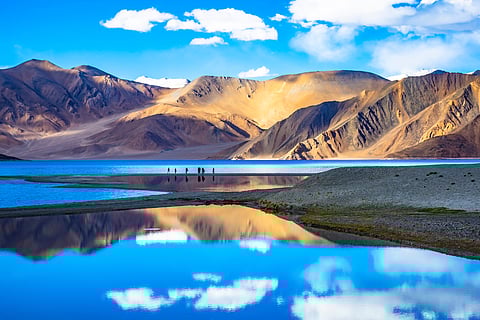
Pangong Tso in Ladakh Chris Piason/Shutterstock
The programme is being carried out with support from the Forest Department, the Ladakh Autonomous Hill Development Council (LAHDC) Kargil and local residents, who are expected to play a role in tending and protecting the plantations. Officials describe the project as a trial that could be extended to other parts of Ladakh if it proves workable.
Fragile Ecology
Ladakh’s ecology remains highly fragile, shaped by its high-altitude, arid cold desert conditions. In recent years, pressures from shifting climate patterns, receding glaciers and growing tourist inflow have added to existing stresses on the environment. The region already faces limited water availability, strain on local biodiversity and mounting waste concerns. Declining glacier reserves have begun to affect water supply for agriculture, underlining the need for development that is in step with local conditions and mindful of the traditional, resource-efficient way of life followed by its communities.
Environmental And Ecological Concerns
Advertisement
Ladakh gets very little rain and depends mostly on glacier melt for water. With glaciers already shrinking, there are concerns that large plantation drives could put extra pressure on limited water sources, especially if saplings need regular watering.
Experts also warn that planting trees in a cold desert could disturb the natural balance of grasses and shrubs that already support local wildlife. Species like willow and poplar may change the existing ecosystem over time.
There are also concerns that turning grazing areas into plantations could affect traditional pastoral routes and the livelihoods of nomadic communities who depend on them.

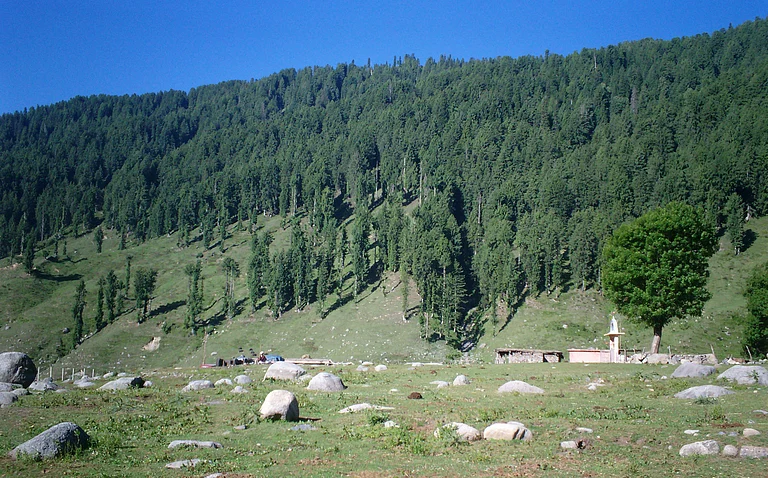
Sham Valley region of Ladakh Shutterstock
(With inputs from PTI)
FAQs
What is the initiative about?
It focuses on increasing green cover in Ladakh through urban forestry and food forests suited to cold desert conditions.
Where has it been launched?
The pilot project has been started at Khandiyal in Drass.
What types of trees are being planted?
Species such as willow, poplar, apricot and robinia are being used.
Advertisement
What are its main goals?
To improve vegetation cover, support local food production and strengthen environmental sustainability.
Who is involved in the project?
The Forest Department, LAHDC Kargil and local communities are part of the effort.
Will it be expanded further?
Officials say it may be extended to other areas if the pilot proves successful.
Published At:
Tags