From October, the Japan Rail Pass will cost 5–6 per cent more, with the price of a seven-day Ordinary Pass set to rise from its current level. Overseas travellers may need to consider whether the revised fare offers better value than buying individual tickets or choosing regional passes.
Japan Rail Pass To Get Costlier From October 2026
From October 1, 2026, the Japan Rail Pass will become more expensive for foreign tourists, with prices set to rise by around 5–6%. The increase follows earlier hikes, making it important for travellers to review costs before planning rail journeys

Advertisement
The Japan Rail Pass will become more expensive for foreign tourists from October 1, 2026. Offered by the JR Group, it remains one of the simplest ways to travel across the country, allowing unlimited journeys on most trains, including the majority of high-speed Shinkansen services.
The planned increase of around 5–6 per cent may appear modest, but it comes on top of the sharp rise introduced in 2023, meaning overall costs have climbed noticeably in recent years.
Updated Prices At A Glance
For those opting for the standard Ordinary Class, a seven-day pass now costs 53,000 yen (roughly INR 29,000–30,000), following a 3,000 yen increase. The 14-day option has risen by 4,000 yen to 84,000 yen (about INR 46,000–48,000), while the 21-day pass is now priced at 105,000 yen (around INR 57,000–60,000) after a 5,000 yen hike.
For travellers looking for a quieter, more comfortable train ride, the Green Car option has also gone up, with the seven-day pass now set at 74,000 yen (approximately INR 40,000–42,000). The 5-6 per cent increase aligns with widespread fare adjustments by JR companies.
Advertisement
The Features
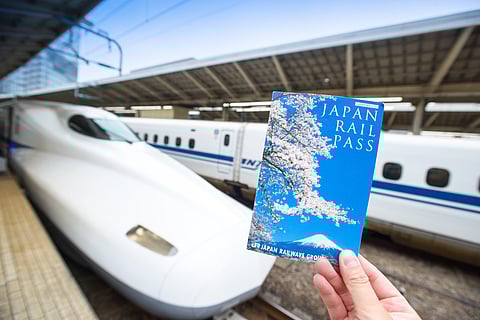
The pass still covers the fastest Nozomi and Mizuho trains YingHui Liu/Shutterstock.com
What's Covered: Unlimited travel on JR lines, including most Shinkansen (bullet trains), limited express, rapid, and local trains, plus certain buses and ferries.
What's Included: The pass still covers the fastest Nozomi and Mizuho trains (with a separate ticket surcharge).
Excluded: Private railways, metros, and special tourist trains.
Regional Alternatives: If only travelling within specific regions (e.g., Tokyo to Hokkaido), this guide on JR Pass value indicates regional passes may offer better value.
Purchasing Tips
Buy before October 1 to avoid the higher prices if travelling later in the year.
Passes can be bought through designated, authorised travel agents or the official online reservation website.
To be eligible, you must be a foreign tourist holding a "Temporary Visitor" visa status.
About The Pass
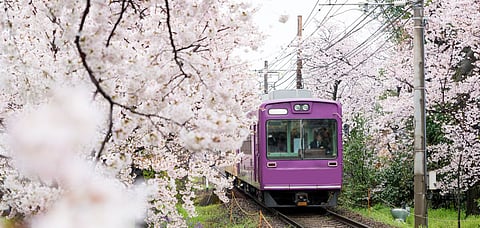
From rolling countryside to coastal vistas, Japan's scenic train journeys are experiences that you can't miss. Shutterstock
The Japan Rail Pass (JR Pass) is a cost-effective, prepaid ticket for foreign tourists offering unlimited travel on most JR trains—including Shinkansen bullet trains—for 7, 14, or 21 consecutive days. It requires a “Temporary Visitor” visa status, must be purchased before or upon arrival, and covers national JR lines, some buses, and the Narita Express. It covers most JR national trains (including bullet trains), JR buses, and the Miyajima Ferry. It does not cover Nozomi and Mizuho Shinkansen trains (requires a separate surcharge) or subways/private railways in cities. The pass is valid for 7, 14, or 21 consecutive days.
Advertisement
FAQs
What is the Japan Rail Pass?
The Japan Rail Pass is a travel pass offered by the JR Group that allows unlimited travel on most trains across Japan, including many Shinkansen services, for a fixed period.
When will the price increase take effect?
The new prices will apply from 1 October 2026.
How much will the Japan Rail Pass cost after the increase?
Prices will rise by around 5–6%, with the seven-day Ordinary Pass increasing to 53,000 yen, among other revised rates for longer durations.
What routes are covered by the pass?
The pass covers most JR trains across Japan, including many Shinkansen bullet train routes, but some faster services and private lines are excluded.
Who can buy the Japan Rail Pass?
It is available only to foreign tourists visiting Japan on a temporary visitor visa.
Are there different types of passes available?
Yes, there are Ordinary Class and Green Car (first-class) options, each available in 7, 14, and 21-day durations.
Advertisement

Published At: