A Reddit user recently posted a viral photograph of a passenger’s name, "Manvik" or "Manvi K," scratched into an IndiGo aircraft window. Taken from inside an in-flight cabin, the image has prompted questions about passenger behaviour and how aircraft interiors are treated. While IndiGo has not issued a public statement on the incident, it has sparked a broader conversation around what is considered acceptable conduct onboard and why adhering to basic in-flight etiquette remains important.
IndiGo Aircraft Window Defaced by Passenger, Raises In-Flight Etiquette Concerns: Do’s & Don’ts Of In-Flight Etiquette
A viral image of a passenger name etched on IndiGo aircraft window has reignited conversations around passenger conduct. Here's a guide to basic in-flight etiquette and what passengers should avoid while flying

Advertisement
Airlines and aviation regulators worldwide continue to grapple with passenger misconduct. According to global industry data from the International Air Transport Association (IATA), airlines recorded roughly one incident of disruptive passenger behaviour for every 568 flights in 2022. This highlights that such cases, while not frequent, are not rare. Over the past five years, 379 passengers in India have been placed on the ‘No-Fly List’, according to data from the Union Ministry of Civil Aviation (MoCA).
These numbers explain why airlines and regulators take even small or isolated incidents seriously. In-flight etiquette is now recognised as essential for safety and accountability, not just a matter of politeness.
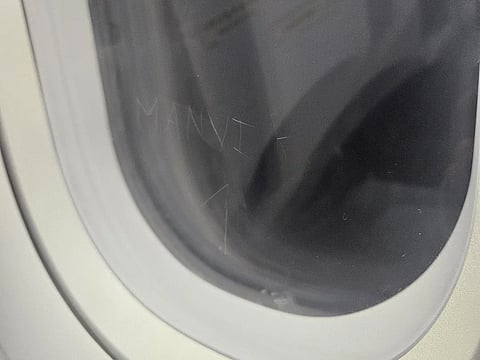
A Redditor posted posted an image of a passenger’s name etched on aircraft window Photo Credit: Reddit
Why In-Flight Etiquettes Matter
Airplane cabins are carefully designed, and every part has a safety, structural, or operational role. Items such as window panes, seats, tray tables, and overhead bins are certified to function properly under the stress of flight. Therefore, even minor damage, such as a name scratched on a window, must be checked, recorded, and often replaced to meet aviation standards.
Advertisement
What might seem like a harmless act becomes an operational and regulatory concern in aviation. Damage can lead to maintenance delays, higher costs, and potential flight disruptions as engineers address the issue before the aircraft is cleared for service.
In addition, such behaviour falls under the broader umbrella of what regulators classify as unruly or disruptive passenger conduct. The International Civil Aviation Organization and national bodies like the U.S. Federal Aviation Administration (FAA) view disruptive behaviour as any act that interferes with crew duties or jeopardises order onboard.
Don’ts: What Passengers Should Avoid Onboard
Don’t damage aircraft interiors: Avoid scratching windows, tearing seat upholstery, or pulling at panels. Aircraft cabins are designed for safety and comfort, and damaging them affects more than just the appearance.
Don’t tamper with safety equipment: Safety cards, oxygen masks, life vests, emergency lights, and exit signs are essential and should not be touched unnecessarily.
Don’t ignore cabin crew instructions: Crew instructions are there to keep everyone safe and ensure a smooth flight. Ignoring them can disrupt the cabin and affect other passengers.
Don’t treat the cabin like a personal space: Airplanes are shared spaces. Loud behaviour, misuse of facilities, or careless actions can impact the comfort and safety of those around you.
Advertisement
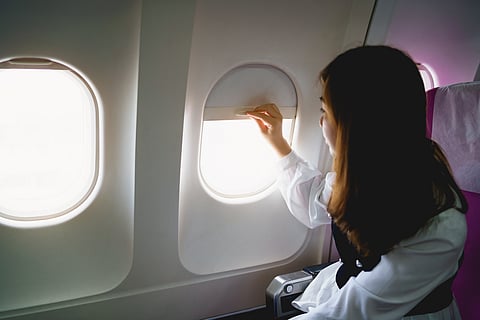
A passenger looks out of an aircraft window during a flight Shutterstock
Do’s: Basic In-Flight Etiquette To Follow
Treat the aircraft with care: The airplane is a shared space used by many travellers. Respect seats, windows, and other fittings, as even small damage can cause delays or repairs.
Use cabin features as intended: Tray tables are for meals or work, and windows are for viewing the outside, not for scratching or carving.
Report pre-existing damage: If you notice something damaged when you board, inform a crew member. This helps avoid confusion later.
Be mindful of fellow passengers: Long flights can be tiring, but choosing quiet activities like reading, watching entertainment, or resting helps keep the cabin calm for everyone.
Final Word
The scratched window on the IndiGo flight may have drawn laughs or criticism online, but it also highlighted that air travel depends on engineering, regulation, and personal responsibility. Passengers, crew, and airlines all play a role in maintaining safety and order onboard.
Simple acts of respect, following instructions, using cabin facilities appropriately, and behaving considerately, help ensure that flights remain safe and comfortable for everyone.
Advertisement
FAQs
1. What happened in the IndiGo aircraft window incident?
A passenger was photographed carving their name onto an aircraft window, prompting online criticism and safety concerns.
2. Why is scratching an aircraft window taken seriously?
Aircraft components are certified for safety. Even minor damage must be inspected and may require replacement.
3. Can passengers be penalised for damaging aircraft interiors?
Yes. Passengers may face fines, legal action, or placement on no-fly lists depending on the severity.
4. How common is disruptive passenger behaviour?
In 2022, airlines recorded one disruptive incident per 568 flights, according to International Air Transport Association.
5. What basic in-flight etiquette should passengers follow?
Respect aircraft property, follow crew instructions, and treat the cabin as a shared, regulated space.
Published At: