In recent years, the Indian government has actively promoted religious tourism, particularly around Hindu pilgrimage sites. In its latest initiative, the Indian Railway Catering and Tourism Corporation (IRCTC) has announced a new Bharat Gaurav Tourist Train package, offering travellers the opportunity to visit jyotirlingas in November 2025.
Indian Railways Announces Bharat Gaurav Train To Offer 12-Day Pilgrimage To Seven Jyotirlingas
Starting November 2025, the Bharat Gaurav Tourist Train will connect pilgrims to the seven jyotirlingas in a 12-day journey, promising seamless travel and comfort—though concerns remain over the environmental impact of increased religious tourism

Advertisement
This 12-day journey, beginning on November 18 from Yog Nagri Rishikesh Railway Station, combines extensive rail travel with comfortable accommodations, guided tours, and visits to some of the most significant Shiva temples.
The Itinerary
The itinerary includes visits to the following seven jyotirlinga temples: Omkareshwar, Mahakaleshwar, Nageshwar, Somnath, Trimbakeshwar, Bhimashankar, and Grishneshwar. Travellers will also stop at other significant religious sites, including the Dwarkadhish Temple and Bet Dwarka.
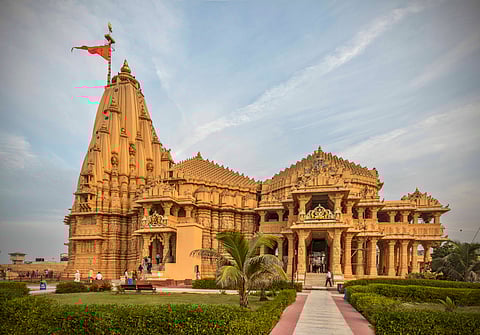
Somnath Temple, Gir Somnath, Gujarat. Gujarat Tourism
Tour Overview
The IRCTC Bharat Gaurav Tourist Train will operate the special jyotirlinga pilgrimage tour from November 18 to 29, 2025. The journey spans 11 nights and 12 days, beginning and ending at Yog Nagri Rishikesh Railway Station.
The train will accommodate up to 767 passengers, distributed across three categories: Comfort (49 berths), Standard (70 berths), and Economy (648 berths). Prices begin at INR 24,100 per person, with a concession of nearly 33% offered under the Bharat Gaurav Train scheme. The package costs are as follows:
Advertisement
Comfort (2AC): INR 54,390 (adult), INR 52,425 (child aged 5–11)
Standard (3AC): INR 40,890 (adult), INR 39,260 (child aged 5–11)
Economy (Sleeper Class): INR 24,100 (adult), INR 22,720 (child aged 5–11)
The Package
The tour package covers the train journey, accommodation in budget hotels for overnight stays, and ‘wash and change’ facilities during stopovers. Meals are provided throughout the journey and include morning tea, breakfast, lunch, and dinner—all vegetarian. Passengers are also covered by travel insurance, and the services of professional tour escorts and IRCTC tour managers are available throughout the trip. All applicable taxes are included in the package price.
Accommodation will be arranged based on the travel category selected—ranging from budget hotels to dharamshalas. Throughout the journey, all meals are included in the package, with vegetarian options served for morning tea, breakfast, lunch, and dinner.
What’s Not Included
The package does not cover entrance fees to monuments or temples, sightseeing not mentioned in the itinerary, local guide charges, or tips. Personal expenses such as laundry, bottled water, alcoholic beverages, and any other services not specifically listed under the inclusions are also excluded.
Advertisement
Before You Travel
There are a few things to keep in mind before departure. Solo travellers will be sharing accommodation with other single passengers who’ve booked under the same category. Seat and berth allocations will be finalised one to two days before the journey.
This tour does not include special darshan tickets at temple sites. Final train timings will be confirmed two days before departure. Passengers will have to carry a valid voter ID or Aadhaar card, along with proof of full COVID-19 vaccination, as both are mandatory for boarding. The train will only run if the required minimum number of bookings is reached. At Ganga Sagar, standard and superior category passengers will have access to multi-sharing dormitory facilities for freshening up. For more details, refer to the official IRCTC website.

Evening prayer at Gangasagar in West Bengal, during the Gangasagar Mela Itiprithul/Shutterstock
Departure And Boarding Stations
The train journey will commence from Yog Nagri Rishikesh, with multiple boarding points along the route to accommodate passengers from different locations. These include Haridwar, Moradabad, Bareilly, Shahjahanpur, Hardoi, Lucknow, Kanpur, Orai, Virangana Lakshmibai, and Lalitpur Junction.
Advertisement
Key Stopovers And Pilgrimage Sites
Major halts on the journey include Ujjain, for darshan at Omkareshwar and Mahakaleshwar Jyotirlingas; Dwarka and Bet Dwarka; Veraval, home to the Somnath Jyotirlinga; Nashik Road, for Trimbakeshwar; and Khadki and Aurangabad, which provide access to Bhimashankar and Grishneshwar jyotirlingas.

View of Gomti Ghat and Dwarkadhish, Dwarka Shutterstock
Pilgrimage Pressure
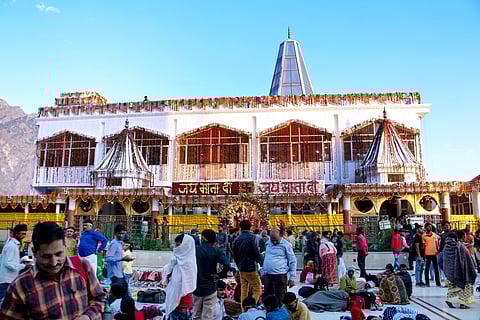
Pilgrims visit the Mata Vaishno Devi shrine in Jammu DeepkCreation/Shutterstock
Religious tourism in India has grown at an extraordinary pace in the past few years, and this surge comes with serious environmental costs. Mass pilgrimages generate vast quantities of plastic and organic waste, leading to water pollution in rivers like the Mandakini and lakes such as Pushkar, where groundwater levels have also plummeted. Deforestation from firewood collection, unchecked construction, and overuse of natural resources have caused habitat loss, soil erosion, and ecosystem disruption—particularly in ecologically sensitive areas. Local infrastructure is overwhelmed, increasing the risk of landslides, stampedes, and irreversible ecological damage. Despite its economic value, religious tourism in its current form is unsustainable—placing fragile landscapes, wildlife habitats, and water bodies under intense and often unregulated pressure.
Advertisement
FAQs
1. When will the Bharat Gaurav jyotirlinga train start?
The train will begin its journey on November 18, 2025, from Yog Nagri Rishikesh Railway Station.
2. Which temples are covered in the jyotirlinga train tour?
The itinerary includes Omkareshwar, Mahakaleshwar, Nageshwar, Somnath, Trimbakeshwar, Bhimashankar, and Grishneshwar jyotirlingas.
3. What is the cost of the Bharat Gaurav jyotirlinga train package?
Prices range from INR 24,100 (economy sleeper) to INR 54,390 (comfort/2AC), depending on the travel category.
4. What does the Bharat Gaurav train package include?
The package includes train travel, vegetarian meals, budget accommodations, guided tours, insurance, and assistance by IRCTC managers.
5. Are special darshan tickets included in the package?
No, special darshan passes at temples are not included. Pilgrims must queue as per standard temple procedures.
6. How many passengers can the train carry?
The train accommodates up to 767 passengers across comfort, standard, and economy categories.
7. Are there any environmental concerns about the jyotirlinga yatra train?
Yes, experts warn that mass religious tourism contributes to waste, deforestation, water scarcity, and ecological disruption in pilgrimage towns.
Advertisement
(With inputs from various sources.)
Published At: