The summer travel map just got a little more complicated. Air India is trimming close to 100 long-haul flights through July 2026, and the ripple effects are already being felt by passengers planning trips across Europe, North America, and Australia. What began as a modest adjustment in April has now stretched into a full-blown capacity squeeze—one that arrives just as peak travel season gathers pace.
Air India Cuts 100 Flights, Summer Travel Plans Hit Turbulence
Rising jet fuel costs and longer routes force Air India to trim international flights, leaving passengers facing delays and higher fares

Advertisement
At the heart of the decision is a cost equation that no longer adds up. Aviation turbine fuel has surged dramatically in recent months, at times accounting for nearly 60 per cent of an airline’s operating expenses—far above the usual range. Add to that the impact of restricted airspace across West Asia, which has forced airlines to take longer routes, burning more fuel and increasing crew costs, and several international routes have tipped into loss-making territory.
Rising Cost Pressures
The spike in fuel prices is tied to a wider geopolitical churn. Since late February, global oil markets have been rattled by conflict in West Asia, with crude prices climbing past USD 120 a barrel and jet fuel nearly doubling in cost over a matter of weeks. For a country like India, which imports the bulk of its crude oil, the effects are immediate and hard to absorb.
Airlines are particularly exposed. Fuel, typically the single largest expense, has become even more dominant in the cost structure. While domestic routes have seen some cushioning due to partial price controls, international operations remain fully exposed to global volatility. The result: long-haul routes, already expensive to run, are now significantly harder to sustain.
Advertisement
Airspace restrictions have only compounded the strain. With key corridors impacted, flights are being rerouted—sometimes adding up to two extra hours to journeys between India and Europe. That translates into higher fuel burn, longer crew duty times, and reduced aircraft utilisation. Multiply that across a network, and the economics unravel quickly.
Routes Under Strain
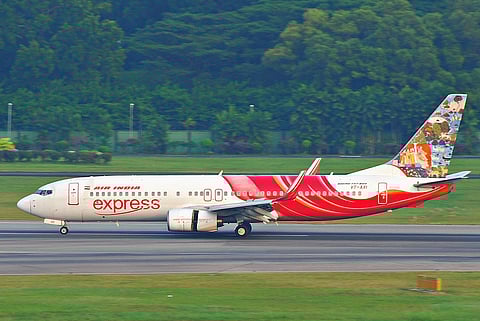
Flight cuts ripple across routes, pushing fares up and availability down Aero Icarus/Wiki Commons
The cuts span nearly every major long-haul corridor. Flights connecting Delhi and Mumbai to cities like London, Frankfurt, Paris, New York, Toronto, Sydney, and Melbourne are among the most affected. While not all services are being suspended, frequencies are being reduced enough to tighten seat availability across the board.
For travellers, the disruption is immediate. Passengers with existing bookings are receiving cancellation notices or being pushed onto alternate flights, often with longer layovers. Rebooking queues are stretching into days, and securing a comparable itinerary is becoming increasingly difficult.
The knock-on effect is visible across the wider aviation network. As displaced passengers turn to other carriers—Emirates, Qatar Airways, Lufthansa, Singapore Airlines—fares are climbing. On some routes, prices have jumped between 20 and 40 per cent, particularly for travel through the summer months. Even indirect routes via Middle Eastern or Southeast Asian hubs are filling up fast, adding hours to journey times and pressure to travel budgets.
Advertisement
What It Means
For Air India, the move reflects deeper financial strain. The airline is estimated to have posted losses exceeding INR 22,000 crore for the financial year ending March 2026, underscoring how vulnerable full-service carriers remain to fuel shocks and geopolitical disruptions. The current recalibration of its network is less a strategic pivot and more a necessary response to conditions that show little sign of easing.
For travellers, the advice is simple, if not entirely comforting: plan early and stay flexible. Those flying on affected routes should check their booking status proactively and explore alternative carriers sooner rather than later. Waiting for last-minute deals, in this climate, is a gamble unlikely to pay off.
The broader concern is that this may not be a short-term disruption. With fuel prices still volatile and key airspace routes uncertain, the aviation sector could be heading into a prolonged period of adjustment. If current conditions persist, further schedule cuts—or higher fares—may well extend beyond July, reshaping how and when we travel this year.
Advertisement
(With inputs from various sources)
FAQs
1. Why is Air India cutting flights?
Rising jet fuel prices and longer routes due to airspace restrictions have made several flights unprofitable.
2. Which routes are affected?
Flights to Europe, North America, Australia, and some Asian destinations are seeing reduced frequency.
3. Until when will the cuts last?
The reductions are currently scheduled through July 2026, with possible extensions.
4. What should passengers do if their flight is cancelled?
Contact Air India for rebooking or refunds and check alternative airlines early due to limited seats.
5. Will ticket prices increase?
Yes, reduced capacity and higher demand are already pushing fares up across major international routes.
Published At: