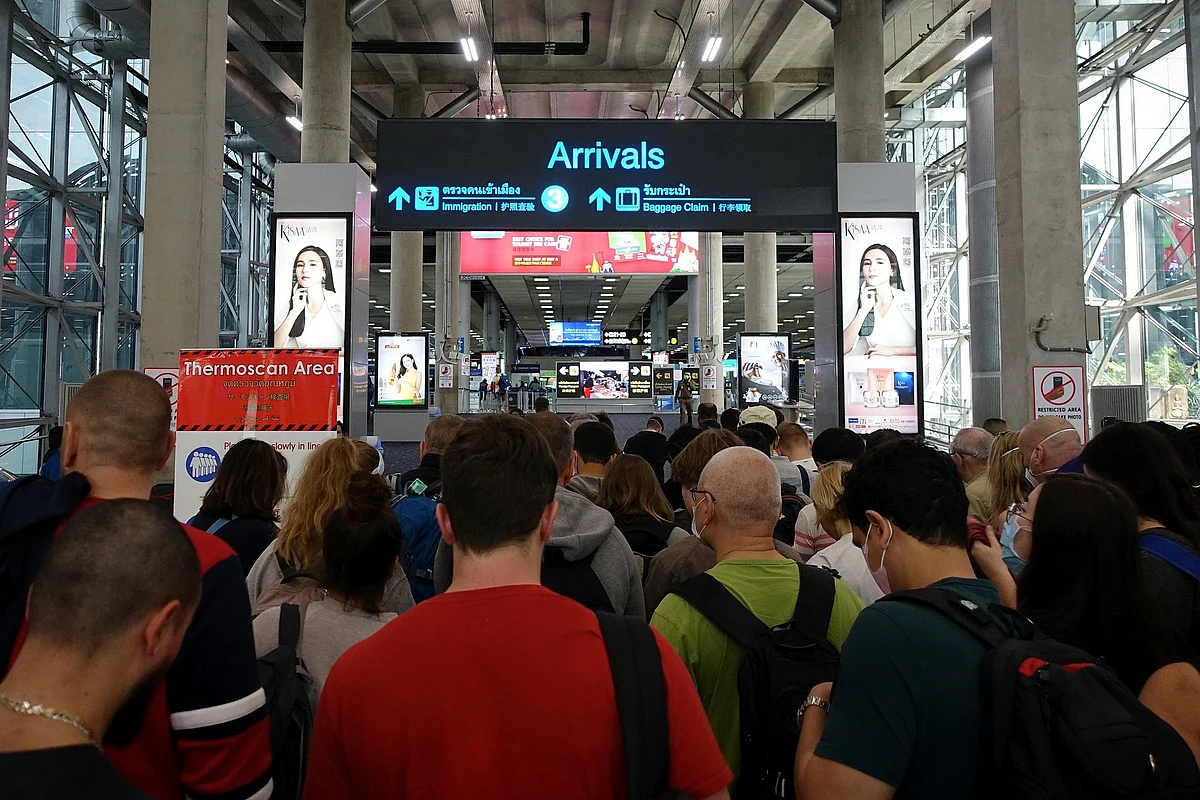
Thailand’s Cabinet has formally endorsed the ongoing visa reform programme, confirming key entry measures introduced since 2024. It also signalled that the 60-day visa exemption, one of Thailand’s most tourism-friendly policies, may be revised following reports of misuse.
The update was approved during a Cabinet meeting on February 10, 2026, based on a progress report submitted by the Ministry of Foreign Affairs. According to reports, Deputy Spokesperson to the Prime Minister Aiyarint Panrit said the Cabinet had approved “measures and guidelines regarding visa issuance aimed at promoting tourism and stimulating the Thai economy.”
The decision does not introduce a new immigration overhaul. Instead, it consolidates changes rolled out over the last two years. These include visa-free entry expansion, new visa categories, structural reforms, and long-term digital upgrades.
60-Day Visa Exemption Continues, But Authorities Flag Enforcement Concerns
The report reaffirms Thailand’s 60-day visa exemption for passport holders from 93 countries and territories, effective July 15, 2024. Eligible travellers can enter Thailand for tourism or short-term business without a visa and stay up to 60 days. While in the country, visitors can also apply for a 30-day extension.
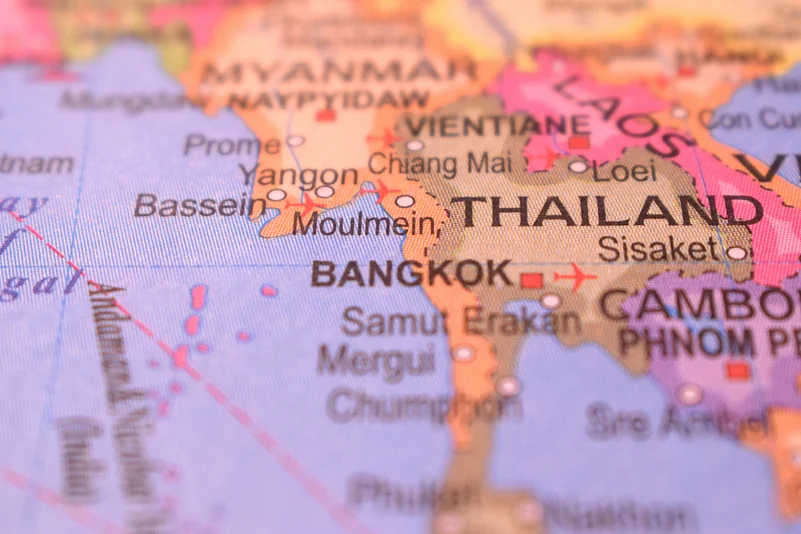

The Cabinet review confirmed the continuation of this scheme. It remains one of Thailand’s biggest entry facilitation measures. However, authorities acknowledged that the longer stay period has led to abuse. Issues include repeated back-to-back entries and activities inconsistent with visa-free travel.
Officials said these issues have raised concerns about enforcement and the impact on domestic labour. They also mentioned vulnerabilities in border controls. The Cabinet report noted that Thailand may tighten the scheme, including stricter monitoring, revised entry conditions, or a possible reduction in the length of visa-free stays.
Thailand Expands New Visa Categories
Alongside visa-free entry, Thailand has continued to broaden its visa framework to attract longer-stay travellers and new visitor profiles.
Key measures reaffirmed in the Cabinet update include:
Visa on Arrival (VoA): Thailand’s VoA programme remains active for 31 countries and territories, allowing eligible travellers to apply at designated immigration checkpoints.
VoA Expansion (Phase Two): Authorities are considering adding eight more countries to the VoA list, though the second phase is still under review.
Destination Thailand Visa (DTV): Introduced to attract remote workers and professionals. The DTV allows foreigners to stay in Thailand for tourism while working remotely under a special category.
Non-Immigrant ED Plus Visa: This category allows certain foreign students to stay in Thailand for study, with provisions that may also allow study-and-work arrangements.
Long-Stay Visa Review: Thailand is reviewing eligibility requirements for long-stay visas, particularly those aimed at retirees, to attract financially stable visitors while strengthening oversight.
Arrival Process Moved Online Through TDAC
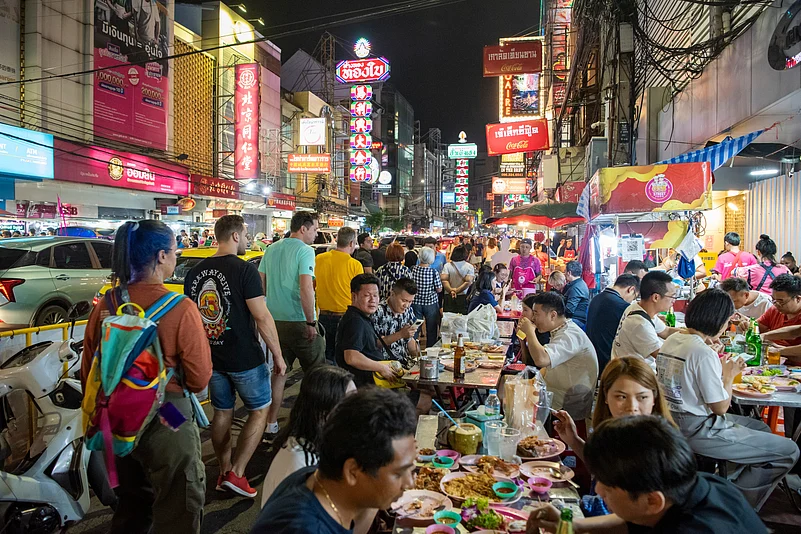
Beyond entry expansion, Thailand has also introduced administrative reforms to simplify the visa system.
On August 31, 2025, the government reduced non-immigrant visa codes from 17 to seven main categories to improve clarity and efficiency. Officials said the Ministry of Foreign Affairs has updated the electronic visa (e-Visa) system accordingly. The Ministry has coordinated with relevant agencies to implement the changes.
Thailand’s e-Visa service has also been expanded globally. Since January 1, 2025, the online visa application platform has been available across all 94 Thai embassies and consulates-general worldwide. Applicants can complete visa processes digitally without visiting an embassy in person.
At immigration checkpoints, Thailand has also rolled out the Thailand Digital Arrival Card (TDAC). This system has been operational since May 1, 2025. The TDAC replaces the earlier-proposed Electronic Travel Authorisation (ETA) system. It allows travellers to submit arrival details online up to 72 hours before entering Thailand.
With tourism still central to Thailand’s economic recovery strategy, the Cabinet’s endorsement confirms the continuity of its open-entry policy. It also indicates that stricter rules could follow if misuse of visa-free stays continues.
(With inputs from various sources.)
FAQs
1. Is Thailand’s 60-day visa-free stay still available?
Yes. The Cabinet review reaffirmed the 60-day visa exemption for eligible travellers from 93 countries and territories.
2. Can travellers extend the 60-day visa-free stay in Thailand?
Yes. Visitors can apply for a 30-day extension while in Thailand, subject to immigration approval.
3. Why is Thailand considering changes to the 60-day visa-free scheme?
Authorities flagged concerns about misuse, including repeated back-to-back entries and activities inconsistent with visa-free travel.
4. What is the Thailand Digital Arrival Card (TDAC)?
TDAC is an online arrival form system that allows travellers to submit entry details digitally up to 72 hours before arrival.
5. What is the Destination Thailand Visa (DTV)?
The DTV is a visa category introduced to attract remote workers and longer-stay travellers under a specific legal framework.