Delhi battled dangerously poor air quality on Monday, with pollution levels persisting in the ‘severe’ bracket across the capital. Official readings indicated that air conditions remained alarmingly unhealthy throughout the day, triggering concern for both residents and visitors. Amid the worsening situation, the Singapore High Commission in India released an advisory for its nationals in the Delhi-NCR region, urging them to closely adhere to directions issued by the Delhi government, including minimising time outdoors and wearing masks when venturing outside.
The Singapore High Commission in New Delhi shared the advisory through its official X account, stating that the Indian Central Pollution Control Board had invoked Stage 4 of the Graded Response Action Plan (GRAP) in the Delhi National Capital Region on December 13, 2025. It noted that this stage represents the highest level of pollution control measures, under which construction and industrial activities face stringent restrictions, while schools and offices are advised to move to a hybrid mode of functioning.
AQI At Dangerous Levels
Data from the Central Pollution Control Board’s Sameer app showed that Delhi’s overall Air Quality Index stood at 437 at around 2 pm, firmly placing it in the ‘severe’ category. Air quality monitoring stations across the capital reported readings of 400 and above, underscoring the serious health risks posed by the pollution. With no immediate improvement in sight, authorities have reiterated the need for precautionary measures, particularly for vulnerable groups such as children, the elderly and people with respiratory ailments.
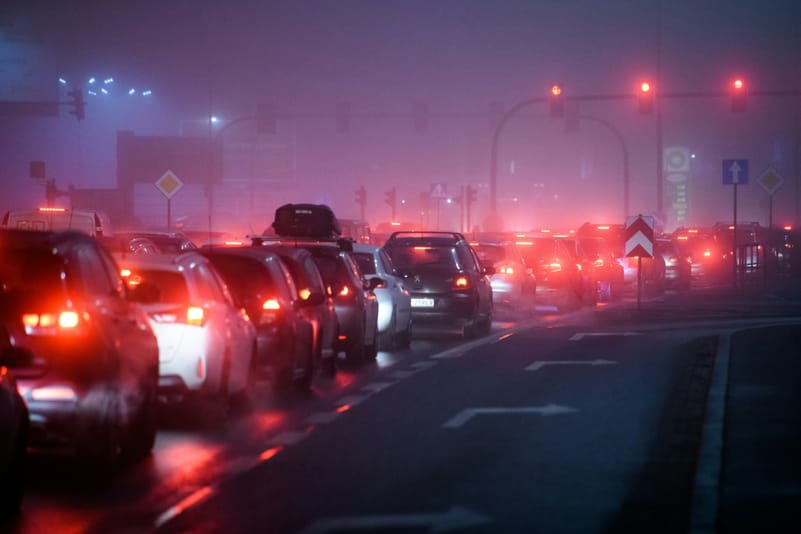

The Singapore High Commission further highlighted that the Delhi government has advised residents to remain indoors as far as possible, particularly children and individuals suffering from respiratory or heart-related conditions, and to wear masks when going outside. Echoing this guidance, the mission urged Singapore citizens in the Delhi National Capital Region to closely follow the precautionary measures issued by local authorities.
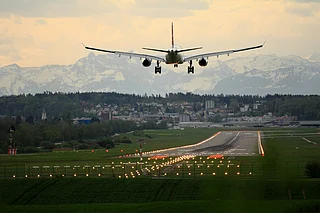
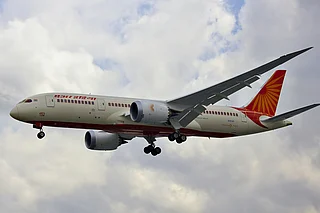
It also cautioned that poor visibility caused by dense smog could disrupt air traffic in and out of the region. The advisory noted that Indira Gandhi International Airport, along with several airlines, has already issued alerts, and travellers have been asked to stay informed by checking directly with their airlines for the latest updates.
Additionally, the High Commission said it has shared contact details for Singapore nationals in the Delhi-NCR area who may need consular support amid the ongoing pollution crisis.
International Concern
In fact, the deteriorating air quality across Delhi and large parts of northern India has triggered growing international health concerns, prompting several countries to issue travel and health advisories. The United Kingdom and Canada have also released advisories urging people to exercise heightened caution, with some advising travellers to reconsider non-essential visits due to the risks posed by severe air pollution.
In its travel guidance, the UK’s Foreign, Commonwealth & Development Office (FCDO) warned that air pollution poses a serious health threat in northern India, particularly between October and February. The advisory stressed that pregnant women and individuals with heart or respiratory conditions should seek medical advice before travelling to India.
Canada has issued a similar travel health notice, advising its citizens — especially those with respiratory issues — to closely monitor air quality levels. The notice pointed out that pollution caused by fog and smoke tends to intensify in urban centres such as Delhi during winter, while rural areas are affected by crop residue burning.
Data from the Central Pollution Control Board has underscored the severity of the situation, with the Air Quality Index reaching hazardous levels, including readings as high as 493 in areas such as Anand Vihar.
FAQs
Why have international travel advisories been issued for Delhi and northern India?
Several countries have issued advisories due to dangerously high air pollution levels, which pose serious health risks, particularly during the winter months.
Which countries have released warnings related to air quality in Delhi?
The United Kingdom, Canada and Singapore have all issued travel or health advisories cautioning their citizens about the risks linked to severe air pollution.
Who are considered most vulnerable to the effects of air pollution?
Children, the elderly, pregnant women and people with pre-existing heart or respiratory conditions are considered at higher risk.
What precautions are travellers advised to take?
Travellers are advised to monitor air quality closely, limit outdoor exposure, wear protective masks, and consult a doctor before travelling if they have underlying health conditions.
How severe has Delhi’s air pollution become?
Air Quality Index levels have reached hazardous levels in several areas, with readings touching nearly 500 in some parts of the city, indicating a serious public health concern.