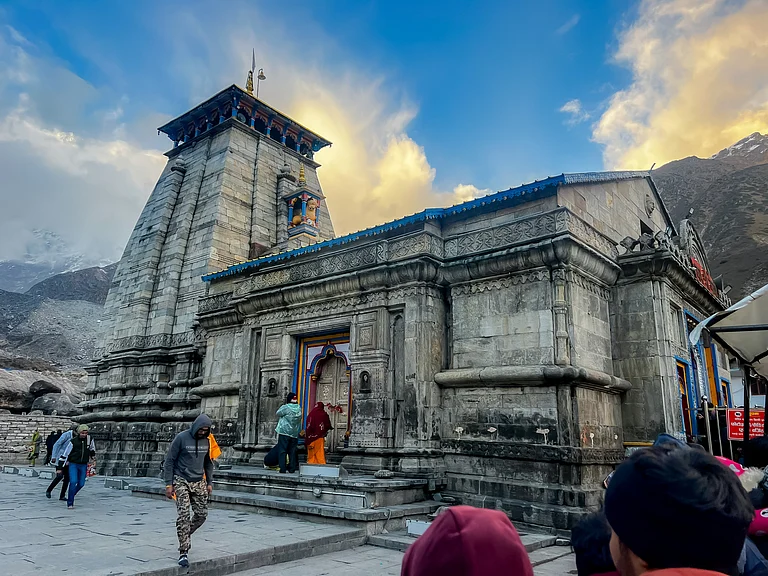


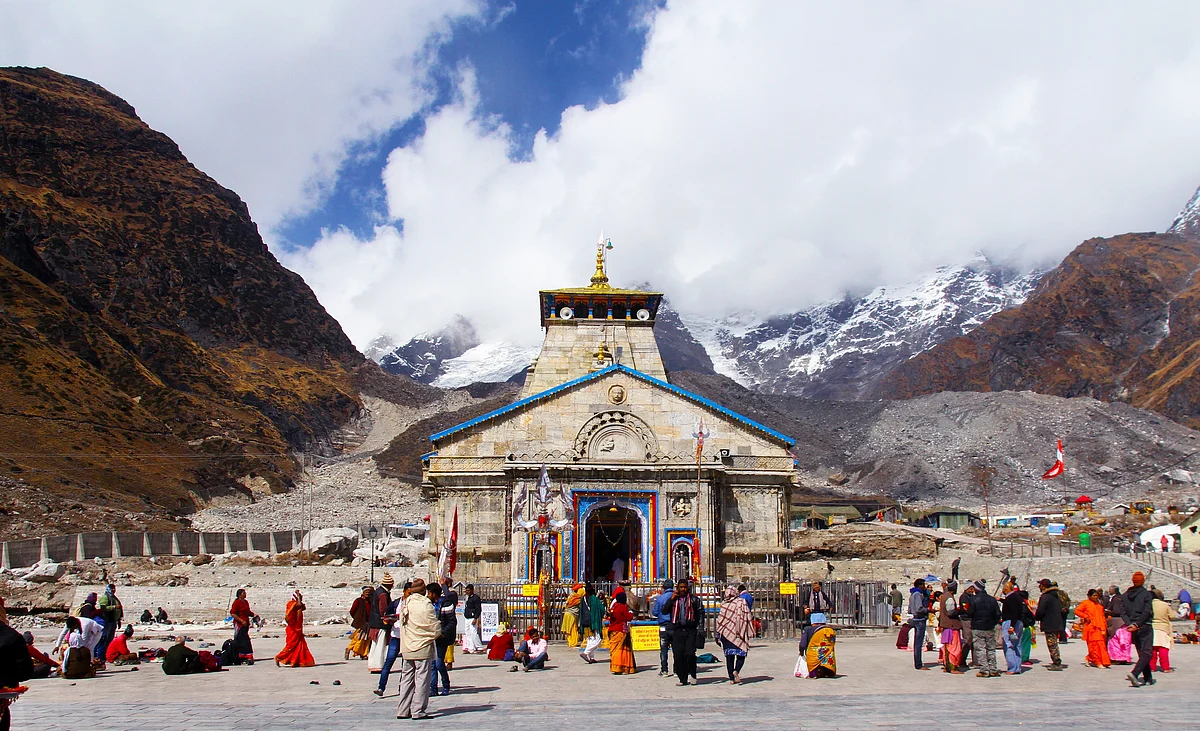
Kedarnath, a major Hindu pilgrimage site in Uttarakhand, draws lakhs of devotees each year. Reaching the temple is physically demanding because of the challenging terrain and weather, making the journey tough even for experienced pilgrims.
To improve access to Kedarnath Temple in Uttarakhand’s Rudraprayag district, the Ministry of Road Transport and Highways will construct a 7-kilometre tunnel. The project aims to enhance the safety and reliability of the pilgrimage route, especially during adverse weather. Once completed, it will provide two routes to the shrine, with one expected to remain open year-round. Subject to approvals, authorities plan to complete the tunnel in four to five years.
The Present Route
Currently, pilgrims undertake a challenging 16-kilometre trek from Gaurikund to Kedarnath Dham, passing through Rambada and Lincholi. The journey begins with a 9-km stretch from Gaurikund to Rambada, followed by a 2-km section to Lincholi, and ends with a 5-km climb to the temple. Among the four Char Dham pilgrimages, Kedarnath is considered the most demanding. High altitude, difficult terrain, and extreme weather all add to its difficulty.
Despite infrastructure upgrades after the devastating floods of June 2013, authorities still face frequent route disruptions. In July 2024, heavy rainfall forced a suspension of the yatra, followed by a landslide in early August that trapped thousands of pilgrims and caused fatalities.
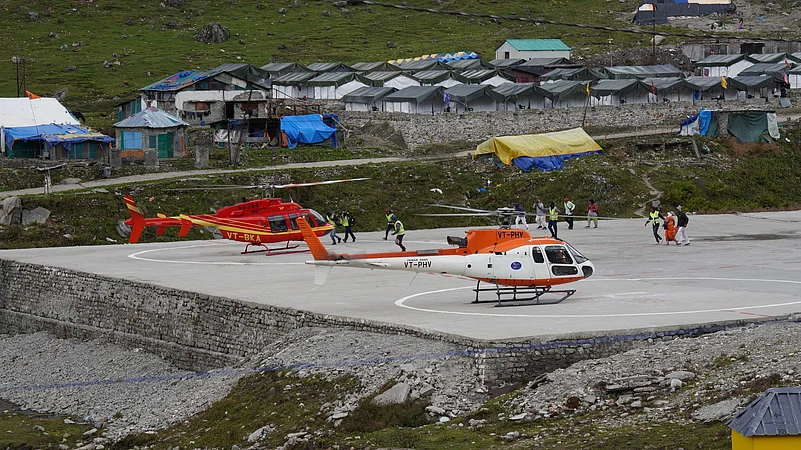

Tunnel To Cut Walking Distance To Five Kilometres
Under the new plan, the tunnel will begin at Chaumasi, the last village in the Kalimath Valley, and end at Lincholi, about 5 km from the temple. A road already exists up to Chaumasi. From there, pilgrims will pass through the tunnel and complete a shorter trek to Kedarnath.
The tunnel will be built at an altitude of about 6,562 feet. Once operational, it will reduce the walking distance from 16 km to 5 km. This change will ease the physical strain on devotees and improve emergency access during bad weather.
Survey Finds Stable Terrain, Avoids Landslide-Prone Zones
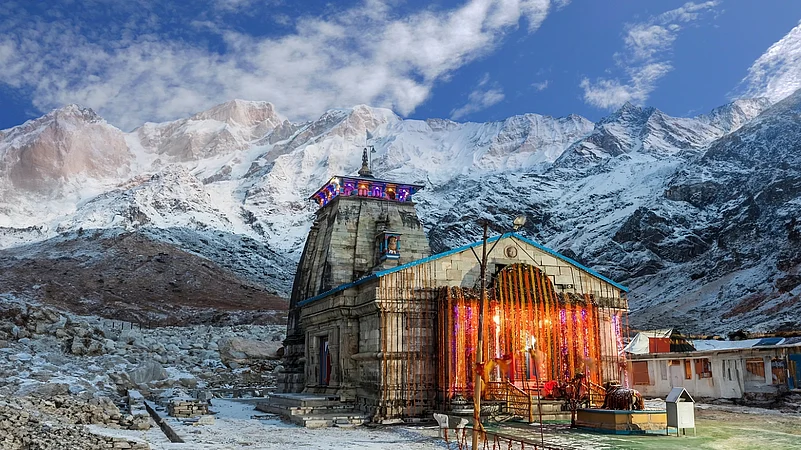
According to officials from the Ministry of Road Transport and Highways, a consultant has already completed a preliminary survey and submitted initial drawings for the tunnel. A five-member team conducted a ground survey of the Chaumasi–Kham Bugyal–Kedarnath stretch. They reported stable rock formations along the proposed route.
The survey team found no major landslide-prone zones, a key factor in finalising the alignment. They observed underground water seepage at some points, but officials say established engineering solutions can manage this during construction. The route to Kalimath branches off from Guptkashi along the Rudraprayag–Gaurikund National Highway.
Rambada Plan Dropped; Ropeway Project Also in Progress
Earlier, planners considered starting the tunnel from Rambada. However, weak geological conditions and a history of landslides led authorities to abandon the plan. They chose the revised alignment via Chaumasi to minimise risk and improve long-term stability.
The Union Cabinet has also approved a 12.9-km Kedarnath ropeway project. It will be developed under the Design, Build, Finance, Operate and Transfer (DBFOT) model at a cost of INR 4,081.28 crore. Advanced tri-cable detachable gondola technology will be used. The ropeway is expected to reduce travel time from eight to nine hours to about 36 minutes and can carry up to 18,000 passengers daily.
Together, the tunnel and ropeway projects mark a significant shift toward improving safety, accessibility, and resilience along one of India’s most vulnerable pilgrimage routes.
(With inputs from various sources.)
FAQs
1. What is the Kedarnath tunnel project?
It is a proposed 7-km tunnel aimed at improving access to Kedarnath Temple and reducing the trek distance.
2. How much will the Kedarnath trek be reduced?
The walking distance is expected to reduce from 16 km to around 5 km.
3. Where will the tunnel start and end?
The tunnel is planned from Chaumasi village to Lincholi in Uttarakhand.
4. Why was the Rambada alignment dropped?
Rambada was found to have weak geological conditions and a history of landslides.
5. When is the tunnel expected to be completed?
Subject to approvals, the project may take four to five years to complete.