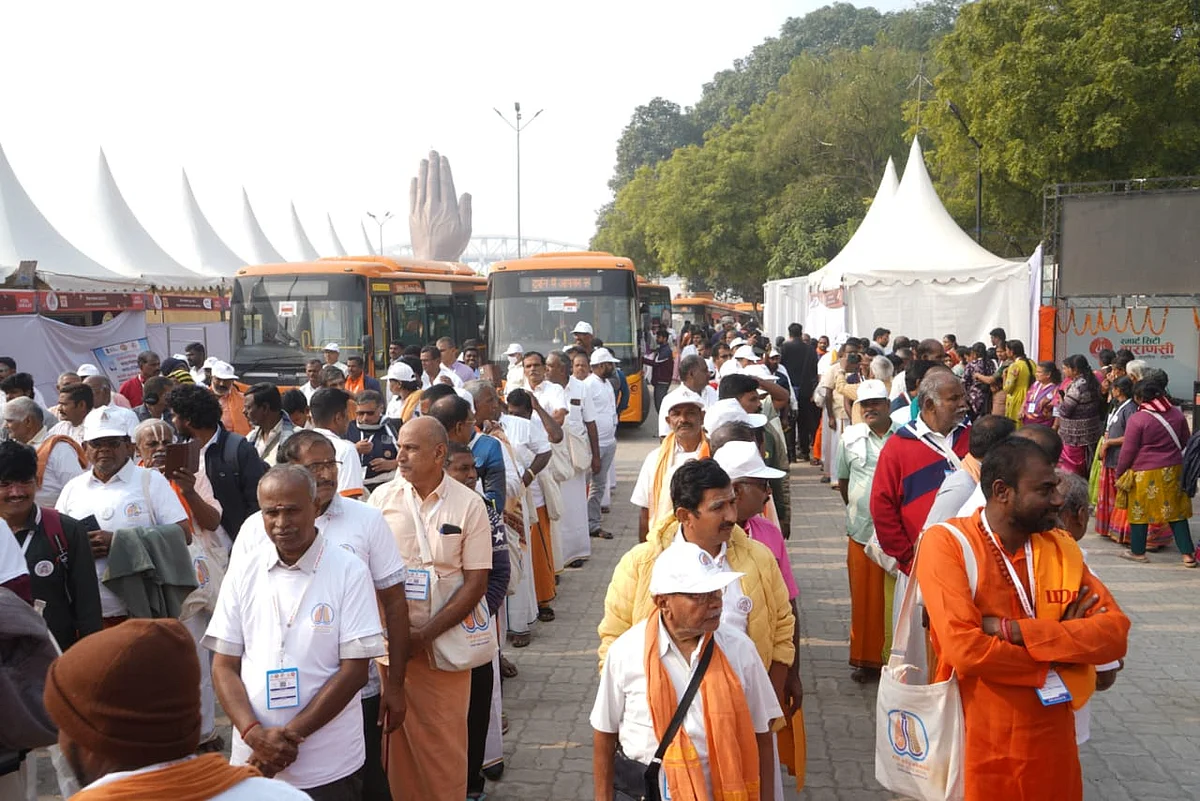
The fourth edition of Kashi Tamil Sangamam (KTS) 4.0 commenced in Varanasi on December 2, 2025, bringing together delegates from Tamil Nadu and northern India in an initiative aimed at reinforcing long-standing cultural and educational connections. The programme is being organised by the Ministry of Education, Government of India, in collaboration with the Ministries of Culture, Textiles, Railways, Tourism, Food Processing, Information and Broadcasting, and the Government of Uttar Pradesh.
The inaugural ceremony was attended by Dharmendra Pradhan, Union Minister of Education and Yogi Adityanath, Chief Minister, Uttar Pradesh, who highlighted the role of the Sangamam in promoting cultural unity and national integration. The event was first launched in 2022 during the Azadi Ka Amrit Mahotsav as a national initiative to highlight the civilisational links between India’s major centres of learning and spirituality.
This year’s edition is anchored by the Ministry of Education, with the Indian Institute of Technology Madras and Banaras Hindu University serving as knowledge partners. More than 1,400 participants, including students, artisans, scholars, spiritual leaders and cultural practitioners, are taking part with support from multiple central ministries and the Uttar Pradesh government.
As part of the programme, delegates from Tamil Nadu are visiting temples associated with Tamil history and undertaking study visits to Ayodhya and Prayagraj. The schedule includes seminars, workshops, exhibitions and cultural performances designed to encourage dialogue and the exchange of ideas. Addressing the gathering, the Union Minister of Education said, “The Sangamam has built a remarkable knowledge bridge between Kashi and Tamil Nadu,” describing it as “a people-led movement and a powerful instrument of experiential learning.” He also highlighted the theme Tamil Karkalam, Let Us Learn Tamil, which aims to place youth and language at the centre of national unity.
The Uttar Pradesh Chief Minister emphasised the spirit of national integration, stating, “This initiative opens new opportunities for cultural understanding,” and described the symbolic car rally from Tenkasi to Kashi as “a testament to India’s timeless traditions of knowledge and devotion.” Minister of State Dr L Murugan linked the event to the Prime Minister’s vision of cultural unity, calling it “a celebration of India’s civilisational heritage.”
A Cultural Showcase Of Tamil Nadu
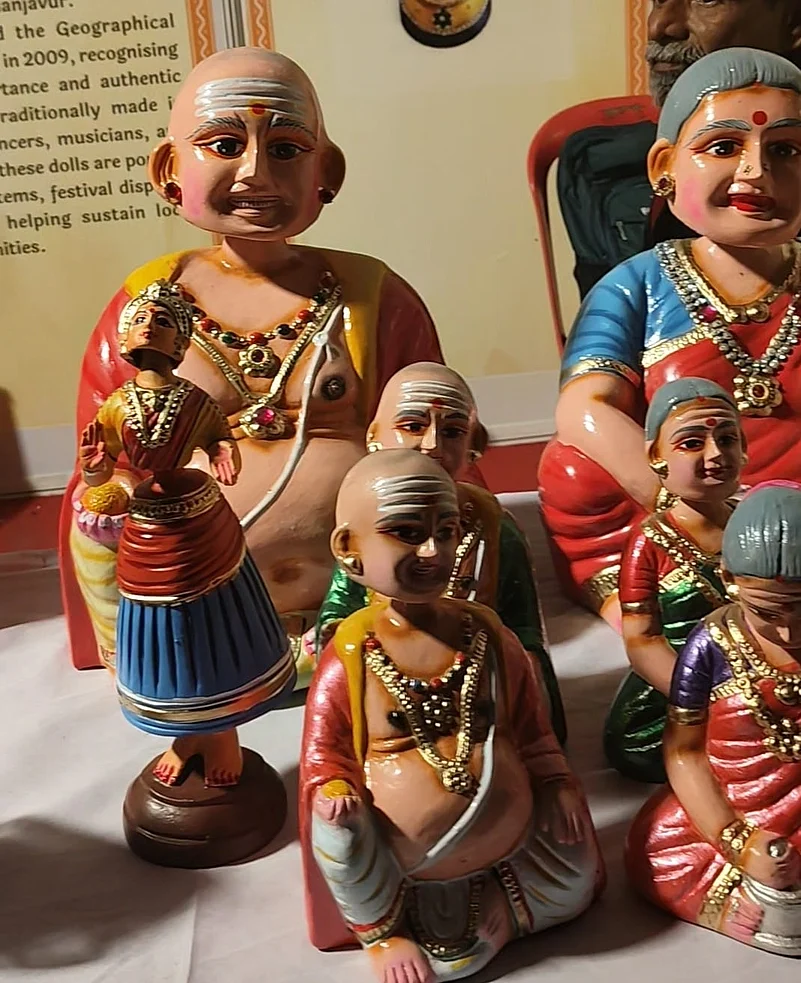

Cultural programmes have emerged as a central feature of the Sangamam. Performances by Tamil folk troupes, including Kavadi Attam, drew large audiences and highlighted ritual traditions rooted in devotion and community life. Craft exhibitions showcased Geographical Indication-tagged works, including eco-friendly creations made from repurposed materials by artisan Hariprashanth Boopathy, who said, “I wanted to show how tradition can be kind to the earth.” A student from Banaras Hindu University watching the performance remarked, “This felt like a living lesson in devotion and craft.”

Workshops and exhibitions facilitated interaction among participants from Tamil Nadu, Uttar Pradesh, Puducherry, IIT-BHU, IIT Madras and Banaras Hindu University, enabling exchanges of artistic techniques, motifs and narratives. A significant academic milestone during the event was the release of multilingual translations of the Tolkappiyam by the Central Institute of Classical Tamil, reinforcing the view that classical knowledge should be accessible to all. The initiative also received linguistic support from the Central Institute of Indian Languages in Mysuru and logistical assistance from the Indian Railway Catering and Tourism Corporation.
Local participation has been notable, with residents of Varanasi attending workshops in large numbers and engaging with festival installations and performances. Many visitors explored Tamil customs and artistic traditions with curiosity, reflecting a growing interest in cultural exchange.
The Sangamam has also revived memories of the centuries-old journeys undertaken by Tamil scholars, saints and merchants who travelled to Kashi in pursuit of learning, sacred geography and shared Shaivite traditions. These interactions led to the formation of small Tamil communities in the city, some of which continue to exist today. KTS 4.0 mirrors this historic exchange in a contemporary form, combining cultural celebration with academic engagement.
FAQs
1. What is Kashi Tamil Sangamam?
Kashi Tamil Sangamam is a government-led cultural initiative that highlights the historic links between Tamil Nadu and Varanasi through language, education, spirituality and shared traditions.
2. When and where is Kashi Tamil Sangamam 4.0 being held?
The fourth edition began on December 2, 2025, in Varanasi, Uttar Pradesh, with participants travelling from Tamil Nadu and other regions.
3. Who is organising Kashi Tamil Sangamam 4.0?
It is organised by the Ministry of Education, Government of India, with support from multiple central ministries and the Uttar Pradesh government.
4. Why are Tamil Nadu and Varanasi historically connected?
For centuries, Tamil scholars, saints and pilgrims travelled to Kashi for learning and worship, creating enduring linguistic, Shaivite and cultural connections.
5. What activities take place during the Sangamam?
The programme includes temple visits, academic seminars, workshops, craft exhibitions, folk performances and cultural exchanges involving students and artisans.
6. Why is Kashi Tamil Sangamam important today?
It promotes cultural understanding, language learning and national integration while reviving India’s shared civilisational memory in a contemporary, people-led format.