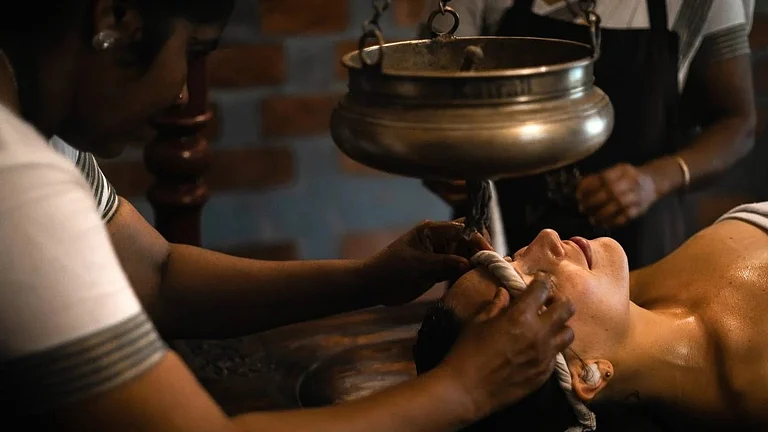
The first International Ayurveda and Wellness Conclave 2026 concluded in Kozhikode with a clear message: Ayurveda is no longer being discussed only as an ancient system of healing, but as a contemporary, globally relevant wellness framework rooted in sustainability, research, and responsible tourism. Organised by the department of tourism, government of Kerala, in association with the Ayurveda Promotion Society, the two-day conclave on February 2 and 3, 2026, created a structured platform for dialogue between practitioners, policymakers, researchers, tourism leaders and international stakeholders.
Hosted in Kozhikode, a city long associated with global exchange and cultural openness, the conclave reflected Kerala’s growing confidence in presenting its Ayurveda ecosystem to the world. The event was followed by an International Ayurveda and Yoga Ambassadors Tour across the state, extending the conversations beyond conference halls into the lived experiences of Kerala’s wellness landscape.
Setting The Context For Global Ayurveda
The inaugural session set the tone for the conclave by underlining Kerala’s ambition to be recognised as the global hub for Ayurveda and wellness. Addressed by senior representatives from the tourism and Ayurveda sectors, the opening emphasised the need to align classical Ayurvedic knowledge with modern expectations of quality, research credibility and international standards. Eminent contributors to the growth of Ayurveda and wellness tourism were honoured, reinforcing the continuity between tradition and present-day leadership.
Senior voices from across Ayurveda, wellness tourism and policy anchored the conclave’s intellectual core through tightly curated panel discussions. The opening panel on Kerala as a Global Hub of Ayurveda brought together Dr T S Krishna Kumar of Rashtriya Ayurveda Vidyapeeth, Dr Indulal of Akami Ayurveda Foundation, Jose Dominic, co-founder of CGH Earth Experience, and Prof Dr Alathiyoor Narayanan Nambi of Ashtangam Ayurveda Chikitsalayam. Moderated by Dr Induchoodan, the session examined global market trends, Kerala’s classical Ayurveda legacy rooted in Ashtavaidya traditions, and the challenge of branding Kerala Ayurveda for international audiences without eroding authenticity. Speakers drew on clinical practice, hospitality experience and institutional knowledge to underline why Kerala’s regulated ecosystem endows it with long-term credibility in global wellness tourism.


The conversation then moved into integration, research and medical value travel through subsequent panels. The session on Integrating Ayurveda and Yoga into Wellness Tourism featured Dr Hari Pallatheri of Sudarshanam Ayurveda and Isha Yoga Centre, Kaithapram Vasudevan Namboothiri of Patanjali Yoga Training and Research Centre, Dr Nariparambu Devan Nampoothiri, and Dr Raveendranath PMS of Poonthottam Ayurvedasram, with Dr Yadunanandan K P as moderator, focusing on holistic health models and long-stay wellness programmes. Research and international acceptance were addressed by Dr P R Ramesh of Arya Vaidya Sala Kottakkal, Dr Pradeep K, Dr Ram Manohar of Amrita Ayurveda, and Dr Kiratha Moorthi, moderated by Dr Manoj Kaloor, highlighting evidence-based practice and global standards.
From the outset, the conclave positioned itself as a policy and knowledge-driven platform rather than a promotional showcase. Discussions focused on how Ayurveda can respond to global wellness trends, growing demand for preventive healthcare and the expanding market for medical value travel.
Kerala As A Global Hub For Ayurveda
The first panel discussion explored Kerala’s positioning in the international Ayurveda market. Speakers from academic, clinical and hospitality backgrounds traced how Kerala’s unique lineage of Ayurveda practice, including its Ashtavaidya traditions and institutional frameworks, has helped the state stand apart globally. Conversations examined branding challenges and opportunities, particularly how Kerala Ayurveda can be communicated in international markets without diluting its authenticity.
The panel also reflected on market trends that show rising global interest in long-stay therapeutic programmes, personalised treatments and holistic healing environments. Kerala’s model, built around trained physicians, regulated institutions and an integrated tourism ecosystem, was presented as a benchmark that balances tradition with accountability.

Integrating Ayurveda And Yoga Into Wellness Tourism
A key highlight of the conclave was the emphasis on Ayurveda and yoga as complementary systems within wellness tourism. Panellists discussed how integrated programmes are increasingly sought after by international travellers looking for physical healing, mental balance and lifestyle correction. The dialogue moved beyond surface-level wellness to examine how Ayurveda and yoga together address long-term wellbeing rather than short-term relaxation.
Kerala’s experience in offering combined Ayurveda and yoga retreats was cited as an example of how ancient disciplines can be adapted to contemporary wellness travel without losing their philosophical depth. Speakers also highlighted the importance of qualified practitioners, structured training and ethical practice in maintaining global trust.
Research, Credibility, And International Acceptance
Scientific credibility emerged as a central theme during the sessions on research and international acceptance. Researchers and academicians shared insights into ongoing clinical studies, documentation efforts and collaborations aimed at strengthening evidence-based Ayurveda. The presence of NABH AYUSH assessors and research heads from established institutions reinforced the message that global acceptance depends on transparency, quality benchmarks, and consistent outcomes.

Discussions also addressed the gap between traditional knowledge and modern research frameworks, calling for interdisciplinary collaboration that respects classical texts while engaging with contemporary science. This approach was positioned as critical for Ayurveda’s integration into global health and wellness conversations.
Ayurveda And Medical Value Travel
Medical value travel formed a significant strand of the conclave. Industry leaders and international tour operators discussed the growing demand for Ayurveda-based therapeutic care, particularly for chronic conditions, lifestyle disorders and post-treatment recovery. Kerala’s leadership in this space was attributed to its established hospitals, experienced physicians and supportive tourism infrastructure.
The panel on Medical Value Travel and Ayurveda featured industry leaders Baby Mathew of Somatheeram Ayurveda Group, Karthik Dave of Ideeglobous Reisen, M D Javed Khan of Tulah Clinical Wellness, and C S Vinod of ITP Tourism Managers, moderated by Sivaprasad P V, focusing on international patient flows, specialist tour operations and Kerala’s leadership in Ayurveda-led medical value travel.
The session highlighted how medical value travel in Ayurveda differs from conventional medical tourism, focusing on long-term healing, personalised care and preventive health. Kerala’s ability to offer these services within a culturally rich and environmentally soothing setting was identified as a key competitive advantage.
Sustainability As A Core Narrative
Sustainability was not treated as a separate theme but woven into multiple discussions throughout the conclave. Speakers emphasised that Ayurveda, by its very philosophy, advocates harmony between humans and nature. Kerala’s wellness tourism model increasingly reflects this through eco-sensitive architecture, responsible resource use, organic herb cultivation and community engagement.
The conclave underscored the idea that sustainable wellness tourism benefits not only travellers but also local communities and ecosystems. This narrative resonated strongly with international stakeholders seeking responsible tourism models that prioritise long-term value over volume-driven growth.
B2B Engagement And Industry Collaboration
The second day of the conclave focused on structured B2B interactions, connecting Ayurveda service providers from Kerala with international and domestic buyers, yoga operators and wellness tourism professionals. Hosted at a dedicated venue in Kozhikode, the exhibition and networking sessions facilitated direct engagement, partnership building and market exploration.

This trade-focused segment reinforced the conclave’s objective of translating dialogue into tangible collaboration. By bringing sellers, buyers and intermediaries onto a single platform, the event strengthened Kerala’s position within the global wellness tourism supply chain.
Following the conclave, international delegates embarked on a curated Ayurveda and yoga ambassadors tour across Kerala. The itinerary included destinations such as Wayanad, Thrissur, Kochi, Alappuzha, Varkala and Kovalam, offering exposure to Ayurveda resorts, wellness retreats, yoga centres, hospitals and manufacturing units. Cultural experiences such as Kerala Kalamandalam and the Kochi Muziris Biennale provided additional context, linking healing practices with living heritage.
This immersive journey allowed delegates to experience Kerala’s wellness ecosystem firsthand, reinforcing the discussions held during the conclave and deepening understanding of how Ayurveda, tourism and culture intersect on the ground.

The International Ayurveda and Wellness Conclave 2026 concluded with a shared understanding that Kerala’s Ayurveda narrative has evolved into a multidimensional global proposition. By bringing together policy, research, industry and tourism on a single platform, the conclave articulated a clear direction for the future of Ayurveda and wellness tourism.
Rooted in Kozhikode and extending across the state, the conclave demonstrated how Kerala is shaping conversations around sustainable wellness, medical value travel and global collaboration. The outcomes of IAWC 2026 position Kerala not only as a destination for healing but as a thought leader influencing how Ayurveda is understood and practised worldwide.
FAQs
1. What is the International Ayurveda and Wellness Conclave 2026?
IAWC 2026 is a global platform organised by Kerala Tourism to position Ayurveda as a modern, research-backed and sustainable wellness system.
2. Why was Kozhikode chosen to host IAWC 2026?
Kozhikode’s historical role in global exchange and Kerala’s strong Ayurveda ecosystem made it an ideal host city for international dialogue.
3. How is Kerala positioning itself as a global Ayurveda hub?
Through regulated practice, research-backed credibility, integration with yoga, sustainability-led tourism and policy-driven wellness initiatives.
4. What role does sustainability play in Kerala’s wellness tourism model?
Sustainability is central, focusing on eco-sensitive design, ethical practice, community engagement and harmony with nature, aligned with Ayurveda philosophy.
5. What is medical value travel in Ayurveda?
Medical value travel in Ayurveda focuses on long-term healing, preventive care and personalised therapies rather than short-term clinical treatment.