

New Year’s Eve often means late-night parties, large gatherings, and moving from one venue to another. In a city like Delhi, that movement is a familiar part of the celebration. With that in mind, as the national capital prepares to welcome New Year 2026, the Delhi Traffic Police has announced a series of traffic advisories and restrictions across key celebration hotspots.
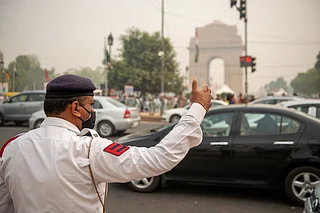
Anticipating heavy crowds and late-night foot traffic on New Year's Eve, authorities have implemented extensive traffic controls to manage congestion and reduce risks in busy areas. These measures will remain in effect through the evening and into January 1 in select locations. They aim to ensure public safety, smoother pedestrian movement, and steady traffic flow as the city transitions into the New Year.
Connaught Place Traffic Restrictions
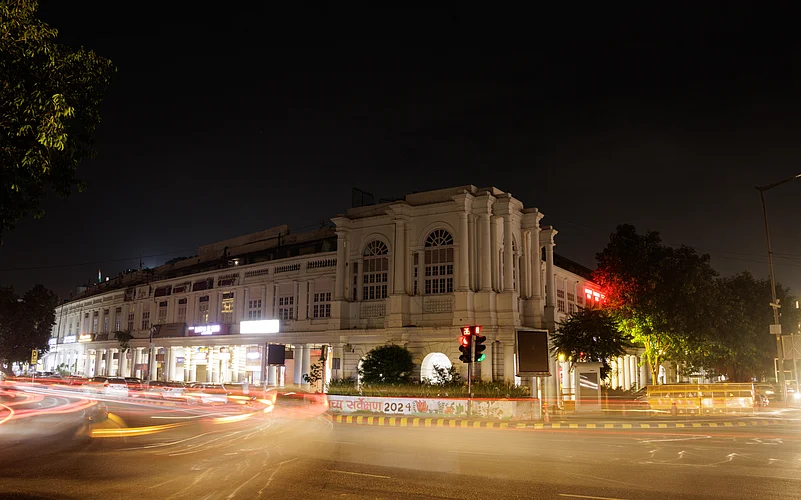

Connaught Place, one of Delhi’s busiest New Year’s Eve gathering zones, will face the most extensive curbs. From 7:00 pm on December 31, vehicular movement towards the area will be heavily restricted. Only vehicles with valid entry passes will be allowed into the Inner, Middle, or Outer Circles of Connaught Place.
Police have identified several cut-off points beyond which vehicles will not be allowed to proceed. These include Mandi House, Bengali Market, the north foot of Ranjit Singh Flyover, Minto Road near Deen Dayal Upadhyaya Marg, Munje Chowk near New Delhi Railway Station, Gole Market, Patel Chowk, Kasturba Gandhi Marg, Jai Singh Road, and Windsor Place. The restrictions aim to prevent congestion in the central business district, which traditionally sees heavy footfall on New Year’s Eve.
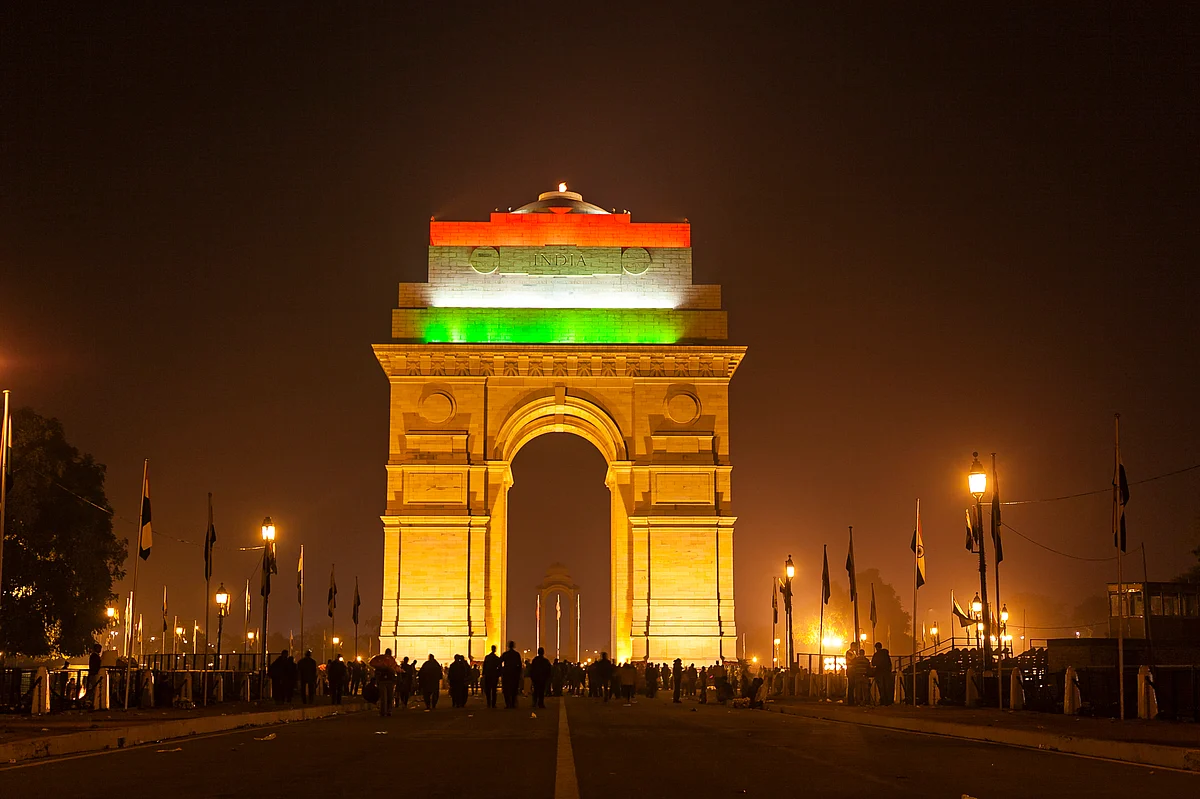
India Gate Traffic Advisory
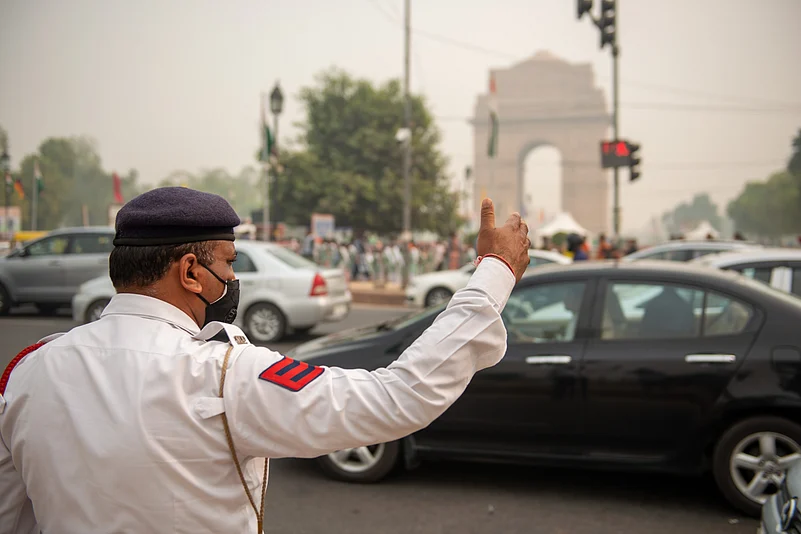
Special traffic arrangements are planned around the India Gate complex due to anticipated heavy pedestrian movement. If crowds build up, vehicles may be barred from passing through the C-Hexagon and surrounding intersections, including Q-Point, Sunheri Masjid Road, Janpath, Rajpath–Rafi Marg, Windsor Place, and parts of Mandi House.
Visitors to India Gate and the Delhi Zoo are advised to use public transportation, as parking along Mathura Road and nearby stretches is expected to be limited.
Saket Traffic Advisory
In South Delhi’s Saket area, restrictions will be in effect on Press Enclave Road and the internal roads of Saket and Pushp Vihar. Diversion points are at Sheikh Sarai red light, Asian Market red light, and PTS Malviya Nagar red light.
Entry of heavy vehicles and Delhi Transport Corporation (DTC) buses will be restricted on both carriageways of Press Enclave Road and Pushp Vihar from the MB Road side. Commuters travelling between Chirag Delhi and Qutub Minar are advised to use alternative routes as notified by traffic personnel.
Paharganj Traffic Advisory
In Paharganj, traffic restrictions have been implemented in anticipation of the large number of devotees expected at Shri Mata Jhandewalan Mandir during the New Year celebrations. Roads around Rani Jhansi Road are likely to be congested, especially during peak evening and late-night hours.
Motorists are advised to avoid Rani Jhansi Road and nearby stretches during this period and take alternative routes such as DBG Road, New Rohtak Road, and adjoining roads. The traffic advisory for Paharganj will remain in effect on December 31 and January 1.
Delhi Parking Rules For New Year's Eve
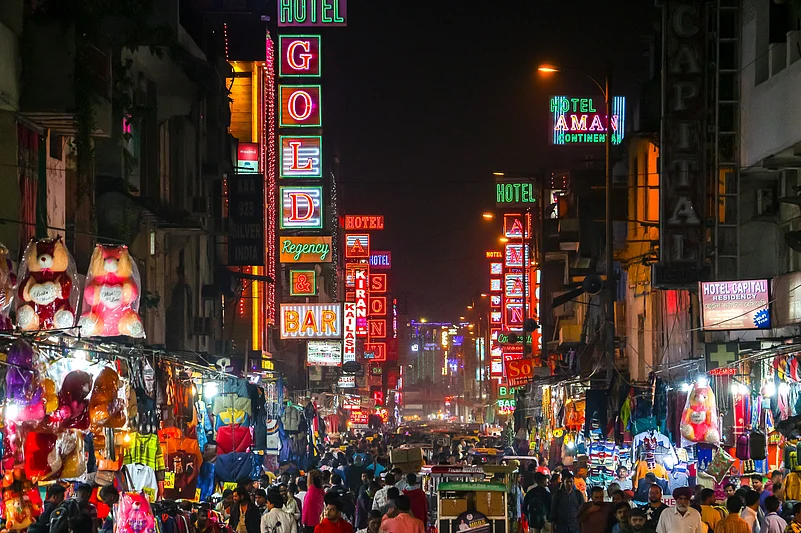
Parking around Connaught Place will be strictly regulated, with limited slots available on a first-come, first-served basis. Designated parking locations include stretches near Kali Bari Marg, Pt. Pant Marg, Bhai Veer Singh Marg, Rakab Ganj Road behind All India Radio, Copernicus Marg near Mandi House, DD Upadhyaya Marg, Panchkuian Road, KG Marg–Ferozeshah Road, Babar Road, Tansen Marg, Windsor Place, and Jantar Mantar Road.
Authorities warn that unauthorised vehicles parked in restricted or no-parking zones will be towed and prosecuted. Commuters are advised to avoid driving into central Delhi unless necessary.
Railway Station Access Remains Largely Unaffected
While traffic curbs will affect several arterial roads, access to railway stations remains largely functional. Old Delhi Railway Station will remain unaffected by the restrictions. Passengers heading to New Delhi Railway Station from the south are advised to use alternative routes such as Ram Manohar Lohiya Park Street, Mandir Marg, Rani Jhansi Road, and Desh Bandhu Gupta Road.
Entry via Chelmsford Road near Connaught Place will be closed. Travellers are advised to approach the station through the Ajmeri Gate side to avoid delays.
Diversions Planned For North-South And East-West Movement
To facilitate smoother cross-city movement, the traffic police have suggested alternative routes. For north–south travel, commuters can use Ring Road between ISBT and Ashram or routes via Rani Jhansi Marg, Panchkuian Road, Mandir Marg, Park Street, and Mother Teresa Crescent.
For east–west movement, recommended corridors include Ring Road, Bhairon Road, Mathura Road, Subramaniam Bharti Marg, and Mother Teresa Crescent. These diversions are expected to absorb redirected traffic from central zones under restriction.
The traffic police urge residents and visitors to plan travel in advance, follow on-the-ground instructions, and use public transport. Helpline numbers and official social media channels will provide real-time updates as the city transitions into the New Year.
(With inputs from various sources.)
FAQs
1. When will Delhi’s New Year traffic restrictions begin?
Most restrictions will begin from 7:00 pm on December 31 and continue into January 1 in select areas.
2. Which areas in Delhi will face the strictest curbs?
Connaught Place, India Gate, Saket and Paharganj are expected to face major restrictions.
3. Will parking be allowed in Connaught Place on New Year’s Eve?
Parking will be limited and allowed only at designated locations on a first-come basis.
4. Are railway stations affected by traffic restrictions?
Old Delhi Railway Station access remains unaffected, while some routes to New Delhi Railway Station are restricted.
5. Should commuters avoid driving into central Delhi?
Yes. Authorities recommend using public transport and avoiding central Delhi unless necessary.