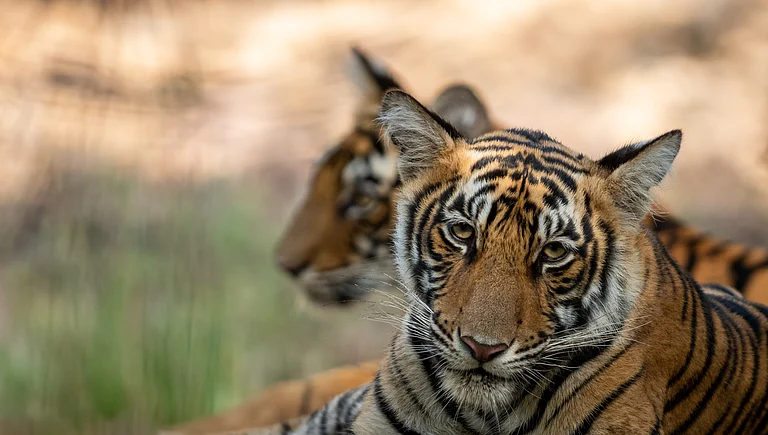


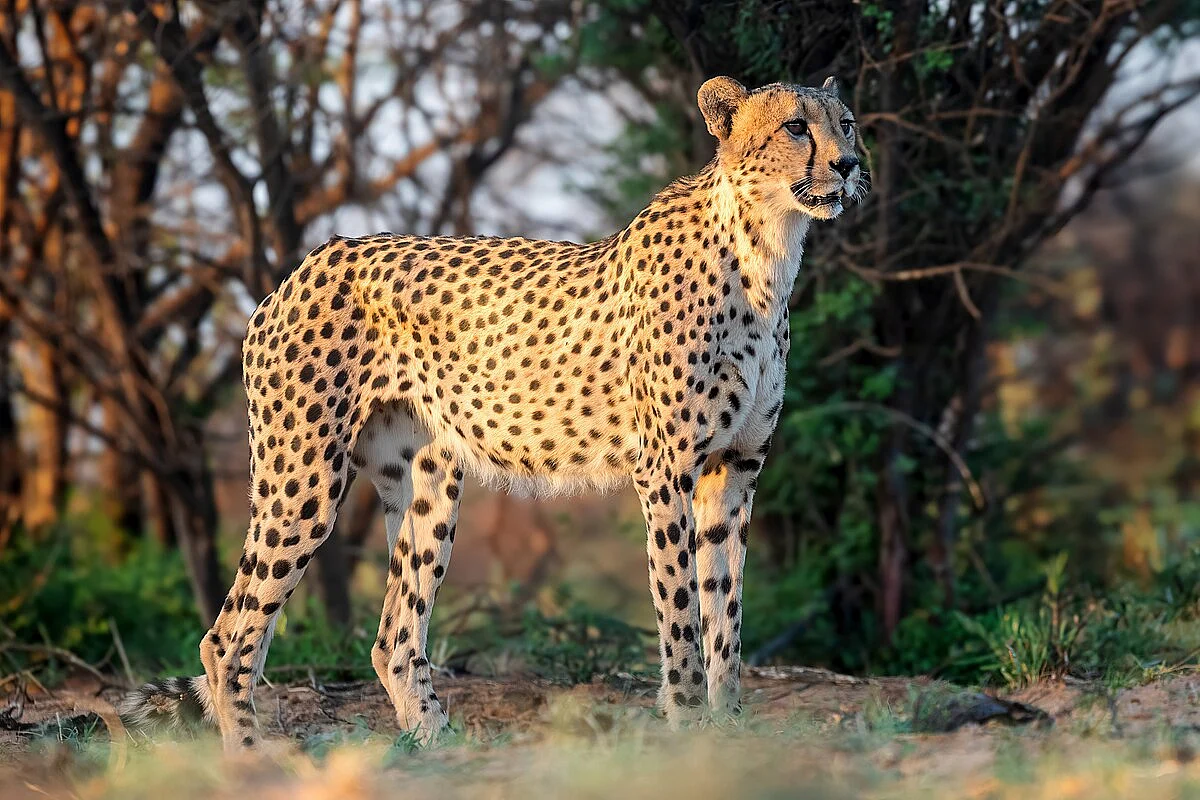
A cheetah cub was killed after being hit by a vehicle on the Agra–Mumbai National Highway near Gwalior early on Sunday, December 7, 2025, marking the second cheetah death in Madhya Pradesh within 48 hours. The cub had strayed out of Kuno National Park and was struck between 5 and 6 am on the Shivpuri Link Road near Ghatigaon’s Simariya turn. Forest officials are still searching for another cheetah that remains missing.
This incident follows another recent loss in the state. Sasha, a five-year-old Namibian cheetah, died last month from a kidney infection. She was part of the first group of cheetahs brought to Kuno National Park and one of five female cheetahs flown in from Namibia last year. With her death, only 18 of the 20 cheetahs introduced under the world’s first intercontinental translocation project—an effort to reintroduce the species to India—now remain.
The Cheetah Revival Project
Eight cheetahs flown in from Namibia were released into Kuno National Park by Prime Minister Narendra Modi on his birthday last year, marking a landmark step in India’s efforts to revive the species. A second batch followed from South Africa, comprising seven males and five females.
India lost its native cheetahs in 1952, when the species was officially declared extinct in the country. Momentum for their return accelerated in 2020 after the Supreme Court approved the introduction of African cheetahs—considered a separate subspecies—at a “carefully chosen location” as part of a trial programme.


The reintroduction plan envisions importing 12–14 cheetahs from Namibia, South Africa, and other African nations over an initial period of five years to serve as a founder population, with further transfers planned as needed.
South Africa has also signed a long-term agreement to send dozens of additional cheetahs to India over the next decade, strengthening the country’s largest and most ambitious wildlife restoration initiative.
Growing Concerns Over Project Cheetah
Critics of India’s cheetah reintroduction project argue that it suffers from high mortality, weak scientific grounding, and major ecological gaps. They highlight the use of African cheetahs instead of the extinct Asiatic subspecies, limited prey and habitat in Kuno, and recurring deaths that point to management failures.
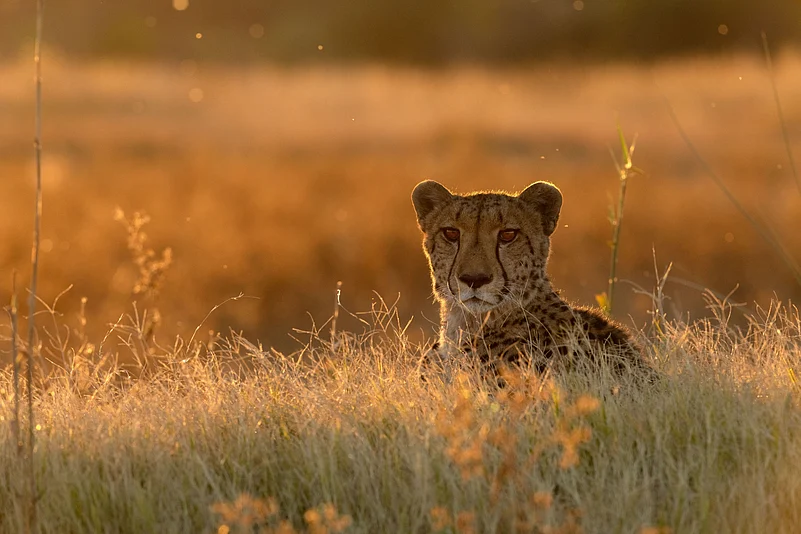
Many believe the programme has taken on political overtones, sidelining experts and prioritising optics over ecology. They also warn that the project diverts crucial resources from native endangered species such as the Asiatic lion and great Indian bustard. Adding to the concerns are socio-ecological issues, including displacement of local communities and a lack of transparency around land use—raising questions about the project’s long-term viability and ethics.
FAQs
Why is India bringing cheetahs from Africa instead of using Asiatic cheetahs?
India’s native Asiatic cheetahs are critically endangered and survive only in Iran, which has refused to part with any individuals. As a result, African cheetahs—genetically similar but a different subspecies—were chosen for India’s reintroduction attempt.
Why is Kuno National Park the main release site?
Kuno was selected for its relatively open landscape and previous plans to host large carnivores, such as the Asiatic lion. However, critics argue that Kuno lacks adequate prey and space for a self-sustaining cheetah population.
Why are so many cheetahs dying?
Mortality has resulted from infections, territorial stress, injuries, and adaptation challenges. Experts say these deaths reflect gaps in habitat suitability, monitoring, and overall scientific planning.
Is Project Cheetah affecting other wildlife conservation efforts?
Yes, according to conservationists who believe funding and political attention have shifted away from native endangered species like the Asiatic lion, caracal, and great Indian bustard.