

As the Union Budget 2026 draws closer, India’s travel and tourism sector is no longer talking about recovery. That phase is behind us. Flights are full again, hotel occupancies are steady, and travellers, both domestic and international, are exploring destinations beyond the usual suspects.
The real question now is different, and far more pressing: Is India actually ready for what comes next?
Because the next wave of travel isn’t limited to big cities or luxury resorts. It’s heading towards pilgrimage towns, wellness retreats, rural clusters, cultural circuits, and villages that have never before been on the tourism map. And readiness, in this context, means far more than footfall.
Tourism today contributes close to 7–8 per cent of India’s GDP and supports over 40 million livelihoods. But its impact stretches well beyond hotels and airlines. It sustains drivers, artisans, farmers, guides, weavers, MSMEs, and local service providers, often in places where few other industries can reach. That makes tourism not just an economic sector, but a social one.
Budget 2026, therefore, comes with expectations that go beyond incremental allocations. The industry is looking for signals that tourism is being treated as a long-term growth engine, planned, scalable, and resilient.
Why Hotels Still Need To Be Seen As Infrastructure
One of the most persistent demands from the hospitality industry is simple, and long overdue: formal recognition of hotels as infrastructure assets.
Hotels are not short-term ventures. They are capital-intensive, long-gestation projects that anchor entire destinations for decades. A single hotel can trigger employment across skill levels and create sustained economic activity in its surrounding ecosystem. Yet, without infrastructure status, access to long-term and affordable financing remains limited.
This becomes especially critical in Tier II and Tier III cities, where demand is rising faster than quality supply. These markets, fuelled by religious tourism, destination weddings, MICE travel, and wellness retreats, represent the next phase of India’s tourism growth. But without patient capital, hotel development in these regions often remains fragmented or delayed.
Granting infrastructure status could unlock institutional funding and enable more disciplined, demand-led hotel expansion, rather than reactive growth driven by short-term spikes.
Taxation, too, remains a sticking point. India’s GST structure for hospitality is still among the higher ones globally, with limited access to input tax credit affecting pricing and margins. The industry is closely watching Budget 2026 for any move towards GST rationalisation, restoration of input tax credit, or parity across hotel services. Such measures would not just help hotels, it would make Indian destinations more competitive, more affordable, and more transparent.
Rural Tourism: From Concept To Reality


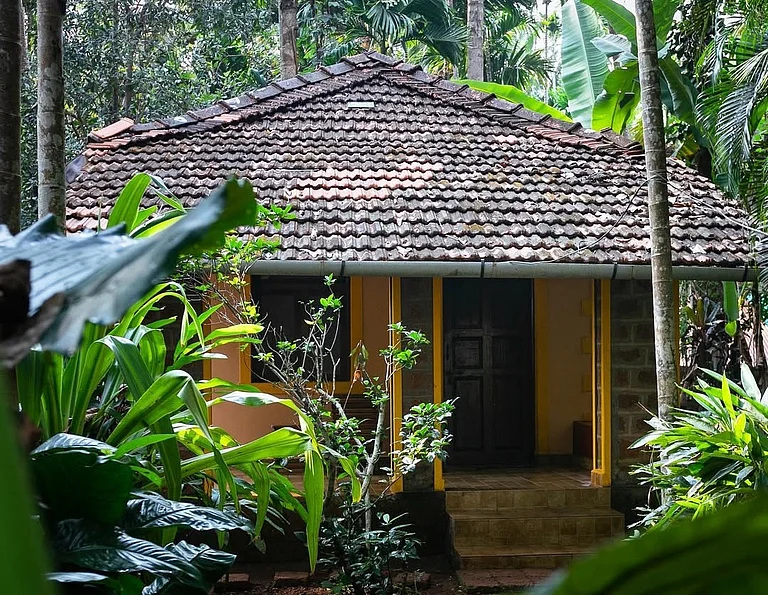
While hotels dominate urban conversations, rural tourism is quietly becoming one of India’s most interesting travel stories.
Backed by the National Strategy and Roadmap for Rural Tourism, village tourism is now being positioned as a serious livelihood generator rather than a side attraction. Homestays, agro-tourism, local crafts, food experiences, and community-led storytelling are being encouraged as sustainable economic models rooted in local participation.
Platforms like the Rural Tourism Village Portal have made it easier for travellers to discover these experiences, while also connecting hosts to government support. The Best Tourism Village Competition, which has recognised 35 villages across the country, has further spotlighted destinations that are preserving culture while welcoming visitors responsibly.
Infrastructure support is coming through the Swadesh Darshan Scheme, where rural tourism has been identified as a key thematic circuit. Under Swadesh Darshan 2.0, the focus has shifted to destination-centric development—improving roads, connectivity, sanitation, and visitor facilities, rather than creating isolated attractions.
Tribal homestays under the Pradhan Mantri Janjatiya Unnat Gram Abhiyan add another important layer to this push, ensuring that tourism growth reaches communities that have historically remained on the margins.
Sustainability Is No Longer Optional
If there is one theme quietly running through tourism conversations ahead of Budget 2026, it is sustainability.
Across the country, hotels are investing in renewable energy, water conservation, waste management, and green building practices, not just for optics, but for long-term efficiency. What the industry now needs is policy support that accelerates this transition.
Green financing options, tax incentives, or accelerated depreciation for sustainable assets could significantly improve adoption, especially among mid-sized hotels and independent operators.
At the same time, destination readiness goes beyond infrastructure. Better air connectivity, smoother e-visa processes, destination management organisations, and targeted promotion of high-value segments, such as MICE, destination weddings, wellness, and medical tourism, remain critical. These segments bring higher spend, reduce seasonality, and strengthen tourism’s multiplier effect across the economy.
A Budget That Looks Beyond Numbers

India does not need unchecked hotel growth or indiscriminate destination development. What it needs are the right rooms in the right places, supported by competitive pricing, sustainable practices, and genuine community participation.
As domestic travel remains strong and global interest in India continues to rise, Budget 2026 has an opportunity to align policy ambition with on-ground realities. If it gets the balance right, it can help build a tourism ecosystem that is not only future-ready, but also inclusive, resilient, and compelling enough to keep travellers coming back.
This isn’t about revival anymore. It’s about readiness.
And that’s where the real test lies.
FAQs
1. Why is Budget 2026 important for tourism and hospitality?
It addresses hotel capacity, rural tourism, tax competitiveness, and sustainability at a time when travel demand is rising across India.
2. How does Budget 2026 support rural tourism?
Through homestay promotion, rural tourism circuits, digital platforms, and infrastructure funding under schemes like Swadesh Darshan 2.0.
3. What changes are expected for hotels in Budget 2026?
Industry expectations include infrastructure status for hotels, easier access to long-term capital, and GST rationalisation.
4. How will travellers benefit from these measures?
Improved accommodation quality, better destination infrastructure, wider travel choices, and potentially more competitive pricing.
5. Which regions are likely to see the biggest impact?
Tier II and III cities, tribal regions, and emerging rural destinations across the Northeast, Himalayas, and coastal belts.