

Nearly 145 years after it was launched, the Darjeeling Himalayan Railway (DHR) has appointed its first woman ticket examiner. Sarita Yolmo began her railway career in the Railway Press wing and took on the role of a TTE on the DHR on February 12, 2026, becoming the first woman to be deployed on the heritage railway's route. Describing the moment as deeply meaningful, Yolmo said it was an honour to mark a historic first for a globally renowned railway system with more than 100 years of legacy behind it.
From Press Floor to Mountain Line
Yolmo calls the Darjeeling hills home. She began her career with the railways in 1991 at the Kurseong printing press and continued her service across departments after its closure, taking on roles in passenger enquiries, station checking, and public announcements.
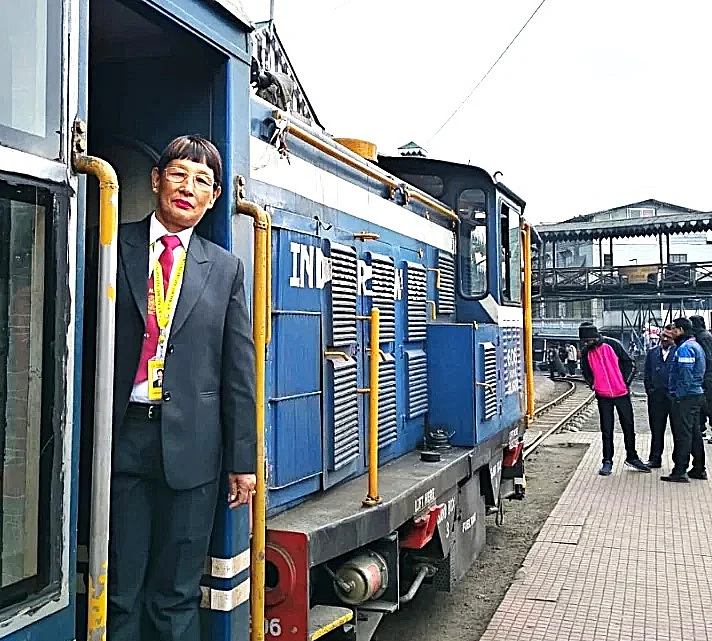

With more than three decades of experience behind her, Yolmo has now taken up duties on the Darjeeling Himalayan Railway. Indian Railways has been increasing the recruitment and deployment of women across operational roles, and Yolmo’s appointment reflects a broader institutional shift.
A UNESCO Heritage Railway
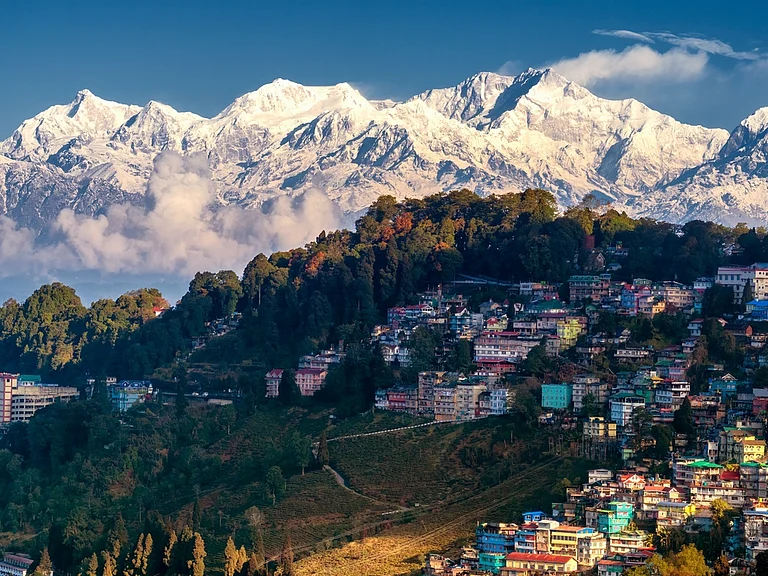
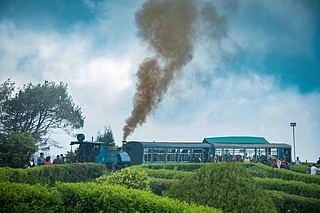
The Darjeeling Himalayan Railway, popularly known as the “Toy Train”, is a two-foot narrow-gauge railway in West Bengal connecting New Jalpaiguri to Darjeeling across 78 km of steep Himalayan terrain. Constructed between 1879 and 1881, it stands as a remarkable feat of early mountain railway engineering, using loops and zigzags to negotiate sharp gradients and dramatic elevation changes — from about 100 metres in the plains to over 2,200 metres in the hills.
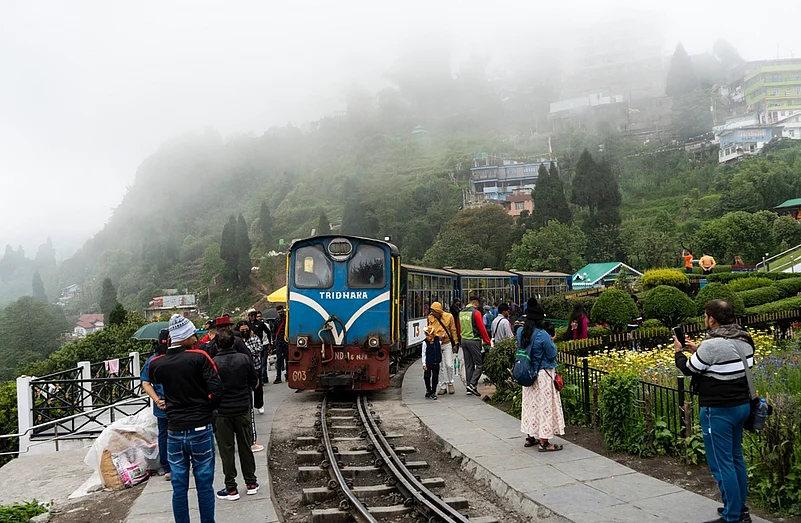
In 1999, it was inscribed as a UNESCO World Heritage Site, becoming the first hill railway in India and the first industrial heritage site in Asia to receive the distinction. It later formed part of the broader “Mountain Railways of India” listing alongside the Nilgiri Mountain Railway and Kalka-Shimla Railway.
"In the early days, for almost everyone living uphill, the DHR was the best way to travel to the plains. The only other option was a bullock cart that involved a much longer journey," said Anirban Dutta, the founder of Darjeeling Walks, a community travel organisation.
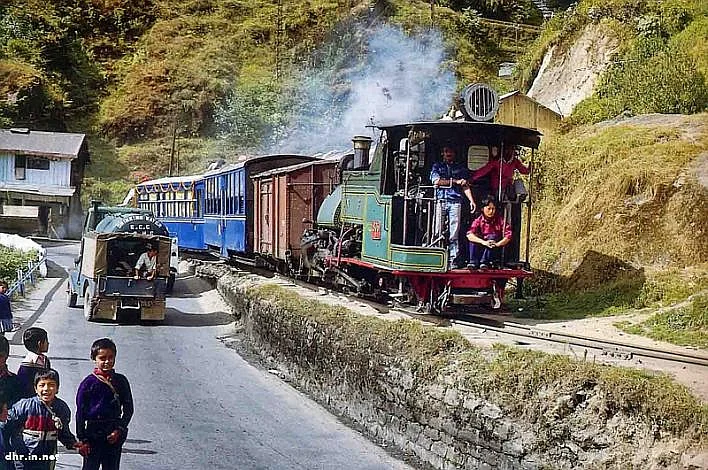
"It wasn't quite a 'toy train' back then; in 1910, the railway carried 1,74,000 passengers and 47,000 tonnes of goods in a year." Today, the journey offers a refreshing change to those who prefer to immerse themselves in the Darjeeling hills enjoying the many interesting experiences it offers. Read more about its history here.
Key facts
Opened: 1881
Gauge: 2 ft (610 mm) narrow gauge
Length: About 88 km (55 miles)
Highest point: Ghoom station, 2,258 m (7,407 ft)
UNESCO inscription: 1999 (Criteria ii, iv)
(With inputs from various sources.)
FAQs
What is the DHR?
The Darjeeling Himalayan Railway is a narrow-gauge heritage railway connecting New Jalpaiguri and Darjeeling, famously known as the “Toy Train.”
When was it constructed?
Between 1879 and 1881, making it one of India’s earliest hill railways.
Why is it a UNESCO World Heritage Site?
Recognised in 1999 for its innovative 19th-century engineering and historical significance as Asia’s first industrial heritage railway.
Who is the first woman TTE on the DHR?
Sarita Yolmo, with over three decades of service in Indian Railways, has been assigned tour duty on the heritage line.
What does her role involve?
Extended shifts in the hills, overnight stays, and managing the physical and logistical demands of the mountain route.
Why is her appointment significant?
Her posting represents a landmark step for women’s participation in operational and field roles within the Indian Railways.