The mountains around Bir Billing have long promised a particular kind of freedom—the slow lift-off, the quiet rush of air, the illusion of weightlessness suspended over the Kangra Valley. But on December 26, that promise faltered. What was meant to be a routine tandem paragliding flight at one of India’s most celebrated adventure destinations ended in tragedy, once again raising uncomfortable questions about safety, regulation, and accountability in the country’s adventure tourism sector.
An experienced paraglider pilot, accompanying a tourist on a tandem flight, lost his life shortly after take-off from the Billing launch site. The paraglider reportedly developed a technical malfunction moments after becoming airborne, lost balance mid-air, and crashed near the road below the launch point. The pilot, later identified as Mohan Singh, a resident of Barot in Mandi district, sustained critical injuries and died on the way to the hospital. The tourist flying with him was injured but is reported to be out of danger after receiving medical treatment.
Local residents and rescue teams reached the site quickly, underscoring how close the crash occurred to the launch area itself. A case has been registered, and authorities have begun an investigation to determine whether the accident stemmed from a technical failure, human error, or weather-related factors. Paragliding operations at Bir Billing were briefly suspended following the incident.
A Pattern Emerges
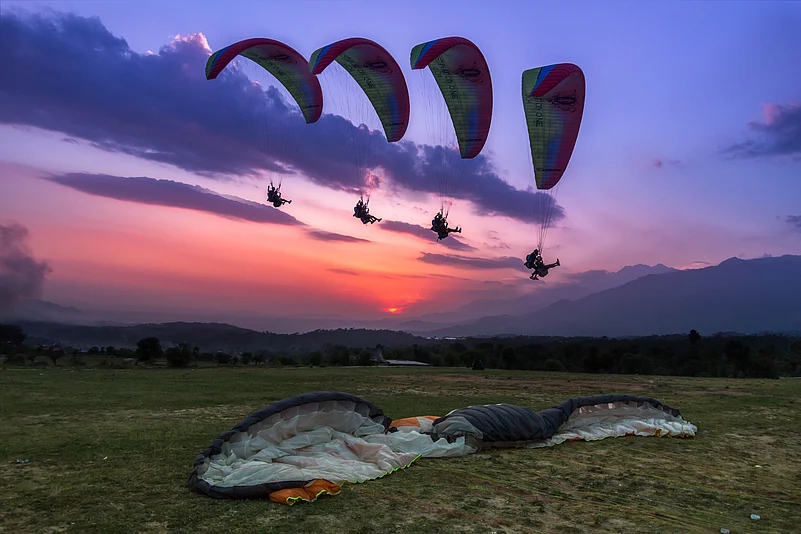

This was not an isolated incident. Bir Billing’s reputation as an international paragliding hub—host to global competitions and thousands of tourists each year—has, in recent times, been punctuated by a troubling series of accidents. Just last year, a 56-year-old woman paraglider from Noida lost her life shortly after take-off at the same site when her glider crashed into nearby hills. Earlier this year, Himachal Pradesh saw two more fatal paragliding incidents within days of each other—one involving a mid-air collision in Kullu’s Garsa Valley, and another where a teenager died after a canopy collapse during take-off in Dharamshala.
Each incident differs in circumstance, but together they sketch a pattern that is hard to ignore. Investigations repeatedly circle the same variables: equipment integrity, pilot training, weather assessment, operational timing, and enforcement of safety norms. In at least one case, flights were conducted beyond approved operational hours. In others, questions were raised about canopy condition, pre-flight checks, and pilot decision-making under marginal conditions.
For an activity that depends so intimately on precision, preparation, and restraint, paragliding leaves little room for complacency. And yet, complacency—often born from familiarity or commercial pressure—appears to be the silent undercurrent beneath many such tragedies.
Safety In Question
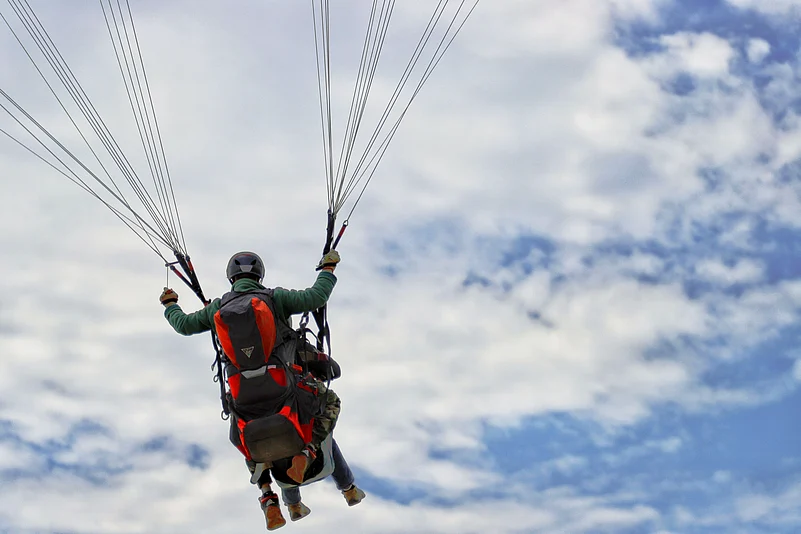
The mountains of Bir Billing have long promised the thrill of flight—but the events of December 26 remind us that this freedom comes with serious responsibility. Modern paragliders are more advanced than ever, but the risk of accidents often comes down to preparation, discipline, and awareness.
Right Gear First
Paragliding safety begins long before take-off, with the most basic but often overlooked decision: choosing the right equipment. Paragliders are not one-size-fits-all. Wings designed for professional pilots or cross-country flights behave very differently from those meant for beginners or tandem operations, demanding higher levels of skill, faster reaction time, and sharper judgment. Using equipment that does not match the pilot’s experience significantly increases risk, especially in challenging mountain conditions like those at Bir Billing. Beyond the wing itself, carrying essential safety instruments such as a variometer, GPS, and radio is crucial, allowing pilots to monitor altitude changes, track location, and communicate instantly in case of trouble.
Mandatory Pre-Flight Checks
Many paragliding accidents stem from mechanical oversights that could have been detected on the ground. A thorough pre-flight check of the entire kit is non-negotiable. Canopies must be inspected for tears or weakened fabric, lines checked for tangles or uneven tension, and harnesses secured correctly. Even minor negligence—twisted lines or improperly laid-out wings—can escalate into catastrophic failures moments after launch. In high-traffic sites like Bir Billing, where multiple flights operate daily, enforcing strict inspection protocols before every take-off is essential to prevent avoidable mishaps.
Weather Isn’t Optional
Paragliding is deeply dependent on weather, and understanding meteorological conditions is a core safety requirement, not an added skill. Wind speed, thermal activity, cloud development, and visibility can change rapidly in mountainous terrain. While experienced pilots may manage stronger conditions, beginners and tandem flights should avoid flying in high winds or unstable weather altogether. Many accidents occur not because conditions were extreme, but because they were misjudged. Treating weather checks as a continuous process—before and during the flight—can make the difference between a smooth glide and a dangerous descent.
Respect The Site
Every paragliding location comes with its own risks, and familiarity with the site is critical before launching. Pilots must assess launch slopes, landing zones, obstacles such as power lines or buildings, and the presence of rotor turbulence caused by terrain. Flying too low over populated areas or roads increases the severity of crashes and puts bystanders at risk. Proper site assessment also means ensuring adequate visibility and avoiding crowded airspace, especially during peak tourist seasons when pressure to fly can override caution.
Confidence Isn’t Immunity
One of the most common contributors to paragliding accidents is overconfidence. A few successful flights can lead pilots—especially newer ones—to lower their guard. Extreme sports do not reward complacency. Every flight, regardless of experience level, carries inherent risk and demands full adherence to safety procedures. Continuous training, regular skill assessments, and refresher courses help pilots remain alert and prepared for unexpected situations. Advanced training, such as simulation and collapse-recovery courses, can significantly improve a pilot’s response during emergencies.
Launch And Landing Discipline
Take-off and landing are statistically the most dangerous phases of paragliding. Failed launches can occur due to poor ground handling, incorrect wind alignment, or rushed decisions. Establishing clear stop points during launch, maintaining proper wind limits, and practising controlled ground handling are critical. Similarly, crash landings often result from poor approach planning or last-minute corrections. Maintaining multiple landing options, approaching into the wind, and executing proper flare timing can drastically reduce injury risk.
Training And Regulation Matter
Beyond individual responsibility, systemic safeguards are equally important. Strict pilot certification, routine audits of operators, enforcement of operational hours, and mandatory equipment inspections must be consistently applied. Recent accidents in Himachal Pradesh have highlighted gaps in enforcement rather than absence of rules. Strong regulation, combined with accountability for violations, is key to ensuring that adventure tourism does not come at the cost of lives.
FAQs
1. What happened in the recent Bir Billing paragliding accident?
An experienced pilot died after a tandem paragliding flight crashed shortly after take-off. The accompanying tourist was injured but is now out of danger.
2. What caused the Bir Billing crash?
Investigations are ongoing. Authorities are examining whether technical malfunction, pilot error, or weather conditions led to the accident.
3. How can paragliding accidents be prevented?
Accidents can be minimized by using the right equipment, performing thorough pre-flight checks, monitoring weather, assessing launch and landing sites, and following safety protocols.
4. What safety tips should paragliders follow?
Pilots and tourists should ensure proper gear, verify canopy and lines, carry essential instruments like GPS and radio, avoid flying in unstable weather, and never be overconfident, even after multiple successful flights.
5. Is paragliding at Bir Billing safe for tourists?
Bir Billing is globally renowned, but like all adventure sports, it carries risks. Following certified pilot guidance, safety protocols, and checking weather conditions are critical for a safe experience.